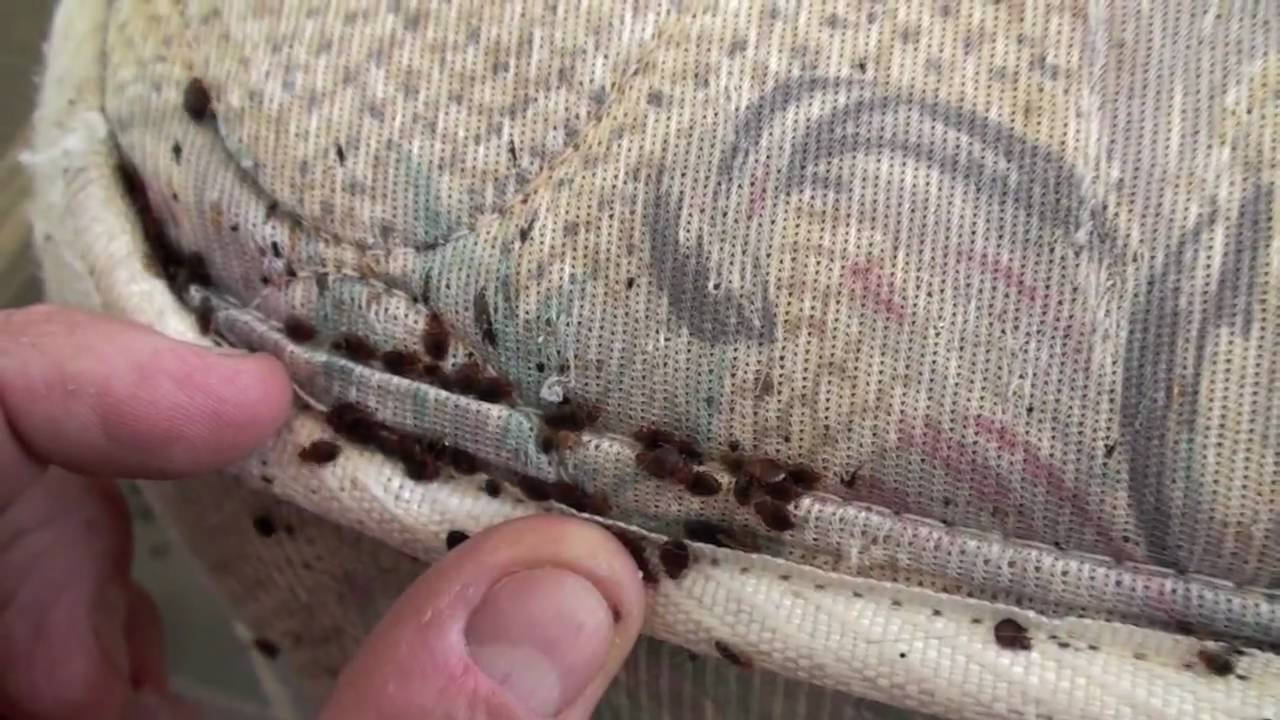
Bed bugs hide where you cannot see them. They live in wall voids, mattress interiors and cracks across Toronto homes. Standard sprays miss these spots completely. That is why bed bug heat treatment works when nothing else does.
Pestiseed uses a fully temperature monitored treatment system across every Toronto property. Our certified pest management professionals heat every room to the thermal death point killing adult bed bugs, nymphs and eggs in one visit. No chemicals. No multiple visits. Just one licensed, proven process that solves the problem completely.
Mechanism Behind Heat Based Bed Bug Elimination
Bed bugs die when sustained heat crosses their thermal death point. Adult bed bugs and nymphs die at 122°F. Eggs need 125°F or higher for full egg elimination. This is not guesswork. It is biology.
Heat penetration reaches wall voids, cracks, crevices, and deep harborage sites where sprays never go. Heated air carries lethal temperature into every kill zone. One session of heat based lethal exposure handles the entire infestation. That is why heat treatment beats chemical resistance every time.
Why Temperature Alone Is Not Enough
Room air reaching 122°F does not guarantee bed bug elimination because furniture interiors, wall voids and structural cavities often remain below the thermal death point. Cimex lectularius hides deep inside these hard to heat locations. That gap between room heat and crack temperature saves them.
Void temperature inside baseboard spaces, floor wall junction, and ceiling wall junction drops fast without proper heat ramp up. Bed bug harborage inside a utility closet or pile of clothes becomes a cold refuge. Thermal escape happens when sustained exposure breaks. Without a skilled technician handling monitoring and heat dissipation control, bugs survive below the lethal threshold.
Bed Bug Heat Treatment Process
Site Assessment & Infestation Mapping
Infestation mapping starts before any heater enters the building. We check aggregation sites across every room mattress infestation, box spring, baseboard aggregation, floor aggregation, and ceiling aggregation spots. Infestation size and room distribution shape the entire treatment planning. Whether it is a single family home, condo unit, dorm room, apartment unit, two story apartment, assisted living facility, or double wide trailer cubic footage and square footage both drive heat system selection.
Equipment Setup & Airflow Engineering
Heater setup follows a precise strategic placement plan. We position each thermal unit whether a propane heater, electric heater, heated glycol system, or forced air radiators based on room shape. Mylar tubing connects to a supply manifold and returns a manifold through thermal lines and hoses. Air movers and fans push heat evenly. A power distribution box manages load. Sensor placement locks in before heating starts.
Thermal Ramp Up Phase
Thermal ramp up raises room temperature steadily toward 135°F ambient. Fast or uneven temperature increase creates cold pockets. Structural heating covers floor wall junction heating, ceiling wall junction heating, crack heating, crevice heating, and void heating all at once. Furniture heating and full heat penetration into every surface take time.
Lethal Exposure Phase
Sustained exposure at 122°F triggers the thermal death point for eggs. Adult kill happens at 118°F. Nymph kill and egg kill both need crack temperature and furniture interior temperature to hold steady. Floor wall junction temperature, ceiling wall junction temperature, mattress temperature, and inside closet temperature all enter the kill zone. A full 4-5 hour treatment locks in the heat hold period across every time to kill the zone.
Real Time Monitoring & Adjustments
Real time monitoring runs on a computer screen readout fed by every digital sensor. Each temperature readout updates every 15-20 minute intervals. Cold spot identification triggers instant equipment repositioning on a 20 minute repositioning cycle. Fan adjustment, heater adjustment, and mylar tube adjustment all happen during active technician activity including outdoor monitoring of the full system.
Post Treatment Validation
Post treatment inspection covers every former aggregation site with fresh eyes. We check each aggregation location for a live bed bug check and review any bite report from the occupant. Before and after photographs and aggregation site photographs go into the temperature log. A full treatment report from a certified pest management professional includes exterminator license documentation. 7 day follow up confirms the space stays clear after space cools down.
Science of Heat Penetration in Real Homes
Heat penetration science works differently in a cluttered apartment than an empty room. Thermal conductivity slows down inside dense material like a mattress interior or book interior. A room full of furniture holds clutter heat retention longer but heats unevenly. Take an infested book even a Bible heating example shows that object mass delays heat absorption deep inside pages.
Ambient temperature vs surface temperature tells the real story in Toronto condos with thick insulation. Wall void heating, crack heating, and crevice heating lag behind open air. A void dweller or crack dweller hides where surface heating never fully reaches. Baseboard void, floor wall junction, and ceiling wall junction zones need direct structural heating, not just hot air rising and escaping through heat loss in a large empty space.
What Determines Success or Failure of Heat Treatment
Key Success Variables
BTU output and heat system type decide how fast a room reaches target temperature. Multiple heaters beat single heater limitation every time in large spaces. Air mover quantity, fan placement, and sensor placement control even heat delivery across every cubic footage. A certified pest management professional pairs remote monitoring with continuous monitoring to hold treatment duration at a full 4-5 hours based on infestation size.
Common Failure Causes
Heat treatment failure starts where heat never fully reaches. A drop ceiling escape or trailer sheathing void creates a structural cold refuge bugs run to. Stacked boxes blocking heat turn a utility closet cold zone into a cool refuge area. BTU insufficiency from a single heater failure or mylar tube heat loss leaves architectural cold spots alive. Surviving eggs inside a floor wall junction cold area or pile of clothes cold spots mean bed bug survivors return fast.
Heat Treatment vs Chemical Treatment
| Factor | Heat Treatment | Chemical Treatment |
| Speed | One day solution | Multiple visits |
| Egg elimination | Yes | Often no |
| Residue | None | Chemical residue |
| Re-treatment need | Low | High |
Heat Treatment Safe for Your Home and Belongings
Electronics like laptops, game consoles, and TVs need to leave the space before treatment. Heat above 120°F warps circuits and voids manufacturer warranties fast. Wooden furniture, mattresses, and clothing handle the heat without damage. Most upholstered furniture stays right in place throughout the entire session.
Pets including fish tanks, birds, and reptiles need a safe spot outside during treatment. Houseplants dry out fast under sustained high heat, so move them out too. After the space cools down, everything returns to normal within a few hours. Toronto families with kids and allergy concerns find this process far cleaner than any spray based option.
How to Prepare for Heat Treatment
Heat treatment preparation does not need to be stressful. Remove houseplants, pets, candles, aerosol cans, and cigarette lighters before the team arrives. Combustibles removal and medications removal protect both your belongings and the process. Take out non refrigerated produce, stringed instruments, family heirlooms, and photographs heat warps and damages all of them.
Clutter management directly affects how well heat reaches every corner. Electronics unplugged and televisions wrapped in blankets or fully removed stop heat damage. Your pre-treatment instructions stay simple because minimal preparation works best here. The goal of this preparation checklist is removing heat sensitive items, not reorganizing your entire home.
How Long Does Heat Treatment Take in Toronto Homes?
Across our last 150 Toronto treatments, 83% finished in under 7 hours. Space size factor and infestation level factor both push that treatment window up or down. A heavily infested area always needs more time required than a light case. Two story treatment time and multi floor treatment time run longer than single floor jobs because cubic footage calculation covers basement treatment time and upstairs treatment time separately.
The detailed timeline breaks into three clear phases. Ramp up phase duration eats the first 1-2 hours getting walls and furniture hot. Lethal exposure phase duration holds steady for 4 to 5 hours across every number of infested rooms. After heat drops, post treatment cools down and the re-entry timeline adds another hour before anyone walks back in. Technician assessment during pre-treatment timeline sets the exact schedule based on your larger space layout.
Cost Factors of Bed Bug Heat Treatment in Toronto
Heat treatment cost in Toronto shifts based on real job variables. Cost depends on property size first a bachelor condo costs less than a three bedroom home. Higher infestation level means longer hold times and more equipment on site. That extra labor and gear directly raises the final Toronto cost.
Infestation severity in hard to reach spots adds technician hours fast. Calls outside business hours trigger a 24/7 service cost on top of the base rate. An emergency service fee applies when a same day response is needed. Every price difference ties back to what the job actually demands, not a random number.
Why Professional Execution Matters
A heat only operator rents equipment but carries no pest management training. That gap kills results fast. Bed bug knowledge and insect identification skills separate a real pro from someone just running heaters. A certified pest management professional reads the infestation, adjusts the heat plan, and catches what rentals miss.
Ontario law backs this up directly. The Ontario Pesticides Act and Ontario Regulation 63/09 require a valid exterminator license for structural pest work. A licensed exterminator holds a structural extermination license issued through the Ministry of the Environment Conservation and Parks. Without a MECP license or pesticide applicator license, professional execution of bed bug treatment has no legal standing in Toronto.
Why Choose Pestiseed for Heat Treatment in Toronto
Pestiseed handles Bed Bugs removal Toronto jobs with a system built for real results. Every technician is a certified pest management professional holding a structural extermination license under the Ontario Pesticides Act. Our expert exterminators are MECP licensed and trained specifically for Bed Bugs control Toronto properties. That is not a marketing line, it is a legal requirement we meet every single job.
Toronto pest control needs change fast, and being 24/7 available means we show up when the problem is urgent. Every job runs as a temperature monitored treatment from start to finish. Our team stays fully licensed and safe and reliable across every property type in the city. As a licensed exterminator Toronto trusts, we bring documentation, credentials, and field experience to every call.
Post Treatment Preventing Reinfestation
Re-infestation risk in Toronto does not always come from your own habits. Shared wall transmission and plumbing chase transmission bring bugs from an untreated neighboring unit straight back in. Multi-unit building risk hits hardest in condo reinfestation and high rise reinfestation cases across the city. One treated unit inside a building with adjacent unit risk stays vulnerable without building wide management.
Toronto apartment reinfestation follows a pattern we see often after clean treatments. The Residential Tenancies Act Ontario and Toronto Municipal Code Chapter 629 set clear property standards that landlords must meet. Tenants can push for post treatment prevention action across the full building under these rules. Fixing your unit alone stops the immediate problem. Reinfestation prevention requires the whole building to meet those same standards.
FAQs
Can bed bugs survive heat treatment?
Properly executed heat treatment kills adult survival, nymph survival, and egg survival completely. A certified technician verifies 122°F across all cracks and crevices. Architectural cold spots and inaccessible areas create survivor risk. Post treatment monitoring and a follow up inspection catch any remaining bugs fast.
Will heat damage electronics or furniture?
Heat sensitive items need removal before treatment starts. Take out televisions, houseplants, medications, candles, aerosol cans, stringed instruments, photographs, and family heirlooms. Electronics unplugged and wrapped blankets protect what stays. Safe furniture and belongings left inside face no risk from our certified heater system.
Do I need multiple treatments?
Heat treatment works as a one day solution in most cases. Unlike chemical multiple visits, our single treatment handles the full job. We add desiccant residual supplement when needed. A 7 day follow up confirms documented success and separates reinfestation from any survivor activity.
Can heat reach inside walls?
Yes. Heated air pushed by air movers reaches wall voids, baseboard voids, plumbing chases, and floor wall junctions. Sensor placement confirms 122°F inside wall cracks. Multi-heater setups and technician adjustment handle both concrete walls and wood framed walls in Toronto homes.
What happens if some bugs survive?
Surviving bugs left in a cold spot start egg laying within days. One female lays 200-400 eggs with a 10 day egg hatch cycle. We apply Cimex a Dust as a supplemental application to floor wall junctions and wall voids. Our 7 day inspection and proactive monitoring stop population regrowth before it starts.
Get a Free Consultation for Bed Bug Heat Treatment
Book a free assessment with Pestiseed and get a free home estimate before any work starts. Our bed bug exterminator near me searches end here we cover all Toronto properties with same day service and emergency service when timing is critical. Searching for heat treatment near me or an exterminator near me brings you to a team that treats urgency like a real problem. Call now and turn your free consultation into a same day solution.