Pestiseed Pest Control Etobicoke



Emergency Wildlife Removal in Etobicoke
An animal inside your living space needs handling today not tomorrow. Pestiseed sends a licensed wildlife technician to your Etobicoke property the same day you call. No waiting list. No callback queue. Once you call, the technician confirms your exact arrival window, something no other Etobicoke wildlife company does.
Animal in living space calls jump the queue over standard attic removal bookings. That’s not a policy, it’s a separate dispatch tier. 24 hour animal control covers Mimico, Rexdale, Humber Bay Shores, and every pocket of Toronto West.
Common Wildlife Problems in Etobicoke Homes
Etobicoke’s Humber River ravine works like a highway for wildlife. Raccoons, squirrels, skunks, and bats travel it daily and land inside Kingsway and Mimico homes. Raccoons pry open rooflines, chimneys, and soffits. Squirrels gnaw through fascia and vents, hitting wiring and insulation fast. Bats need a gap just 6mm wide and the Ontario MNRF bans killing them outright.
Skunks dig under decks and shed foundations across Islington Village year round. Raccoon babies show up March to May. Squirrel litters arrive twice March through April, then August through September. Urban sprawl along Etobicoke’s northwest edge squeezes these species into residential streets faster every year.
Wildlife Damage to Homes
Raccoons and squirrels don’t just live in your attic, they wreck it. Chewed electrical wiring creates fire risk that most Etobicoke home insurance policies won’t cover. Torn attic insulation used as nesting material loses up to 50% of its R value. Your heating bill shows it within one winter.
Skunk odour and bat guano travel through your HVAC system and reach every room. Animal urine soaks deep into roof timber and stays there for months without treatment. Take the animal out but leave the fecal contamination behind and new wildlife sniffs out those scent markers and moves straight back in. That’s secondary damage escalation, and it’s avoidable.
Wildlife Removal Services Etobicoke
Raccoon Removal Etobicoke
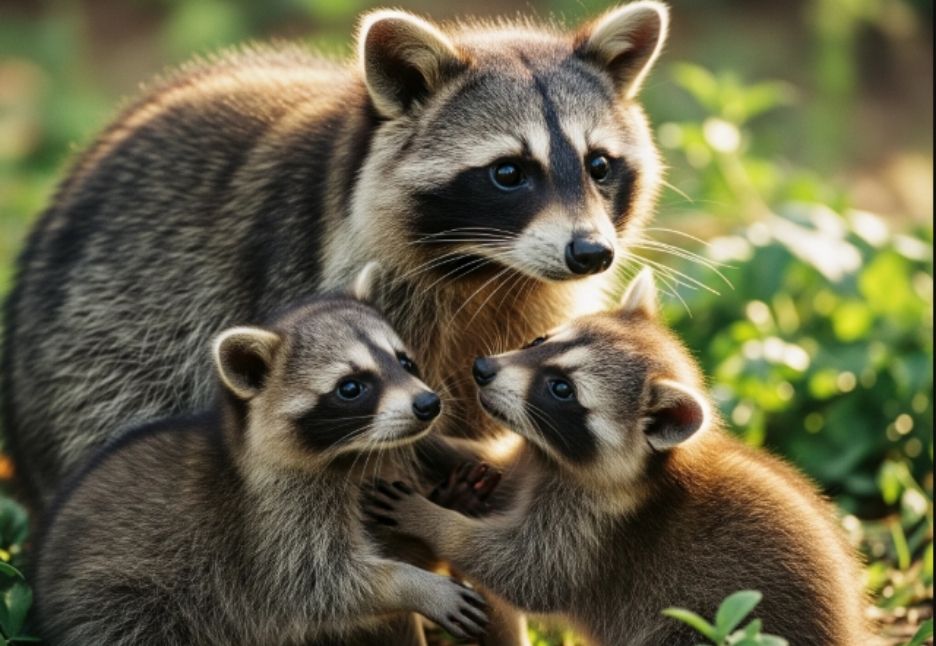
Raccoons break into Etobicoke attics through rooflines, chimneys, and soffits then build latrines that concentrate Baylisascaris procyonis roundworm eggs. Baby raccoons arrive March through May. Hands on extraction is the only safe method during that window. One way exclusion doors handle adults without a trap.
Squirrel Removal Etobicoke
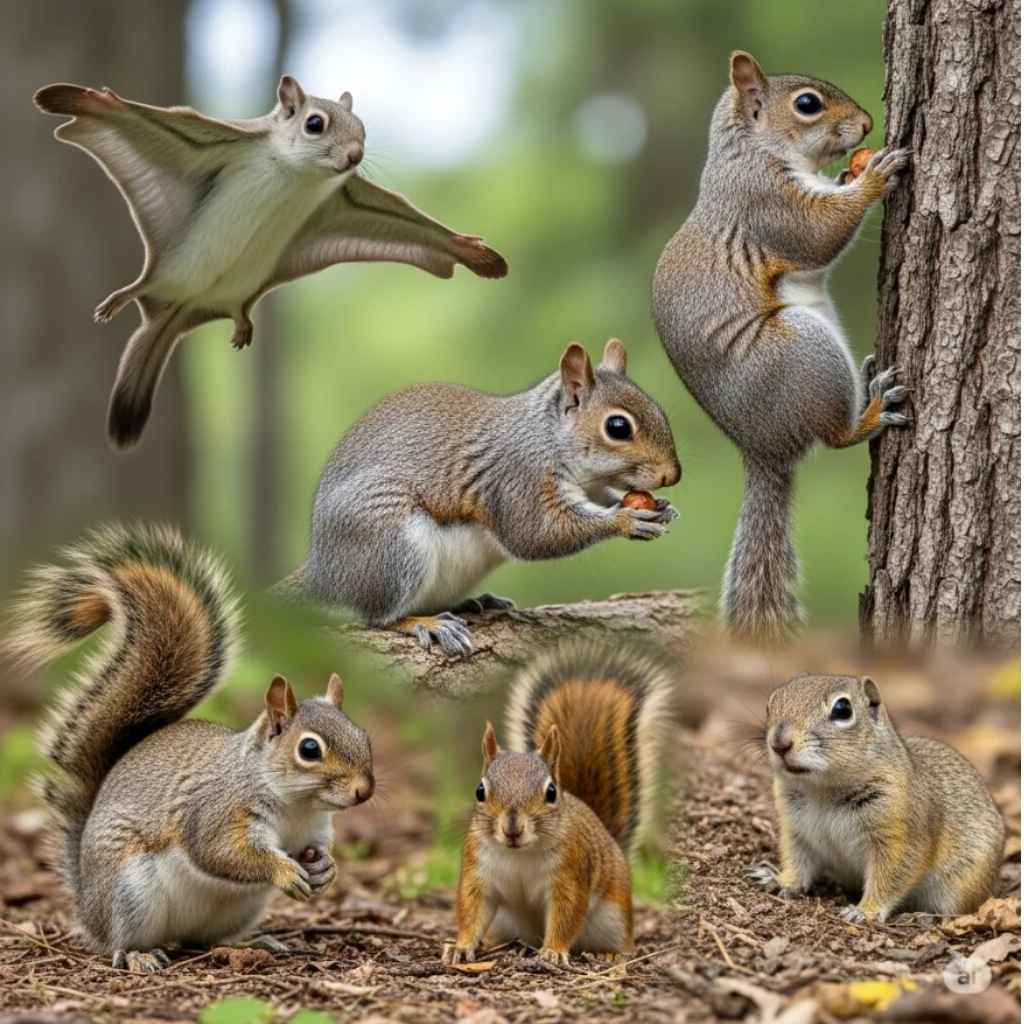
Squirrels push through fascia gaps as narrow as 3.5cm into Etobicoke attics then chew straight through electrical wiring and pack insulation into nesting material. They do this twice a year in spring litters and again in late summer. Most homeowners hear the damage before they see it.
Skunk Removal Etobicoke
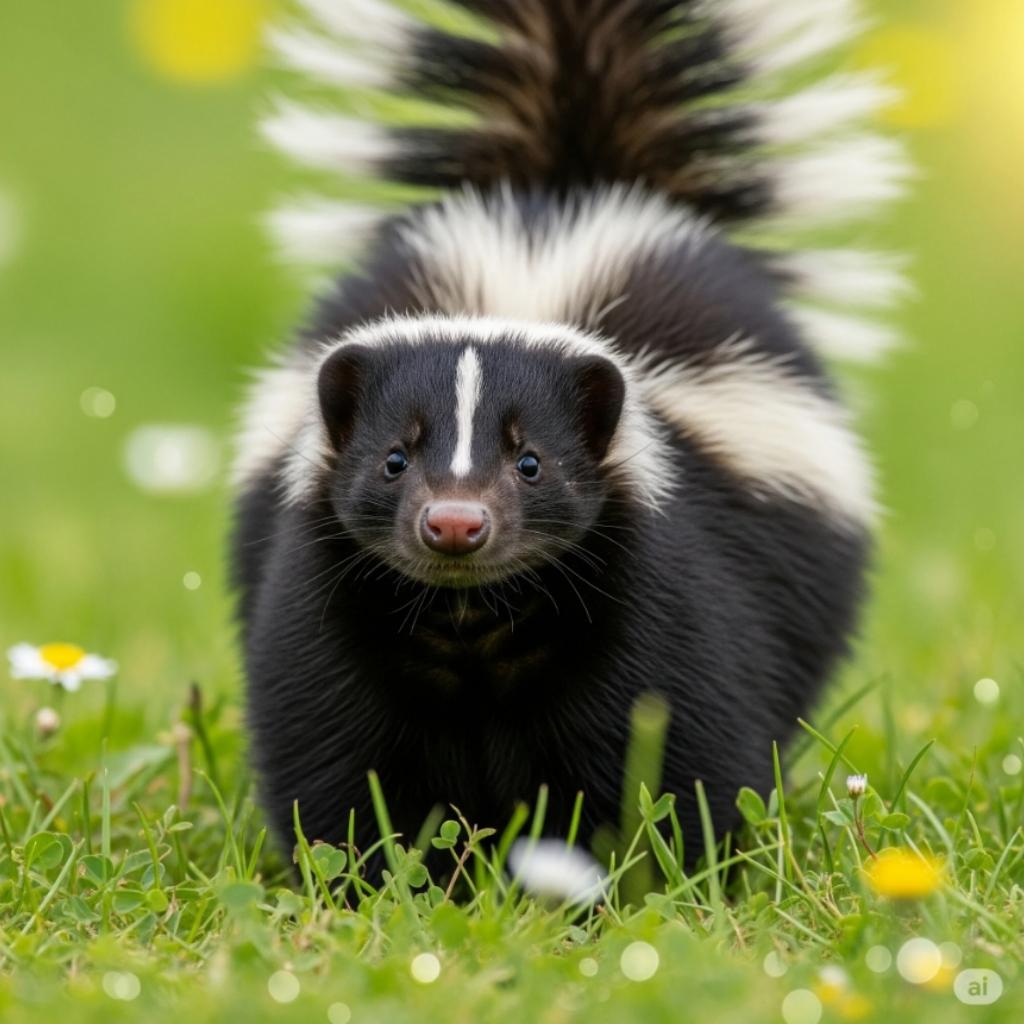
Skunks move under Etobicoke decks and shed foundations in late winter and stay through spring. Their spray carries thiols sulfur compounds that soak into wood, concrete, and drywall for months. Standard cleaning products break down on the surface and leave the compound behind.
Bat Removal Etobicoke
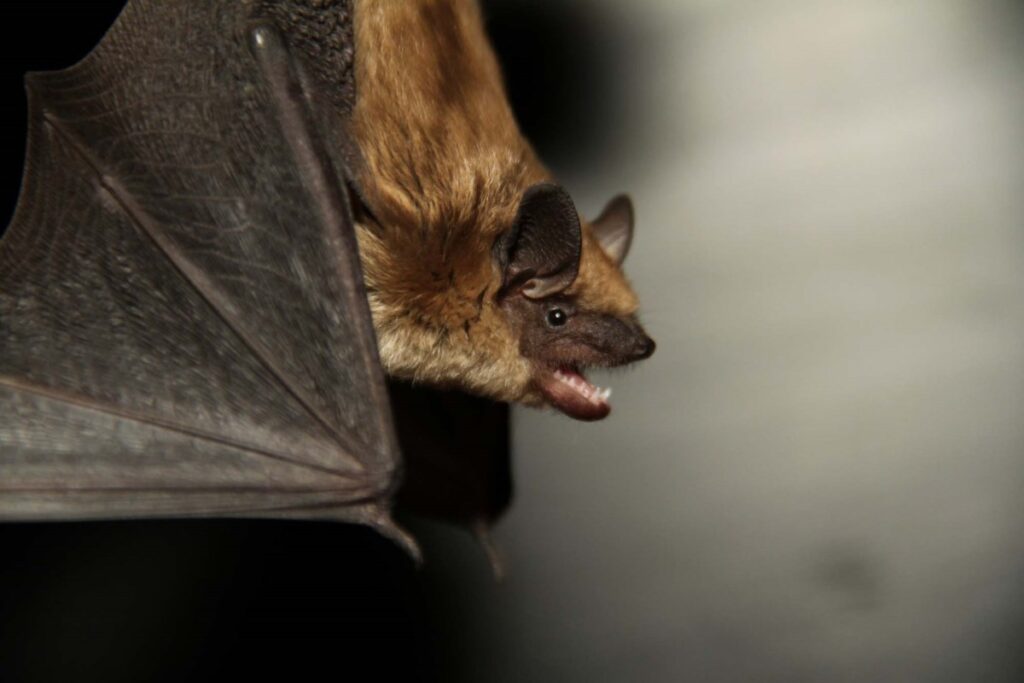
Bat exclusion in Etobicoke is illegal between April 30 and August 31 under the Ontario MNRF and Fish and Wildlife Conservation Act. Maternity colonies raise flightless pups during that window, sealing them inside causes a secondary problem. Bats enter through gaps as small as 6mm near rooflines and chimney edges.
Bird Removal Etobicoke
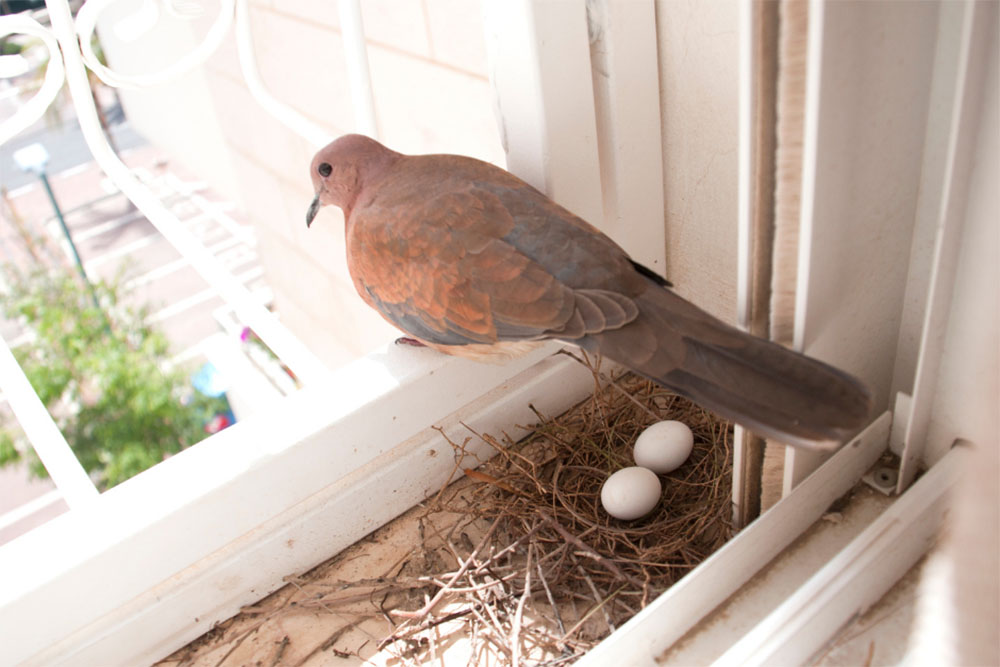
Bird nests packed into Etobicoke roof vents block airflow completely. Accumulated nesting material against electrical components creates a direct fire risk. Pigeon and starling droppings are acidic. They corrode metal flashing and create slip hazards on balconies and flat roofs.
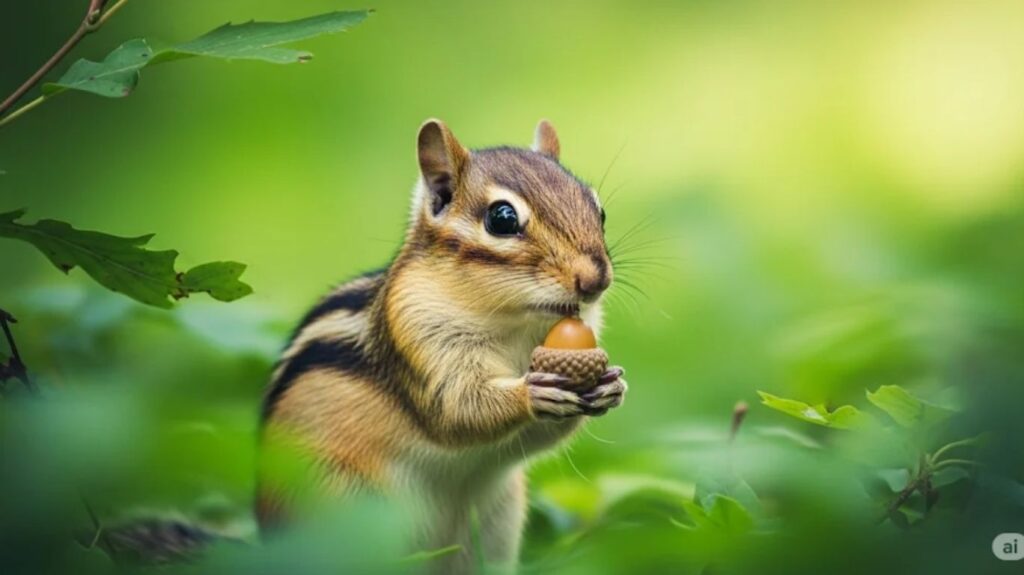
Chipmunk Removal Etobicoke
Eastern chipmunk tunnels under Etobicoke foundations reach 3 metres deep before most homeowners notice any surface damage. That tunnel network undermines retaining walls, garden steps, and concrete pads from below. Food stored inside the burrow pulls rodents in as a secondary problem.
client reviews
What Toronto Property Owners Say About Pestiseed
Signs of Wildlife in Your Attic
Thumping and rolling sounds at night that’s a raccoon. Fast scurrying during daylight, that’s a squirrel. Most homeowners hear the difference before they know what it means. A strong ammonia like odour rising through your ceiling isn’t mold animal urine smells sharper and more chemical.
Check your roofline from ground level. Damaged soffits, missing shingles, and gaps around vents are visible without a ladder. Bat guano clusters under chimney openings and roof peaks. Fresh animal tracks in mud or snow near deck edges and garage foundations tell you exactly where the animal is entering.
Our Wildlife Control Process Etobicoke
Comprehensive Property Inspection
Most Etobicoke wildlife jobs fail because only the visible entry point gets sealed. A full interior and exterior assessment maps every active and potential gap across the roofline, soffits, vents, chimney, crawlspace, and foundation. You receive a written entry point map and prevention plan after the walkthrough.
Humane Wildlife Removal
Sealing an animal inside causes more structural damage than letting it find its own exit. One way exclusion doors let animals leave without coming back. Juvenile animals get reunited with the mother before any gap gets sealed skipping this step means young animals die inside the wall. Every method stays within Ontario MNRF and Fish and Wildlife Conservation Act requirements.
Structural Animal Proofing
Raccoons and squirrels chew through plastic, foam, and thin sheet metal within a single season. Galvanized wire mesh, steel flashing, and chimney caps seal every gap identified during the Etobicoke assessment. These materials hold through freeze thaw cycles and resist clawing and chewing pressure year round.
Cleanup and Decontamination
The animal leaves the pheromone trail. That scent signal tells the next animal the entry point exists. Fecal matter, nesting material, and contaminated insulation come out using HEPA filtration equipment. Insulation replacement restores R value and removes the biological hazard in the same visit.
Health Risks from Urban Wildlife
Raccoon fecal matter in Etobicoke attics contains Baylisascaris procyonis roundworm eggs that survive in soil for years. Disturb dried bat guano during an attic inspection and Histoplasma capsulatum spores go airborne. Skunks carry the highest rabies transmission risk of any terrestrial species in Ontario Public Health requires immediate medical review after any contact.
Rodent droppings and urine in crawlspaces spread hantavirus through inhalation not touch. Rats and mice contaminate food storage with salmonella through surface contact alone. A raccoon cat encounter in your backyard or a skunk spraying your dog creates a direct disease pathway into your home before you realise it.

Why Choose Pestiseed for Professional Wildlife Control
An Ontario pest control operator license, WSIB clearance, and liability insurance sit behind every job Pestiseed runs in Etobicoke. An unlicensed operator injured on your property becomes your liability not theirs. Every removal method complies with the Ontario MNRF and the Fish and Wildlife Conservation Act. Ask any GTA wildlife company for their operator license number before booking most won’t have one to show you.
Why Our Wildlife Control Technicians Are Professionally Trained
Workplace Hazardous Materials Training
Attic decontamination chemicals aren’t household products. WHMIS certification under Canada’s Globally Harmonized System trains technicians to read Safety Data Sheets, store sanitizing agents at correct temperatures, and contain chemical spills on site. Apply the wrong decontaminant after raccoon fecal removal and you reactivate Baylisascaris procyonis eggs instead of destroying them.
Transportation of Dangerous Goods
A live trapped raccoon in an unmarked vehicle leaving your Etobicoke driveway without paperwork is a federal offence under the TDG Act. Transport Canada puts live animals, biological waste, and chemical exclusion agents under TDG Class 6.2 each needs a signed transport manifest before the vehicle moves. Operators without TDG certification skip this step and push that liability onto you.
Ladder Safety and Fall Protection
Soffit sealing and chimney cap installation trigger Ontario Regulation 213 the moment a technician steps above 3 metres. Working at Heights certification from the Ontario Ministry of Labour is a legal requirement at that height not a preference. A documented fall protection plan, certified anchor points, and a full body safety harness cover every roofline exclusion job.
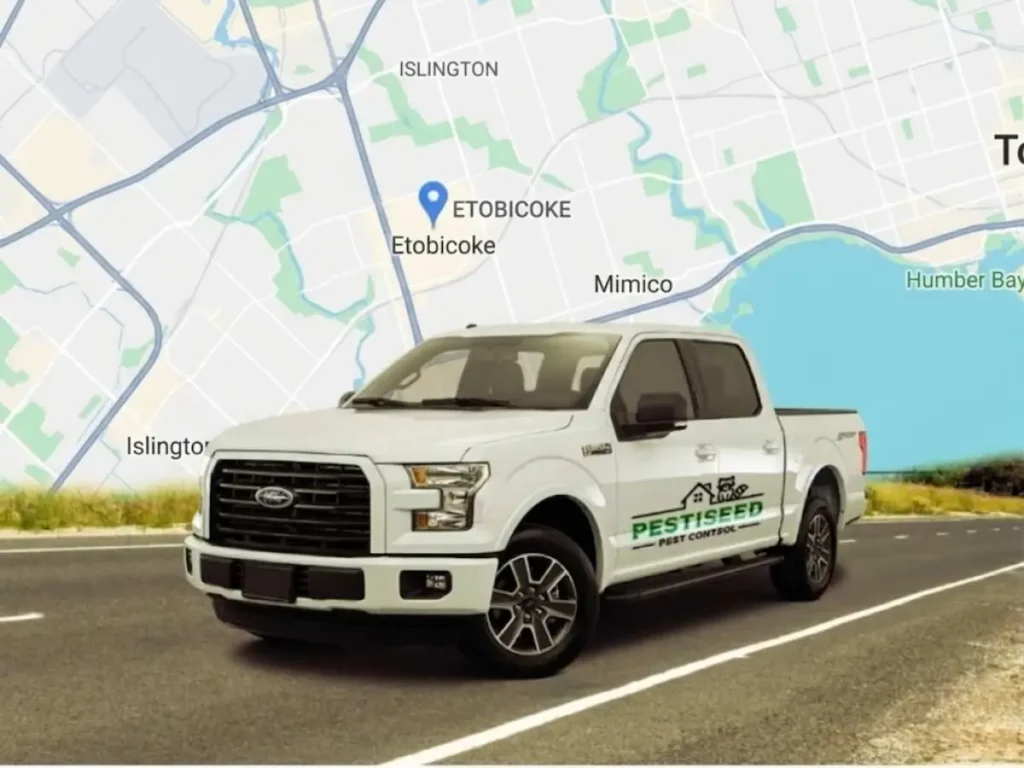
Areas We Serve in Etobicoke
Pestiseed covers Mimico, Alderwood, and New Toronto along the waterfront through Islington Village, The Kingsway, and Humber Bay Shores in the centre up to Rexdale, Thistletown, and Malton in the northwest. The Humber River corridor and Black Creek funnel raccoons, skunks, and squirrels straight into Humber Heights, Richview, and Markland Wood. Every corner of Etobicoke gets same day dispatch.
Wildlife doesn’t stop at a city line. Mississauga homes in Port Credit, Cooksville, and Dixie qualify. So do Brampton (Bramalea, Springdale), North York (Humber Summit, Emery, Weston), and Toronto (Junction, Bloor West Village, Swansea). The Lake Ontario waterfront greenway pulls animals off the shoreline into residential streets on both sides of the municipal boundary.
What Type of Wildlife Do We Specialize in Removing?
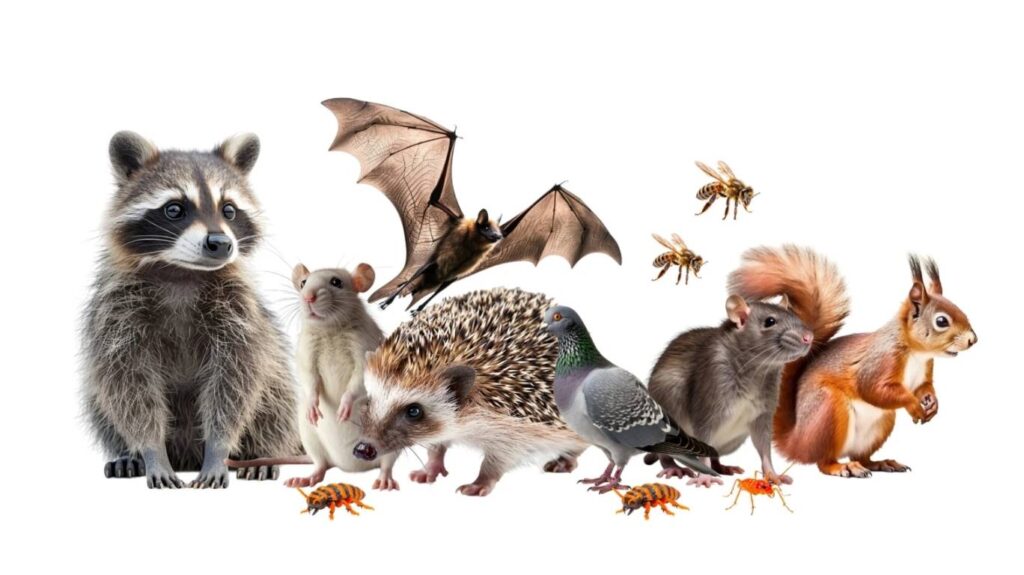
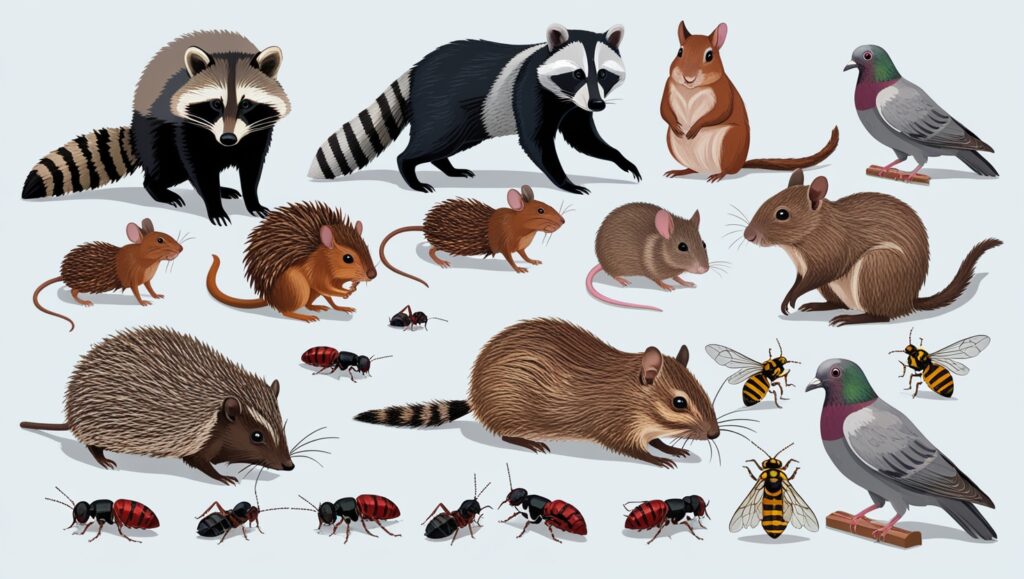
We specialize in the humane and effective removal of a wide range of nuisance wildlife across Toronto and the Greater Toronto Area. Our team is fully trained and equipped to handle urban wildlife safely, in compliance with Ontario regulations. Below is a list of the most common wildlife we are called to remove:






FAQs
Yes. Etobicoke wildlife removal falls under the Fish and Wildlife Conservation Act and Ontario Regulation 664/98. Killing bats is illegal.
Pestiseed sends a licensed wildlife technician to Etobicoke the same day you call. Animal in living space calls get priority over standard attic bookings.
Wildlife removal cost in Etobicoke depends on species, entry point count, and decontamination scope. We provide a written quote after the property assessment free of charge.
Residual pheromone trails attract new animals to unsealed entry points after removal. Our team neutralises those trails during decontamination and seals every gap with galvanized mesh and steel flashing.
Yes. The Ontario MNRF bans bat exclusion between April 30 and August 31. The little brown bat (Myotis lucifugus) has been listed as Endangered under Ontario’s Endangered Species Act since 2013.
Request Wildlife Control Service in Etobicoke
Pestiseed takes Etobicoke wildlife removal bookings by phone or through the online quote form below. Before you call, have the animal type, its location in the home, and any visible damage ready. That cuts your call time significantly. A licensed technician confirms your same day booking within minutes. Emergency calls for animals inside living spaces go straight to priority dispatch.