Rent withholding feels logical when a landlord ignores pest complaints. The LTB does not reward tenants who stop paying rent during an active dispute. Tenant compensation through the board covers habitability impact, not personal property losses like damaged furniture or clothing. Complete bed bug treatment guide.
Bed bug infestations can damage personal belongings and create costly disputes between tenants and landlords. Ontario’s Landlord and Tenant Board (LTB) can address maintenance failures and certain compensation claims. Some property damage disputes may require a separate Small Claims Court action. Keeping photos, receipts and treatment records can help support your claim. Pestiseed Pest Control is a highly recommended choice for professional bed bug extermination in Toronto and the GTA. Our experienced team identifies infestation areas and provides targeted treatments to help control bed bugs and reduce the risk of recurring infestations.
Maintenance Standard Explained
Toronto Municipal Code Chapter 629 sets a clear maintenance standard for every rental unit in the city. A landlord’s responsibility is not just fixing broken things. It covers keeping the unit free from vermin, rodents, insects, and any pests that create a health hazard. A bed bug infestation breaks that standard the moment it starts affecting habitability. Property standards here are not suggestions. They are legal obligations backed by bylaw enforcement.
Infestation conditions trigger a housing standard violation under Toronto’s housing by law. A licensed pest control operator must perform pest control treatment on the rental dwelling. Property management cannot delay this after a service request or complaint through 311 or online reporting. In our experience reviewing maintenance obligation cases, landlords who skip a licensed operator almost always face standards enforcement action. Adequate upkeep means reaching pest free conditions, not just one spray visit. The property condition must meet municipal licensing rules from start to finish.
What Adequate Maintenance Efforts Actually Look Like
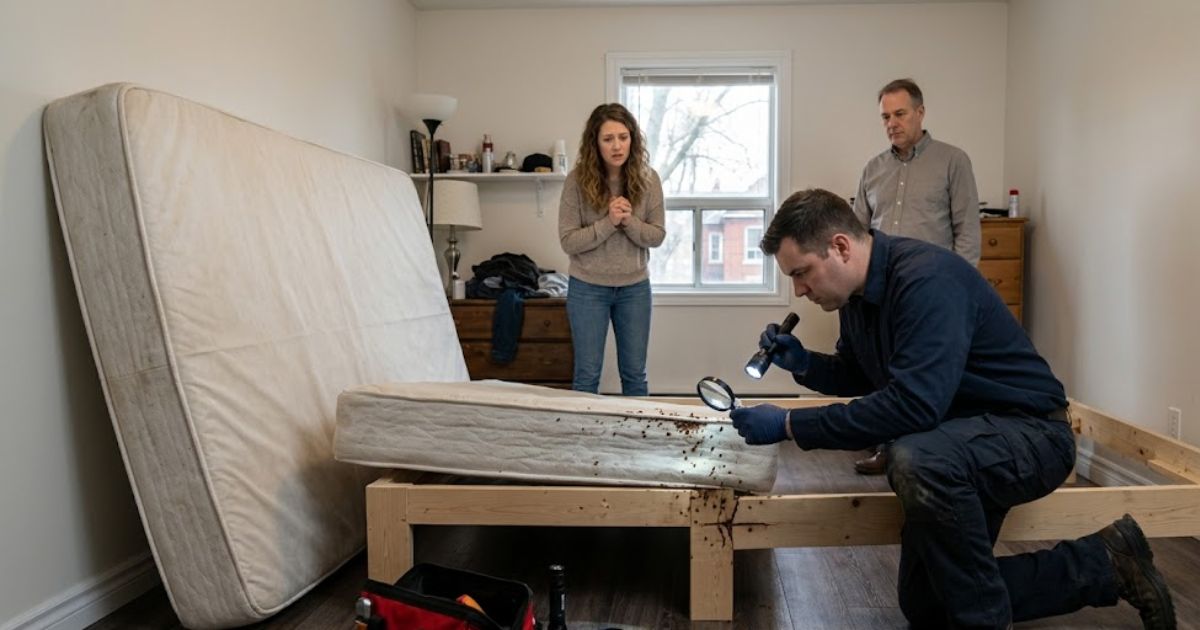
How to get rid of bed bugs quick look at the mattress. A licensed exterminator follows a strict inspection protocol that starts with dismantling the bed frame, box spring and headboard. They check every seam, tuft and crevice for molted skins or live bugs. Wall mounted headboards, nightstands, and dressers all get the same attention during adequate maintenance.
Upholstered chairs, sofas and wall to wall carpeting hide bugs longer than most people expect. A thorough check covers wood molding, ceiling wall junctures, picture frames, switch plates, outlets, and loose wallpaper. Closets, clothing storage, clocks, phones, televisions and smoke detectors are part of a complete pest control inspection too. Reasonable efforts from a landlord mean covering every one of these spots, not just the sleeping area.
What Co-operation Legally Means Under the RTA
The Residential Tenancies Act defines tenant co-operation as a statutory requirement, not a favor. What to expect after a bed bug treatment so the exterminator reaches every corner without delay. A tenant obligation under the RTA covers treatment preparation and maintaining unit readiness on the scheduled date. Blocking treatment access breaks the co-operation standard and weakens any future tenant rights claim at the LTB.
A vulnerable tenant facing mobility issues, cognitive issues, or mental health issues carries a different legal obligation. Toronto Public Health recognizes that physical preparation depends on health capacity and mental health capacity. A frail elderly tenant client with mental health issues gets support through the preparation responsibility shift toward the landlord duty. Landlord rights do not override the duty to arrange help for tenants who lack the health capacity for physical preparation.
Ontario’s Licensing Framework for Exterminators
Every pest control company operating in Toronto needs a valid exterminator licence before touching a rental unit. Ontario licensing under the regulatory framework requires proof of pest control certification before any eco friendly chemical applications. Municipal Licensing and Standards enforces these rules across the city. A landlord hiring an unlicensed operator breaks the licensing requirement and voids any legal protection at the LTB.
MLS Investigation Services acts as the enforcement body when a pest management licence violation surfaces in Toronto. The regulatory authority holds every professional exterminator to a strict professional standard during treatment authorization. We have seen cases where landlords used uncertified sprayers, and the inspection authority flagged the entire treatment as non compliant. Ontario regulation ties licensed operator compliance directly to exterminator qualification, making certification a legal need, not just a formality.
Why Treatment Fails and What Triggers Re-Infestation
Incomplete treatment is the number one cause of recurring infestation in Toronto rentals. Bed bug eggs survive most chemical sprays because of strong egg survival rates inside protected locations. Nymph development begins within days once the egg elimination step gets skipped. Bed bug resilience means one missed crevice habitat behind switch plates or wallpaper restarts the entire bed bug lifecycle.
Infestation spread in a multi-unit building moves faster than most landlords expect. Bugs travel through wall cracks, picture frames and clothing storage areas between units. A blood source proximity near a box spring replacement site draws a fresh bedbug congregation quickly. Re-treatment fails when hiding places inside the bed frame, headboard, carpeting, seams, tufts and mattress crevices stay unchecked. Smoke detectors and infestation trigger points near heat sources also need checking during every treatment execution.
Bed Bugs Returning After Treatment?
Bed bugs can remain hidden in bed frames, furniture, wall gaps and other small spaces. Pestiseed can inspect the infestation and recommend the right bed bug treatment approach for your property.
Licensed & Insured
Toronto & GTA
Professional Pest Control
When Does a Landlord Have the Right to Treat Neighboring Units?
Bed bugs spread in a multi-unit building gives a landlord clear landlord authority to act fast. The RTA access provision allows unit access to an adjacent unit with proper notice of entry. A landlord delivers the entry notice at least 24 hours before pest control access begins. Building management uses this right of entry to stop infestation spread before it reaches every floor.
Landlord initiated treatment covers the full treatment scope when an adjacent infestation is confirmed. Proactive treatment of a neighboring unit protects the neighboring tenant and the whole building. Top 10 bed bug prevention tips for Toronto homes falls within landlord rights during a multi-unit infestation. Infestation containment through building wide treatment is a standard step we see in well managed Toronto properties. Skipping neighboring unit access turns a single unit problem into a unit inspection failure across the entire building.
Seasonal Infestation Patterns in Toronto Multi-Unit Buildings
Bed bug season in Toronto peaks between July and October every year. Tenant movement during summer drives infestation spread through every apartment building and residential building citywide. Building occupancy shifts create the perfect gap for a new infestation wave to enter undetected. Bed bugs are a world wide problem, and Toronto climate makes summer the highest risk window for pest activity.
Infestation timing follows a clear seasonal trend tied to travel and accommodation stays. Tenants return from hotel visits and carry bugs back into the multi-unit building without knowing. A bed bug resurgence after Labor Day signals the tail end of the infestation peak cycle. Infestation monitoring through fall catches the seasonal spread before it becomes a building wide spread. We track this infestation cycle every year and the pattern across Toronto buildings stays consistent.
Step by Step Escalation from Notification to LTB Application
Step 1 Written Notice to Landlord with Date Stamped Documentation
Send a landlord written notice the same day you spot the infestation. Use date stamped written correspondence so your timestamped record holds up as written evidence. A complaint letter with a clear notice date becomes your strongest proof of notice at every stage. Never skip this initial notice step, as infestation documentation without a written record weakens your entire case.
Step 2 If No Response in Reasonable Time
Landlord non response within 72 hours triggers the escalation condition for your next step. Send a follow up complaint that references the original notice of complaint and the documented delay. A reasonable timeframe in Toronto pest cases runs no longer than a few days for acknowledgment. Landlord inaction after a repeated notice creates the escalation trigger the Landlord and Tenant Board looks for.
Step 3 File Tenant Application About Maintenance Form T6 with Ontario LTB
Form T6 is the direct legal filing tool for any maintenance failure under Ontario LTB rules. Submit your Tenant Application About Maintenance with all application documentation and supporting evidence attached. The LTB filing process at the Ontario tenancy tribunal moves faster when your application submission is complete from day one. LTB adjudication covers landlord obligation enforcement, and a strong pest control maintenance application gives the board everything needed for a fair LTB hearing.
Documenting Your Infestation What Evidence Actually Wins at the LTB
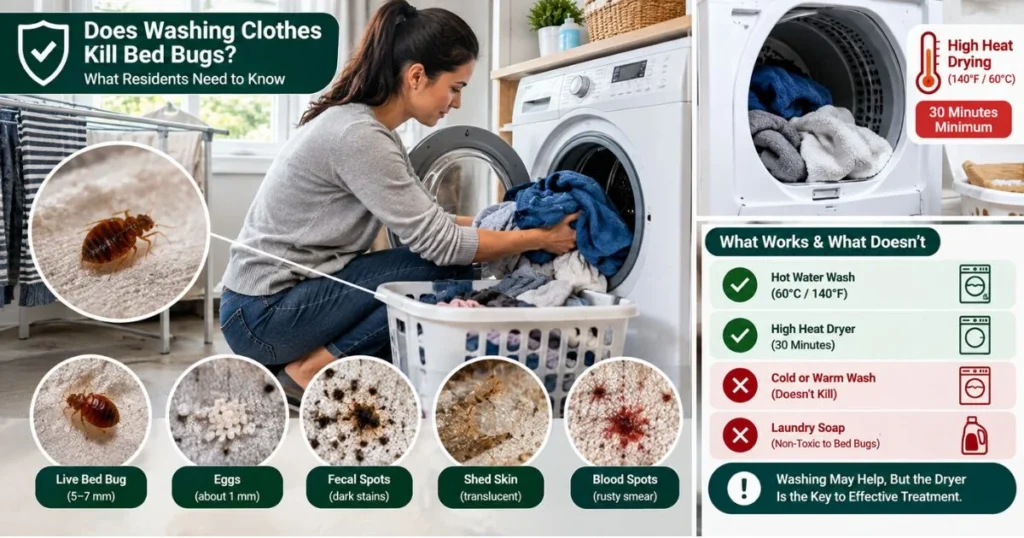
Date stamped photos of bloodstains, rusty spots, fecal spots, and eggshells build the strongest physical evidence file. Capture shed skins and excrement in close up shots with a clear infestation timeline attached. An exterminator report or Bed bug control report from a licensed operator adds hard documentary evidence the board trusts. Written records showing proof of landlord notice complete the foundation of any winning LTB application evidence.
Bite marks and skin irritation need medical records to connect physical harm to the unit. Bite documentation from a doctor strengthens infestation proof beyond what photos alone show. Pair your inspection report with bed bug evidence photos to show the adjudicator a full picture. Proof of infestation across multiple visits creates an infestation evidence pattern that LTB members take seriously every time.
How the LTB Calculates Rent Abatement for Pest Infestations
The LTB calculation for rent abatement starts with two core abatement factors. Infestation severity and duration of infestation drive the final abatement percentage in every LTB decision. A longer, worse infestation produces a higher rental value reduction against the monthly rent. Habitability impact directly shapes the abatement amount the board awards through its LTB order.
Maintenance failure by the landlord increases landlord liability and pushes the abatement award higher. The board uses no fixed rental abatement formula, so abatement determination depends on documented harm. Pest infestation abatement cases in Toronto regularly land between 10 and 25 percent rent reduction based on case records we have reviewed. A strong LTB remedy through tenant compensation requires clear proof that the financial remedy matches the real loss in living conditions.
Official Reporting and Enforcement Contacts
Municipal Licensing and Standards handles bylaw enforcement for rental pest issues across Toronto. MLS Investigation Services acts as the direct enforcement contact when a landlord ignores a confirmed infestation. This 24/7 service line connects tenants to the right reporting contact without delay.
Toronto Public Health manages health related pest complaints through the Public Health Toronto Health Connection line. City Clerk Corporate Information Management Services keeps official records of every complaint and filed official contact requests. The licensing authority for pest operators in Toronto runs through Municipal Licensing and Standards, not a private body. Pestiseed and similar operators fall under this same phone reporting and emergency contact oversight structure that Toronto Public Health enforces directly.
FAQs
Can a Landlord Charge the Tenant for Bed Bug Treatment in Ontario?
No. Bed bug treatment costs fall on the landlord. Ontario law places full treatment responsibility on the landlord under the RTA. Tenant liability for exterminator cost only applies if the tenant caused the infestation through proven negligence.
How Long Does a Landlord Have to Respond to a Bed Bug Complaint in Ontario?
No fixed response time exists in the RTA. However, a reasonable response in Toronto runs 24 to 72 hours. Landlord inaction beyond that response period supports an escalation to the Landlord and Tenant Board using your documented complaint.
Can I Withhold Rent if My Landlord Refuses to Treat Bed Bugs?
No. Rent withholding is not a safe tenant remedy in Ontario. Withholding rent risks eviction even during a dispute. The correct legal alternative is filing for rent abatement through an LTB remedy using Form T6.
What if I Cannot Prepare My Apartment for Bed Bug Treatment?
Tell your landlord right away. A vulnerable tenant with a physical limitation, mobility barrier, or cognitive limitation triggers a landlord duty to assist. Preparation assistance and an alternative arrangement for treatment scheduling become the landlord’s legal responsibility under Ontario tenancy rules.
How Do I Prove My Landlord Failed to Treat Bed Bugs for an LTB Application?
Submit a date stamped notice, exterminator report, and photographic evidence together. Your complaint record showing documented inaction meets the LTB proof standard. We recommend attaching every written notice and inspection report to strengthen your LTB application proof.
Still Dealing With Bed Bugs in Your Rental?
Let Pestiseed Help With the Infestation.
Pestiseed can inspect suspected bed bug activity and recommend the appropriate treatment approach for rental units, apartments, and other properties across Toronto and the GTA.
Licensed & Insured
Toronto & GTA
Pest & Wildlife Control