Bed bugs survive because their lifecycle is built around hiding, rapid reproduction, and treatment resistance. Complete bed bug treatment guide breaks down every stage from egg to adult, explains why infestations grow fast, and shows Toronto residents exactly which treatments work and when.
What Makes Bed Bugs So Hard to Kill
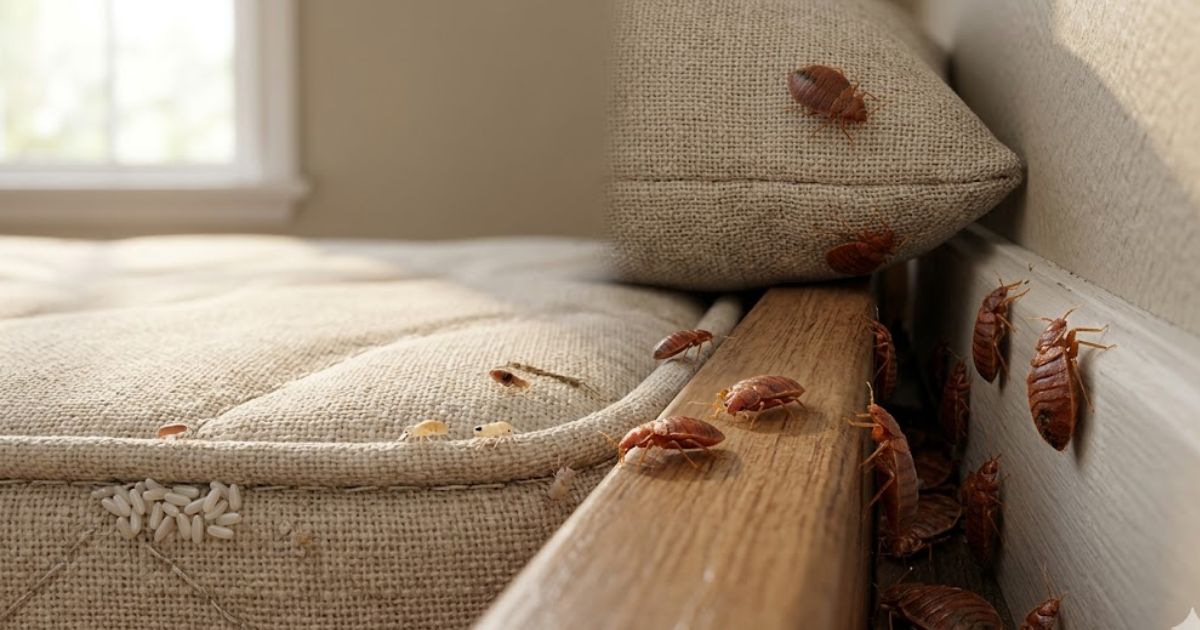
Bed bugs are not just pests. They are a survival system. Their oval, flattened bodies slip into small spaces most treatments never reach. Mattress folds, seams, floor cracks, and cracked baseboards all become safe zones. A licensed exterminator in Toronto once told us that finding every single hiding spot is harder than the treatment itself. Furniture, upholstered furniture, carpets, and voids inside walls give them endless cover. They are nocturnal, reddish brown, and built to hide.
What makes infestation worse is speed. These wingless insects feed on humans and warm blooded animals through blood feeding. After each feed, the population doubles fast through exponential growth. How to identify bed bugs in your Toronto home because bed bugs are small and stay out of sight. This is not a personal failure. Their biology is designed to survive pest control. That is why safe, reliable, 24/7 help from a licensed team matters in Toronto. Early action is the only real edge you have.
Stage 1: Eggs the Invisible Foundation
What You Are Actually Looking For
Bed bug eggs are milky white, roughly 1mm, and look like a tiny pinhead or mustard seed. A female bed bug lays 1–5 eggs per day, reaching 200–500 eggs in her lifetime. Eggs stick to mattress seams, box springs, bed frames, baseboards, and inside furniture crevices through a glue like coat, making them difficult to dislodge. They hatch in 6–10 days under warmer conditions and show a visible eye spot just before hatching. Right after hatching, first instar nymphs immediately seek a blood meal to survive.
Why Eggs Survive Chemical Treatments That Kill Adults
Insecticides like pyrethroids and other contact insecticides kill adults and nymphs on contact. The egg shell, known as the impermeable chorion, blocks chemical absorption completely. This means a single application leaves surviving eggs untouched. Those newly hatched nymphs appear 10–14 days after the first application, which is why follow up treatment is non negotiable. Professional exterminators in Toronto use rotation protocols and chemical class alternation to fight pyrethroid resistance common in urban populations. DIY products and retail pesticides use lower concentration formulas that fail against resistant egg batches. Heat treatment and steam clean methods reach high temperatures that penetrate the egg stage where pesticides do not. Health Canada and PMRA licensing govern which registered pesticide classes professionals legally apply.
Stage 2: The Five Nymph Instars Your Treatment Window
What Changes at Each Instar and Why It Matters for Detection
Immature bed bugs pass through five instars, each requiring a blood meal to molt and grow. Instar 1 starts at 1.5mm, nearly colorless, and almost invisible on carpets or dark surfaces. By instar 5, they reach 4.5mm with reddish brown color and apple seed shaped bodies easy to spot. Spread light colored bed sheets during inspection nymphs darken after feeding, making detection far easier. Each shed exoskeleton left behind counts as real evidence of infestation.
Why Instars 1–2 Are the Critical Target
First instar and second instar nymphs carry a thin cuticle and less developed detoxification enzymes. This chemical vulnerability window makes them far more susceptible to contact pesticides than older stages. A follow up visit at 10–14 days post treatment targets what to expect after a bed bug treatment. Certified inspectors using K-9 detection catch as few as 2–3 insects before infestation size explodes and cost of treatment jumps.
Blood Meal Dependency
Younger nymphs need a blood feed within days or face death from dehydration. A newly hatched nymph that cannot locate a host dies within days with no exceptions. Older nymphs and adults drop to a lower metabolic rate and survive months in a dormant state. The fasting myth of starving out bugs by leaving apartment fails because 80% of nymphs survive short term displacement. Tenants in Toronto who try short term displacement almost always return to a larger problem.
Stage 3: Adults Reproduction Rates
Adult Biology Size, Colour, and Lifespan
A fully matured adult bed bug measures 4–5mm, roughly apple seed size, with a flattened body and reddish brown skin. After actively feeding, the body swells and shifts to a deeper red brown color. Adults live 10–12 months and feed every 3–7 days. After each feed, they return to a crack or crevice to rest while digesting. Repeated bites every morning signal an adult population already gathered nearby.
Female Reproductive Output
A single female bed bug lays 3–8 eggs per week and reaches 500 eggs lifetime. Those eggs hatch within 10 days, a new generation starts, and the cycle begins again fast. One single mated female builds a 6–8 weeks detectable infestation on her own. By month three, hundreds fill the room. By month six, thousands spread into adjacent rooms. Killing adults alone proves insufficient because surviving females restore the full population within weeks.
Traumatic Insemination and Stress Dispersal Behaviour
Traumatic insemination pushes mating stress onto females, which drives them toward secondary harborage sites. How to get rid of bed bugs trigger stress dispersal instantly. A stressed population scatters into wall voids, electrical conduits, and shared ventilation fast. In Toronto high density housing like a condo or apartment, this dispersal behaviour under pesticide stress pushes bugs into adjacent units. Rutgers NJAES research confirms partial treatment and over the counter spray use actively worsen infestation spread inside multi-unit buildings.
The Complete Lifecycle Timeline From First Egg to Full Infestation
Timeline Table
The complete lifecycle moves through three main stages: egg stage, nymph stage, and adult stage. Toronto’s heating season from September–April keeps most homes at 20–22°C indoors, which is close enough to support year round breeding. High rise apartments with climate controlled units give temperature dependent development a steady, unbroken run all winter.
Month by Month Infestation Growth Model
Month one starts with 1 female and stays mostly hidden. By 6–8 weeks detectable, the first signs appear. Hundreds fill the room by month three. Month six brings thousands already spreading to adjacent rooms. We have seen 20 insects turn into 2,000 insects simply because one monthly inspection got skipped. Early intervention keeps treatment cost tiers low and avoids extensive preparation and multiple follow up visits that a multi-room colony forces onto you.
Are Bed Bugs Returning After Treatment?
Surviving eggs and newly hatched bed bugs can make an infestation difficult to resolve. Pestiseed can assess bed bug activity in your Toronto home and recommend suitable treatment options based on the infestation.
Licensed & Insured
Toronto & GTA
Professional Pest Control
How the Life Cycle Determines Which Treatment Works
Chemical Treatments
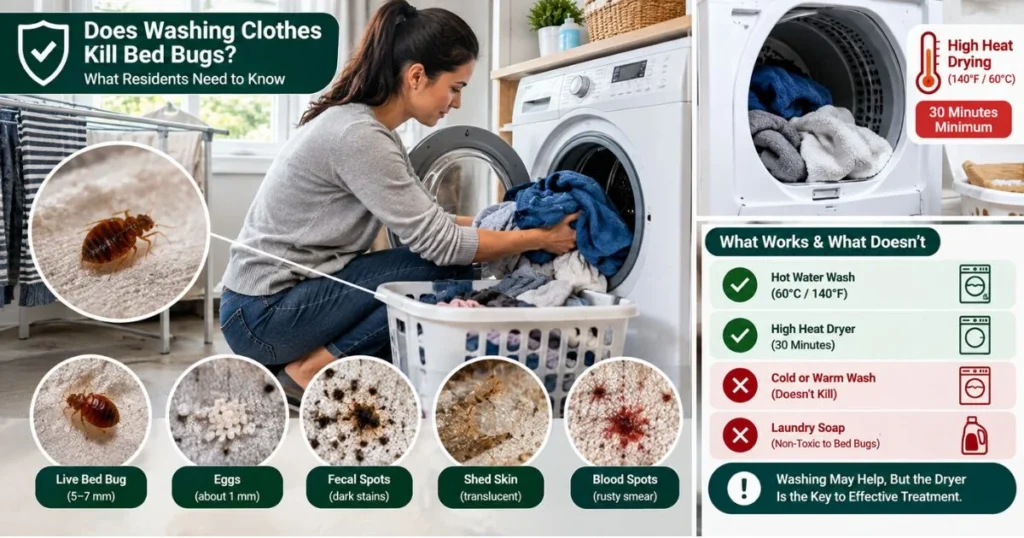
Contact insecticides like pyrethroids and neonicotinoids kill on contact but have no effect on eggs. This is exactly why single visit failure happens in almost every DIY failure case we see. Professional chemical programs solve this through a strict 10–14 day follow up timed to the egg hatching cycle. That scheduled follow up targets newly hatched nymphs before they reach reproductive maturity. Eco friendly chemical applications for bed bug control and alternating chemical classes fight pyrethroid resistance head on. Health Canada registered pesticides applied by a licensed pest control team follow multiple applications designed around the lifecycle. Preparation matters too vacuum, hot water, wash all bedding, pillow cases, and blankets, then dry on high heat drying. Wrap your mattress cover with a proper encasement and seal all items in airtight plastic covering. Clutter removal and steam clean steps cut harborage spots that residual treatments alone cannot reach.
Heat Treatment
Thermal remediation raises the whole room to 120°F / 49°C with enough dwell time to kill all life stages simultaneously. Unlike chemical programs, heat treatment delivers a single application that eliminates the egg hatching problem completely. For a multi-room infestation inside multi-unit buildings, the cost tradeoff favors heat higher upfront cost but fewer visits and far lower disruption. Aprehend bed bug treatment expert guide for families for established infestation cases needing residual backup. Pestiseed Toronto provides professional heat treatment across the GTA and Toronto and surrounding areas under the Ontario Pesticides Act and Ontario Regulation 914. 24/7 availability and same day service mean the lifecycle clock stops on your schedule, not the bugs.
Toronto Specific Factors
Toronto’s high density housing creates the perfect storm for fast spread. Condominiums and apartments with shared walls let bugs move freely between units through electrical conduits and gaps. Over 50% of Toronto renters live in these buildings, which makes reinfestation pathways nearly impossible to fully block alone. The TTC and ridesharing add another layer bags and clothing pick up bugs during daily transit exposure. Climate controlled buildings staying at 20–25°C year round remove the one natural brake on the lifecycle, creating a non stop optimal breeding temperature straight through the heating season.
Under the Ontario Residential Tenancies Act, RTA section 20 places clear landlord obligations to maintain a pest free rental unit. Municipal Code Chapter 629 gives Toronto By Law Enforcement the power to act when landlords ignore maintenance obligations. Tenants still carry responsibility for tenant cooperation and following all preparation protocols before professional treatment begins. Pestiseed operates across the GTA as a fully licensed team under the Ontario Pesticides Act and Regulation 914, delivering safe, reliable, expert pest control and wildlife removal with 24/7 available response across Ontario.
FAQs
How Fast Can One Bed Bug Become an Infestation?
One single mated female creates a detectable infestation in 6–8 weeks. By month six, thousands fill the space. Early intervention costs far less than whole home treatment.
Can I Starve Bed Bugs Out by Leaving My Apartment?
No. Adults survive up to a year without food. Short term displacement lets the rental unit population grow bigger. The starvation myth always backfires.
Why Did Bed Bugs Come Back After Treatment?
Surviving eggs hatch after the first visit. Missing the 10–14 day follow up window lets newly hatched nymphs breed fast. A multi-visit chemical program fixes this.
Is Heat Treatment Better Than Spraying for Bed Bugs in Toronto?
Yes. Thermal remediation at 120°F / 49°C kills all life stages in one visit. Chemical sprays always leave surviving eggs behind. Pestiseed delivers trusted professional heat treatment across the GTA.
Does My Toronto Landlord Have to Pay for Bed Bug Treatment?
Yes. RTA section 20 requires landlords to maintain a pest free unit. If they refuse, file through Toronto By Law Enforcement under Municipal Code Chapter 629.
Don’t Let Bed Bugs Keep Coming Back
Get a Professional Bed Bug Assessment
From hidden eggs to active adult bed bugs, each life stage matters when planning treatment. Pestiseed provides bed bug inspection and treatment options across Toronto and the GTA to help you decide on the appropriate next step.
Licensed & Insured
Toronto & GTA
Pest & Wildlife Control