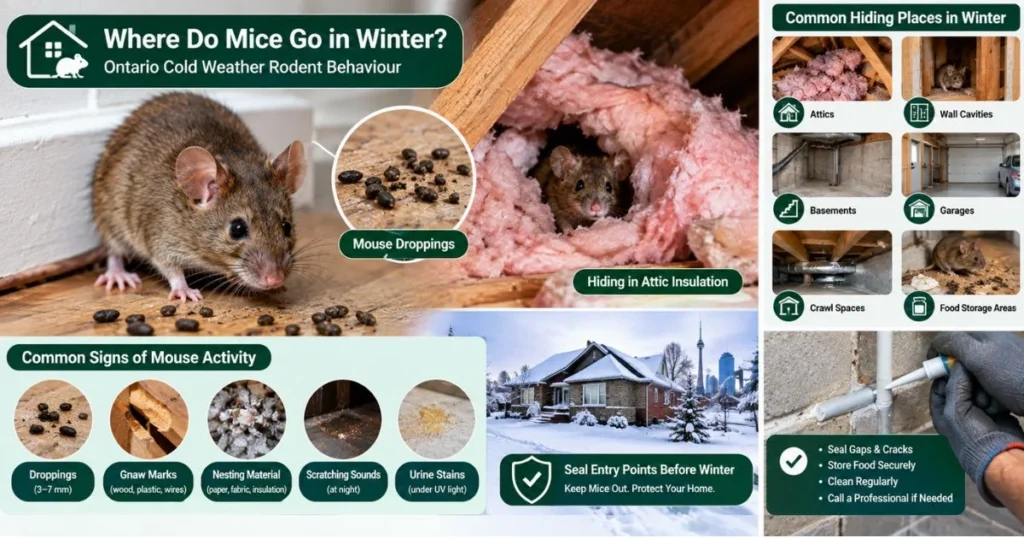
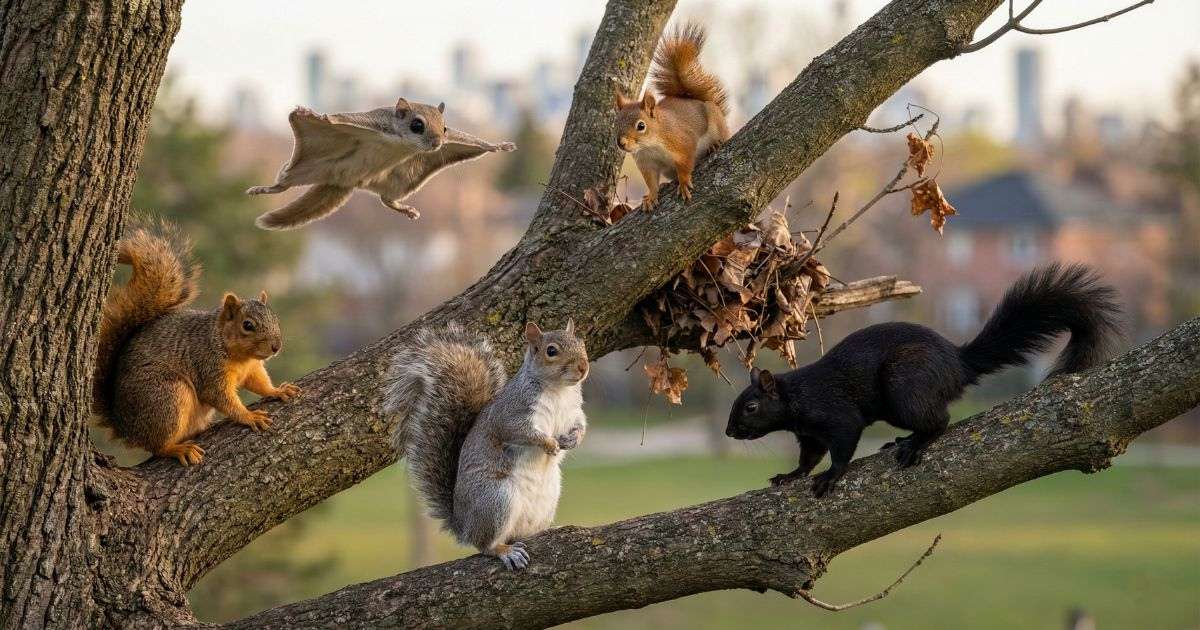
Let’s talk about the types of squirrels you might spot in Toronto. We’ve seen plenty during our years in pest control! Squirrel identification can be tricky at first. But it gets easier with practice. The most common squirrel species here are grey and black squirrels. Red squirrels are smaller and super feisty. Flying squirrels come out at night. They glide between trees like tiny superheroes! Each type acts differently in your home. That’s why knowing them matters. At Pestiseed Pest Control, we know every furry invader. We use this knowledge to protect your space. Our team handles all squirrel problems fast. We keep Toronto homes safe and critter free!
Understanding Squirrel Categories: Tree vs. Ground Squirrels
Not all types of squirrels act the same way. We’ve learned this through years of pest work. The debate of tree squirrels vs ground squirrels matters a lot. It helps us solve your squirrel problems faster!
Tree Squirrels Characteristics
Tree squirrels are the acrobats of Toronto neighborhoods. We watch them jump from branch to branch daily. They have long, fluffy tails for perfect balance. These climbers build nests called dreys up high. They love attics, soffits, and roof spaces too. Grey and black squirrels fall into this group. We find them causing roof damage across Toronto. They chew through wood like it’s nothing!
Ground Squirrels Characteristics
Ground squirrels prefer life on the ground level. They dig burrows instead of climbing trees. Their tails are shorter and less bushy. Squirrels damage lawns and gardens. Chipmunks belong to this ground loving family too. These critters hibernate during Toronto’s cold winters. They store food underground for months ahead. We spot their tunnel holes in backyards everywhere!
Common Types of Squirrels
Toronto backyards host many types of squirrels daily. We meet these furry troublemakers on every job. Some are friendly looking but cause big problems. Others hide and sneak around at night only. Knowing each species helps us protect your home. Let us share what we have learned firsthand!
Gray Squirrel
Gray squirrels own Toronto like tiny landlords. We see them everywhere across the city constantly.
Physical Identification Features
Physical identification features help spot gray squirrels quickly. Their fur shows off silver gray coloring throughout. White or cream bellies peek out underneath nicely. Big bushy tails wave behind them while running. Adults usually weigh about one pound total. Sometimes they reach one and a half pounds. Round ears sit on their heads without tufts. Large dark eyes help them spot danger fast. Their bodies measure about 18 inches long overall. We recognize these features instantly during home inspections. Gray squirrels look almost identical across Toronto neighborhoods. Their thick fur keeps them warm through harsh winters.
Habitat and Behaviour
Habitat and behaviour stay pretty consistent here in Toronto. Oak and hickory trees attract gray squirrels strongly. We find them raiding bird feeders constantly too. Parks and backyards become their favorite hangout spots. They build messy leaf nests called dreys high. Tree cavities also serve as cozy homes for them. Attics become prime real estate during cold months. We remove gray squirrels from Toronto homes year round. These critters stay active during daylight hours mostly. They bury nuts and forget half of them. That forgetfulness actually helps plant new trees accidentally!
Black Squirrel Variant
The Black Squirrel Variant puzzles many Toronto homeowners often. We answer questions about them all the time. Black squirrels are really just gray squirrels honestly. A simple genetic mutation causes the dark coloring. Their DNA matches gray squirrels completely and perfectly. Both variants share identical behaviours and eating habits. Toronto actually has lots of these dark beauties. Some neighborhoods seem overrun with black squirrels specifically. We treat them exactly the same during removal. They cause identical problems inside homes and attics too. The mutation seems more common in Ontario actually!
Red Squirrel
Red squirrels bring massive attitudes in tiny packages. We admire their spunk during every encounter honestly.
How to Identify Red Squirrels
How to identify red squirrels takes just quick seconds. Their rusty red or orange brown fur stands out. These squirrels are much smaller than gray ones. White rings circle their bright little eyes cutely. Ear tufts appear during cold winter months too. Their tails look less bushy but still adorable. We spot them instantly by their compact size. Red squirrels weigh only about half a pound. Their small bodies move incredibly fast through trees.
Habitat Preferences
Habitat preferences differ slightly from their gray cousins. Red squirrels absolutely love conifer forest areas most. Pine, spruce, and fir trees attract them strongly. Toronto’s ravines and wooded parks host many populations. Mixed forests with evergreens work perfectly for them. They cache pinecones in huge piles called middens. We find these food stashes throughout their territories.
Behavioral Traits
Behavioral traits make red squirrels unforgettable to us. These little firecrackers are incredibly loud constantly. We hear their angry chattering from far away always. They defend territories like tiny furry warriors bravely. Red squirrels chase away much larger gray squirrels. Seriously, they have zero fear whatsoever about size. We laugh watching them boss around bigger animals!
Fox Squirrel
Fox squirrels are Toronto’s gentle giant visitors occasionally.
Distinguishing Features
Distinguishing features include their impressively large body size. Orange brown or rusty fur covers them beautifully overall. Tan or orange coloring shows on their bellies. Fox squirrels can weigh up to two pounds. Their faces appear more square shaped than others. We notice their size difference immediately during sightings.
Range and Habitat
Range and habitat spreads across Southern Ontario regions. We spot fox squirrels less often in Toronto. They prefer quieter suburban and rural areas nearby. Open woodlands with mature oak trees attract them.
Flying Squirrels
Flying squirrels work the night shift in Toronto.
Unique Identification Traits
Unique identification traits make flying squirrels special creatures. Large dark eyes dominate their cute little faces. Skin flaps called patagia stretch between their legs. Flattened tails help them steer while gliding smoothly. Their grayish brown fur feels incredibly soft and silky.
Species Differences
Species differences separate them from daytime tree squirrels. Flying squirrels are strictly nocturnal animals only here. They glide gracefully instead of jumping between trees. Two species live in Ontario including Northern types.
Habitat and Behavior
Habitat and behavior keep flying squirrels hidden from view. Tree cavities become their favorite nesting spots naturally. Attic spaces also attract them during colder seasons. We find flying squirrel families inside Toronto homes. They live together in social groups peacefully usually. These amazing gliders can travel 150 feet smoothly!
Key Identification Features to Look For
Spotting different types of squirrels takes some practice honestly. We use this wildlife identification guide approach daily. Our years in Toronto pest control taught us well. Let us share our best identification tips with you!
Size and Body Structure
Size tells you a lot about squirrel species. Fox squirrels are the biggest ones around here. They can weigh up to two full pounds. Gray squirrels fall in the middle size range. Red squirrels are tiny compared to others honestly. Flying squirrels stay small with flat wide bodies. We measure body length during identification checks often. Tail bushiness also helps us tell species apart. Bigger body usually means a gray or fox squirrel!
Fur Color and Patterns
Fur color makes identification super easy and fast. Gray squirrels show silver gray fur with white bellies. Red squirrels display rusty orange brown coloring throughout their body. Fox squirrels wear orange brown coats with tan undersides. Flying squirrels have soft grayish brown fur overall. Black variants are just gray squirrels in disguise. We always check belly color for extra confirmation too!
Behavioral Clues
Squirrel behavior reveals species identity really quickly actually. Gray squirrels act bold around humans without fear. Red squirrels chatter loudly and defend territory aggressively. Flying squirrels only come out during nighttime hours. We watch movement patterns during every home inspection. Daytime activity usually means gray, red, or fox squirrels.
Habitat Preferences
Habitat preferences help narrow down species identification too. Gray squirrels love oak trees and urban backyards. Red squirrels prefer conifer forests with pine trees. We find flying squirrels nesting inside Toronto attics. Each species picks specific home environments naturally!
Squirrel Identification Tips for Toronto Residents
Knowing your types of squirrels matters in Toronto. We have learned tons during our pest control work. Here are quick tips that actually help homeowners:
- Check the size first: Fox squirrels are biggest
- Look at fur color: Gray, red, or black
- Notice the tail: Bushy means tree squirrel
- Watch when they appear: Night means flying squirrels
- Listen for sounds: Red squirrels chatter loudly
Toronto neighborhoods see gray squirrels the most often. Black squirrels come in second place around here. We spot red squirrels in ravines and parks. Flying squirrels hide during the day completely. They only come out when the sun goes down. Taking photos helps us identify species faster too. We always ask homeowners for pictures before visiting. Your observations save time during service calls honestly. Location matters because each species prefers different areas. Urban yards attract gray and black squirrels mainly. Wooded areas near ravines host more red squirrels!
Understanding Squirrel Behavior and Ecology
Different types of squirrels act in unique ways daily. Understanding squirrel behavior helps us manage them better here. We have watched these critters for many years. Toronto’s squirrel population keeps us pretty busy honestly. Squirrel sign guide section covers important habits.
Diet and Feeding Patterns
Squirrels eat way more than just nuts honestly. We see them munching on all kinds of foods:
- Acorns and walnuts: Their absolute favorite snacks
- Seeds and berries: Easy to find everywhere
- Tree bark and buds: When food gets scarce
- Bird eggs occasionally: Surprised us at first
- Mushrooms and fungi: They love forest treats
Gray squirrels in Toronto raid bird feeders constantly. We watch them outsmart every squirrel proof feeder design. Red squirrels prefer pinecones and conifer seeds mostly. Flying squirrels enjoy nuts, seeds, and even insects. They all bury food and forget hiding spots. This forgetful habit plants many trees across Toronto. Squirrels need to eat about one pound weekly. Winter months push them to find cached food supplies.
Role in the Ecosystem
Squirrels play important roles in Toronto’s urban ecosystem. We appreciate them despite the trouble they cause:
- They plant trees: Forgotten buried nuts grow
- They feed predators: Hawks and foxes eat them
- They spread fungi: Helps forest health overall
- They trim trees: Chewing controls branch growth
Toronto’s parks depend on squirrels for tree regeneration. Those buried acorns become mighty oak trees eventually. We see their impact across the city’s green spaces. Hawks circle above looking for squirrel meals daily. Foxes and coyotes hunt them in ravine areas. Even pet cats chase squirrels through Toronto backyards. The ecosystem needs these busy little creatures honestly. They connect many parts of nature together nicely!
Signs of Squirrel Activity in Your Home
Toronto homes show clear signs of squirrels moving in. We look for these clues during every inspection:
- Scratching noises: Usually heard in early morning
- Chew marks: On fascia boards and roof edges
- Droppings: Small pellets in attic spaces
- Nesting Materials: Leaves and insulation piles everywhere
- Entry Holes: Usually about three inches wide
- Damaged Wires: Chewed electrical cords are dangerous
Professional Wildlife Control
Professional help beats DIY methods for squirrel removal. We handle Toronto squirrel problems humanely and safely always. Experts know how to seal entry points properly. We remove squirrels without harming them at all honestly. Licensed professionals follow Ontario wildlife laws carefully too. DIY attempts often make problems worse unfortunately for homeowners. Squirrels can bite when feeling threatened or cornered. We use proper equipment and proven removal techniques daily. Professional services save you time and money long term. Toronto homeowners trust experts for lasting squirrel solutions here!
Hearing Scratching or Finding Signs of Squirrels in Your Attic?
If you suspect squirrels are nesting in your attic or damaging your roof, Pestiseed can help assess the activity and discuss appropriate removal and entry-point exclusion options for your Toronto or GTA home.
Why Choose Pestiseed Pest Control for Squirrel Removal
Pestiseed Pest Control handles all types of squirrels expertly. We understand squirrel behaviour from years of Toronto experience. Our team always uses a detailed wildlife identification guide approach. Here is why Toronto homeowners trust us completely:
- Licensed and insured: We follow Ontario wildlife laws
- Humane removal methods: No harm to squirrels guaranteed
- Same day service: We respond to calls fast
- Free inspections: No hidden fees or surprises
- Guaranteed results: We seal entry points permanently
We have removed thousands of squirrels across Toronto. Our technicians know every squirrel species in the area. Gray, black, red, and flying squirrels are our specialty. We find entry points that other companies often miss. Toronto residents deserve pest free homes year round honestly.
Frequently Asked Questions
Are black squirrels a different species?
No, black squirrels are just gray squirrels actually. A genetic mutation causes their dark fur coloring. They share the same DNA and squirrel behavior complete guide to squirrel removal. We see tons of black squirrels across Toronto. They act exactly like their gray colored cousins honestly!
Why are there so many squirrels in Toronto?
Toronto offers perfect squirrel living conditions year round actually. Lots of mature trees provide food and shelter. Parks and backyards give them endless space honestly. Mild urban temperatures help survival rates stay high. We notice populations growing every single year here!
Can gray and red squirrels interbreed?
No, gray and red squirrels cannot breed together. They belong to completely different species genetically speaking. We never see hybrid squirrels during our work. They actually compete for territory quite aggressively too!
How can I tell the difference between a red and gray squirrel?
Size makes the biggest difference between these species. Red squirrels are much smaller than gray ones. Red fur versus gray fur is pretty obvious. Red squirrels also have cute ear tufts sometimes. We spot the size difference from far away!
Are squirrels protected in Ontario?
Yes, Ontario wildlife laws protect all squirrel species. We must use humane removal methods here. Killing squirrels requires special permits in most cases. Professional services follow all regulations carefully for homeowners!
Get Your Free Squirrel Inspection Today
Dealing with different types of squirrels in your Toronto home? Pestiseed Pest Control knows squirrel behavior inside and out. We use a trusted wildlife identification guide approach daily. Call us now for your free inspection today! We handle squirrel problems quickly and humanely always!
Squirrels Getting Into Your Home?
Get Help With Squirrel Removal
Get help assessing squirrel activity, identifying possible entry points, and exploring suitable removal and exclusion options. Contact Pestiseed Pest Control for squirrel removal assistance in Toronto and the surrounding GTA.