Scratching noises in your attic at night usually mean one thing: squirrels have moved in. Toronto’s older housing stock, with its aging soffits and worn roof vents. We made an easy target for the city’s Eastern Grey, Red, Flying and Fox squirrel populations. Left alone, they chew electrical wires, damage insulation, and create real fire and health risks. This guide covers how to spot an infestation, why squirrels get in, and how Pestiseed removes them safely across Toronto and the GTA.
What Attracts Squirrels to Toronto Homes
Why Toronto’s Older Housing Stock Is Especially Vulnerable
Many older Toronto homes come from wartime housing built before 1980. Years of use wear down the wood fascia board and leave a deteriorated soffit. The original roof vent screening turns weak over time. Wood rot forms settling foundation cracks, gaps around pipes, and gaps around cables, easy weak spots in the roofline.
Outdoor Attractants (Bird Feeders, Fruit Trees, Overhanging Branches)
A bird feeder or fruit tree pulls squirrels close to your home. Fallen fruit and a compost pile work the same way. A nut bearing tree or overhanging branch gives them a path to the roof. Any tree within eight feet of the roofline needs trimming. Food source removal cuts the real draw.
Types of Squirrels Found in Toronto Attics
Eastern Grey Squirrel
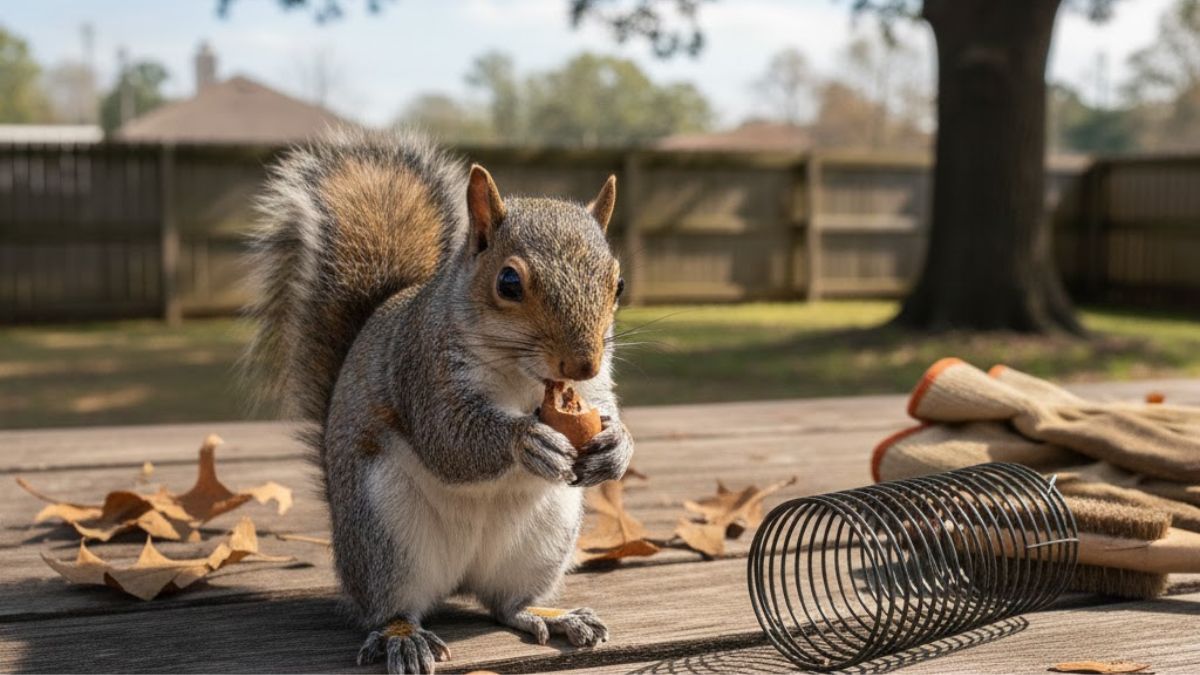
Eastern Grey squirrel is the most common Toronto species. It has grey fur and a bushy tail, with a 15 to 20 inch length and one pound body weight. It shows daytime activity, mostly in early morning and late afternoon. It causes attic insulation damage and chewed electrical wire, with a twice yearly litter in spring litter and fall litter seasons.
Red Squirrel
Red squirrel has rust coloured fur and a smaller body size than its grey cousin. It shows strong territorial instinct and loud chattering vocalization. It builds multiple nest sites and causes wooden beam damage. Its fast movement leads to live trap avoidance. Homes often report single squirrel presence, with its spring litter arriving each year.
Flying Squirrel
Flying squirrel is a nocturnal species with a gliding membrane instead of wings. It measures just 10 inch length and makes a soft chirping sound. It often shows group presence, using a small entry point to get inside. Its daytime concealment makes it an overlooked infestation, with its late spring litter arriving unnoticed.
Fox Squirrel
The Fox squirrel is the largest squirrel species in Toronto attics. It reaches a two pound body weight and 20 inch length. It has a rusty belly and grey back, with growing suburban GTA presence. Its powerful jaw creates a large entry hole, and removal often needs a heavy duty trap requirement.
Signs of a Squirrel Infestation in Your Attic
Noises and Activity Timing
A scratching sound or running sound in your ceiling signals trouble. You may also hear a scampering noise above your head. Squirrels show early morning activity and late afternoon activity, a clear daytime noise pattern. This matches their breakfast activity hours. Listen too for teeth sharpening behaviour, which sounds like a steady gnawing sound.
Visible Roof and Soffit Damage
Check for chewed wooden siding around your roofline. A soffit gnaw mark or gap in soffit points to entry. Look for a missing shingle or damaged roof edge nearby. Torn roof vent screening is another clear sign. Fascia board damage often comes with visible insulation from outside.
Droppings, Odour, and Nesting Debris
Squirrel droppings look like a dark brown pellet about half an inch long. A fresh dropping stays moist, while an old dropping turns pale. You may spot a yellow stain or brown stain from urine stain marks. Squirrels also leave nest material behind, including shredded leaf, twig, torn cardboard, and fabric scrap.
Health and Fire Risks of Squirrels in Toronto Attics
Fire Hazard From Chewed Wiring
A chewed electrical wire is one of the biggest risks in your attic. Squirrels have continuously growing teeth, so they gnaw to wear them down. This creates wire insulation damage and leaves an exposed wire behind. Exposed wires can cause spark ignition, raising your house fire risk. An electrical fire often means costly wiring replacement.
Structural Damage to Fascia and Soffits
Squirrels cause real fascia board damage around your roofline. This often calls for soffit repair once they chew through. You may also see roof vent screening damage or chimney cap damage. Inside the attic, they leave shredded insulation and sometimes drywall damage. Left alone, wood rot sets in, leading to roof edge weakness.
Disease and Parasite Exposure
Squirrels can carry rabies and leptospirosis, both serious zoonotic disease risks. They also bring a flea, tick, or mite into your home. A tick bite can lead to Lyme disease in people or pets. Dropping contamination adds another health risk during cleanup. This often calls for a protective gear requirement for safety.
How Squirrels Enter Toronto Attics and Rooflines
Roof Vents, Soffit Gaps and Chimney Openings
A roof vent with thin plastic screening is an easy target. Squirrels also use a soffit gap or uncapped chimney opening to get inside. Even a gap around a pipe or gap around a cable works. A two inch entry gap, about the size of a loonie sized hole, is all they need.
Tree Branches as an Entry Vector
An overhanging branch gives squirrels a direct path to your roof. The eight foot proximity rule helps you judge the real risk. Branch trimming removes this threat before it starts. Watch any power line route or fence connection point too. Squirrels can clear a ten foot jump distance to reach a roofline launch point.
Squirrel Activity by Season in Toronto
Spring Breeding and Nesting Urgency
The March to May breeding window brings new litters to Toronto attics. A mother squirrel shows strong mother squirrel protectiveness during this time. She needs a safe spot for nursery nesting. Listen for a high pitched noise from a baby squirrel nearby. This matches the normal spring litter timing each year.
Fall Entry Surge Before Winter
The September to November preparation period drives more squirrels indoors. This season brings clear winter shelter seeking behaviour across Toronto. You’ll notice acorn storage and nut storage building up fast. This creates increased roofline activity around your home. Fall marks a real pre-winter urgency for squirrels.
Winter Attic Activity Patterns
The December to February peak season brings the most attic problems. Cold weather often leads to multiple families nesting in one space. A warm heating vent attraction pulls them deeper inside. This season sees the highest emergency call volume each year. A snow and ice barrier outside makes an easier location in winter possible.
Humane Squirrel Removal Methods
One Way Exclusion Doors
A one way exclusion door fits over the main entry hole squirrels use. It works along with full entry point sealing around the attic. The three to seven day process lets squirrels leave on their own. This relies on their natural exit behaviour to find food. A nest check before installation rules out any baby squirrel exception.
Live Trapping and Relocation
A live trap works well with peanut butter bait inside. This method needs a twice daily trap check to protect the squirrel. Relocation distance must follow the 5 kilometre rule set by officials. This falls under Ontario wildlife regulation for safe release. Only a licensed professional requirement allows this kind of relocation.
Why DIY Traps and Natural Repellents Usually Fail
An ultrasonic device rarely stops a determined squirrel. The same goes for a mothball or predator urine spray. A bright light deterrent or loud radio deterrent fails just as fast. Squirrels show quick habituation to noise within days. A missed entry point explains most of the DIY failure rate.
Sealing Your Toronto Home Against Future Squirrel Entry
Steel Mesh and Metal Flashing
Steel mesh or hardware cloth works best over open gaps. Unlike foam, this is a true chew resistant material. Metal flashing adds extra strength around weak roof edges. This addresses a key spray foam limitation, since squirrels chew right through it. Proper weak spot reinforcement stops repeat entry for good.
Chimney Caps and Vent Screening
A stainless steel chimney cap blocks squirrels while letting smoke escape. Heavy duty wire mesh replaces weak factory screens on vents. This covers dryer vent screening, gable vent screening, and ridge vent screening alike. Galvanized steel mesh resists rust through harsh Toronto winters. Every cover needs a tamper resistant screw to stay in place.
Tree Trimming and Removing Food Sources
Regular branch trimming keeps limbs past the eight foot clearance mark. Bird feeder removal cuts off an easy food source nearby. Add fallen fruit cleanup and garbage bin security to your routine. For full protection, pair this with a professional sealing service. A professional exclusion service handles the parts DIY work misses.
FAQs
How long does squirrel removal take?
Squirrel removal follows a three to seven day timeline in most Toronto homes. This covers entry point identification time and full exclusion door installation. A simple case timeline finishes faster, while a complex case timeline needs more days.
Can I remove squirrels myself?
A DIY entry hole search often misses hidden gaps, raising missed entry point risk. Live trapping also needs a live trap permit requirement under Ontario law. A baby squirrel complication usually calls for professional intervention instead.
How do I know if there are baby squirrels in my attic?
High pitched chirping inside your attic points to babies nearby. This often matches spring litter timing or fall litter timing in Toronto. Watch for a steady mother squirrel trip frequency and a clear nesting sound pattern.
Do ultrasonic repellents work on squirrels?
An ultrasonic device rarely stops squirrels long term, due to a fast habituation effect. Most product claims are just a marketing claim with weak results. A mother squirrel indifference makes it an ineffective deterrent overall.
Get Professional Squirrel Removal in Toronto
Pestiseed offers a free inspection using a thermal camera across the GTA coverage area. Our licensed technician and wildlife control specialist team serve Etobicoke, North York, Scarborough, and Mississauga with same day service and a written guarantee.