✅ Humane Skunk Removal (ISHA Certified Handling)
✅ Odor Control & Spray Risk Prevention
✅ Entry Point Sealing & Long Term Prevention
✅ Affordable Skunk Removal Rates
✅ Same Day Emergency Skunk Removal
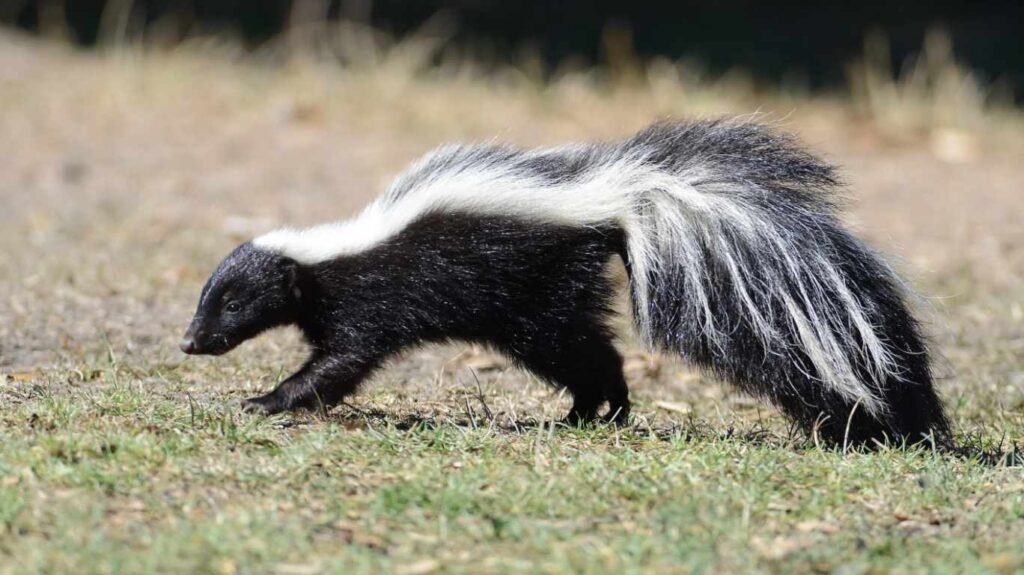
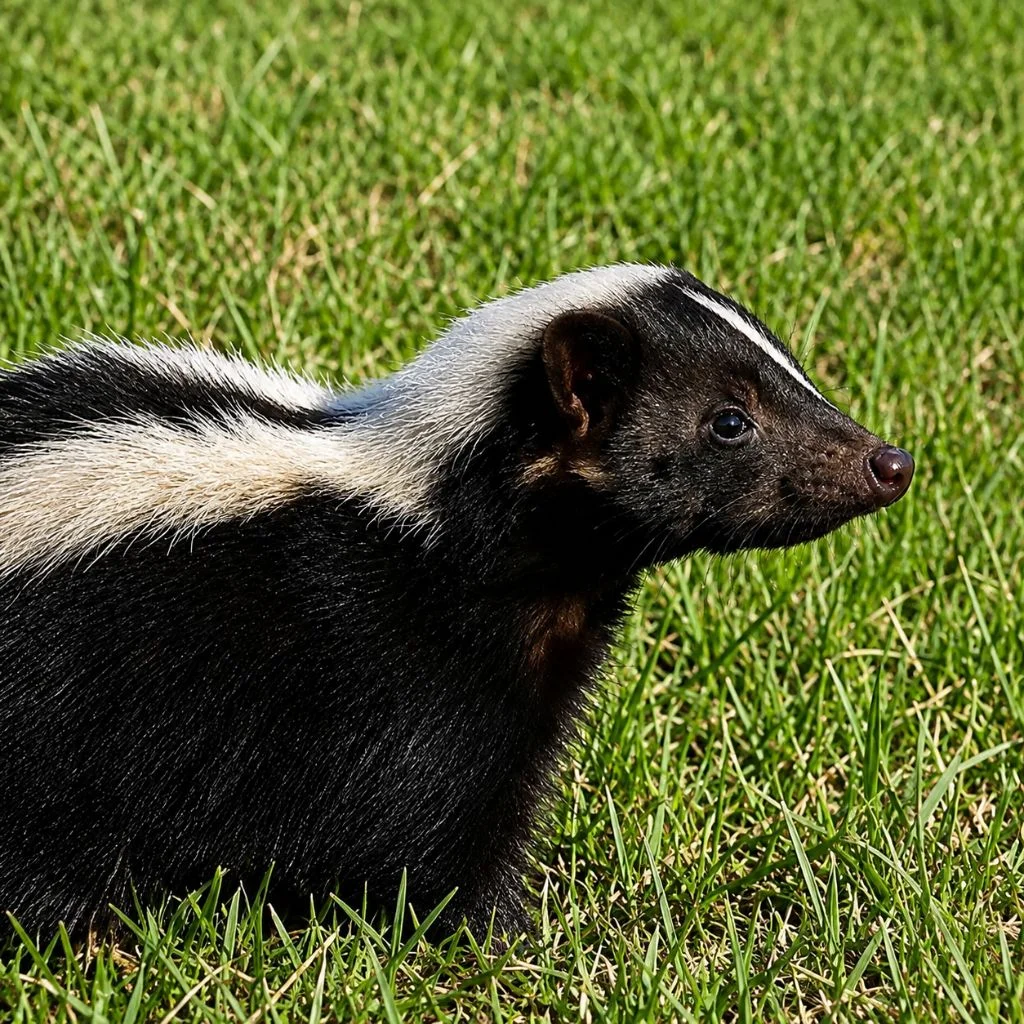
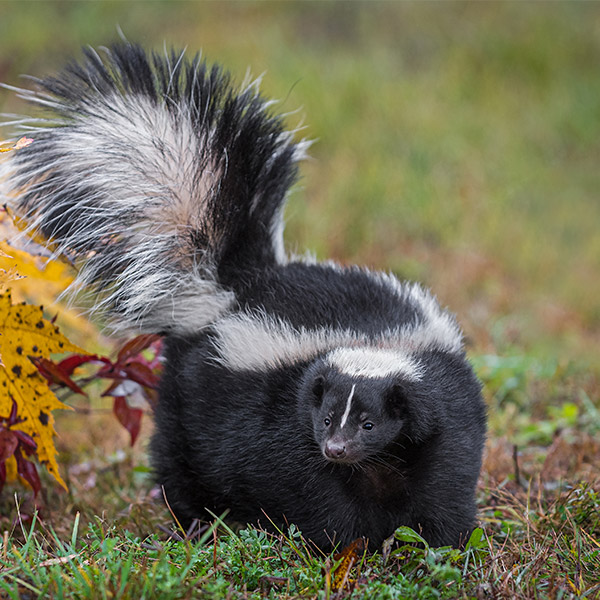
A skunk under the porch means an active den nearby. Licensed, trained technicians remove the animal without harming pets or family members. Skunks spray when they feel cornered or threatened. Fast removal keeps the smell and mess from spreading.
Five years of skunk removal work back every Burlington job. Technicians inspect the den, trap the skunk, and seal the entry point. Sealing stops new skunks from denning in the same spot. Licensed and trained crews handle every step safely.
Skunk removal cost in Toronto depends on den location, access difficulty and exclusion work needed. Pestiseed offers a free on site estimate with full pricing transparency before any work starts. You get flat rate pricing with no hidden fees, covering one way door installation cost and exclusion work cost in one clear number. Emergency calls carry a separate emergency removal rate, confirmed upfront during booking.
Baby skunk removal adds cost during the denning season due to baby season pricing consideration and extra handling time. Odour treatment cost is quoted separately based on affected surface area. First time Toronto customers receive a 10% first customer discount applied to the full job total. Every visit includes a full property inspection fee waived when you proceed with same day removal.
A confirmed skunk den demands a ground level site access inspection of every structure on the Burlington property. Pestiseed’s same day inspection maps every skunk entry point, checks fresh digging evidence and separates an active vs inactive den before building a customised removal plan.
A humane one way door device lets the skunk exit without re-entry. The family unit protocol places skunk kits in a 32°C holding temperature box until the mother retrieves them. Heavy steel mesh buried in ground seals every deck perimeter exclusion point permanently.
WHMIS 2015 (GHS) requires every Pestiseed technician to review a Safety Data Sheet before handling enzymatic deodoriser and pesticide concentrates on Burlington properties. Hazardous product label compliance and correct re-entry time after chemical treatment are confirmed before every safe chemical application begins.
Transportation of Dangerous Goods Act 1992 makes unlicensed pesticide transport on Burlington roads a federal transport offence. Every Pestiseed service vehicle carries valid TDG certification from Transport Canada, with full enzymatic agent transport documentation completed before each Class 9 hazardous goods transport job.
IHSA Working at Heights certification from the Infrastructure Health and Safety Association is mandatory under Ontario MLTSD for any elevated exclusion work above 3 metres. Pestiseed technicians hold current certification for roofline exclusion sealing and soffit entry point sealing above ground level in Burlington.
Water converts stable thioacetate precursor compounds into active thiol mercaptans, the stronger odour form. Hosing a Burlington deck triggers moisture reactivation cycle through porous surface absorption into concrete and timber grain. Fragrance masking fails completely. Washing worsens the odour every time.
Enzymatic deodoriser application breaks thiol compounds at the molecular level on Burlington crawl space floors and deck underside surfaces. An industrial ozone generator completes irreversible odour breakdown inside enclosed spaces. The re-entry window after ozone treatment is 2 to 4 hours minimum.
Burlington falls under Halton Region Public Health, requiring rabies risk assessment after any skunk contact. Skunks rank as secondary Ontario rabies vector species. A flea infestation from den sites also creates parasite risk to household pets and children near insulation contamination zones.
Do not wash with water after a pet spray incident in Burlington. Water triggers stronger odour through thiol conversion. Apply a hydrogen peroxide and baking soda neutraliser immediately. Eye irrigation is required for temporary blindness in dogs from skunk spray before veterinary contact.
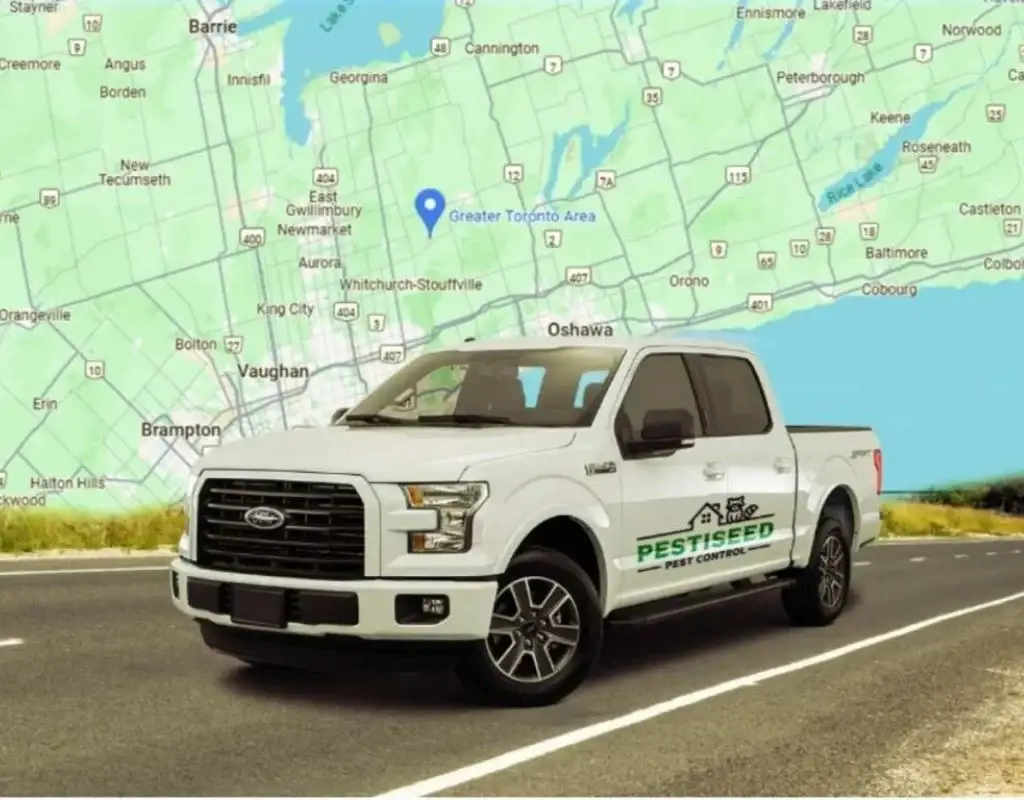
Alton Village, Millcroft, Orchard, Brant Hills, Roseland, Tyandaga and Headon Forest sit near Bronte Creek Provincial Park and Royal Botanical Gardens wildlife corridor. Grub rich lawns in mature tree zones push skunks into Burlington detached homes, bungalows and semi detached properties year round.
Aldershot, Mountainside, Palmer, Elizabeth Gardens, and the Plains Road corridor near the Lake Ontario shoreline receive same day Burlington coverage with no travel surcharge. Pestiseed also serves Burlington schools, churches, retail plazas and warehouses along the Oakville border area and Hamilton border area.
If a skunk is denning under your deck, porch, shed, or another part of your property, book a Burlington skunk inspection with Pestiseed. The inspection identifies the active entry point and helps determine the appropriate removal and exclusion approach. Book a Burlington skunk inspection to find out what is causing the problem and what needs to be done to prevent the animal from returning.
Skunk removal cost in Burlington starts with a free on site inspection. The customised treatment plan price depends on property accessibility, animal count and whether odour treatment is needed. Price is confirmed before work starts.
Ontario Fish and Wildlife Conservation Act Section 33 prohibits unlicensed trapping. DIY traps carry no evidence base and risk a provincial offence. A MECP Pest Control Operator Licence is the legal requirement for skunk removal.
Skunk removal timeline in Burlington runs 3 to 7 days total. Same day inspection is followed by 24 hour trap set time, a 1 to 3 days monitoring period, then entry point sealed after exit confirmed.
Heavy steel mesh buried in ground creates a permanent exclusion barrier. Attractant removal, food source elimination, and habitat modification prevent return. A motion activated light adds a secondary deterrent layer after entry point sealing.
The skunk family unit protocol keeps kits with the mother. Skunk kits stay in a heated box until the mother exits via a one way door and natural family reunification completes outside the structure.
Skunk attractants in Burlington include unsecured compost piles, pet food left outside, grubs in lawn, and open space under deck or shed. Secure garbage can lids and grub control lawn treatment reduce risk significantly.