Professional wasp exterminator services vary based on several factors. Nest size affects the price significantly. Location matters too. Hard to reach spots cost more obviously.

We provide upfront quotes before starting any work. No hidden fees or surprise charges ever. Our licensed wasp exterminators in Toronto ensure fair pricing. You get quality service without breaking your budget.


Pestiseed Pest Control Milton

Safe & Certified Wasp Nest Removal in Milton

✅ Certified Safe Wasp Removal (WHMIS & TDG Compliant)

✅ Toronto‑Focused Pest Prevention Plans

✅ Humane & Responsible Removal Methods

✅ Structural Proofing & Entry Sealing Solutions

✅Same‑Day Emergency Pest Response

Google reviews

WHMIS Trained | TDG Trained |Wildlife Handling & Humane Removal Trained Technicians

    Quick Quote Request

    Certified Safe Chemical Handling

    ✅ Certified Safe Wasp Removal (WHMIS & TDG Compliant)

    ✅ Complete Nest Removal — Not Just Spray & Leave

    ✅ Roof & High-Access Safety Trained Technicians

    ✅Same-Day Emergency Wasp Removal

    Humane & Environmentally Responsible Treatment

    Google reviews

    WHMIS Trained | TDG Trained |Wildlife Handling & Humane Removal Trained Technicians

      Quick Quote Request

      Wasp Nest Removal Toronto dress

      Licensed & Trained Wasp Nest Exterminators Service in Milton

      A wasp nest close to your home is a real danger. Most companies just say “licensed” and call it a day. Every wasp exterminator we send holds a valid Ontario pest control license. That license is tied to strict Ontario Ministry regulations that many local companies quietly skip.

      Our wasp control technician team is a proud member of the Structural Pest Management Association of Ontario. SPMAO membership keeps us fully accountable for pesticide handling compliance on every single job. We follow Integrated Pest Management (IPM) to treat nests safely and stop them from coming back. Milton families get real, regulated protection, not just a label.

      Emergency Wasp Nest Removal Services in Milton

      An active wasp colony near foot traffic grows fast and turns aggressive. A high activity colony doubles in size quickly, raising the human safety risk around your yard. Structural nest infestation inside walls triggers a defensive swarm response with almost no warning. Our emergency pest control team brings same day service using a trusted rapid treatment protocol built for Milton homes.

      Wasp Nest Removal Toronto 2

      Signs You Need Immediate Wasp Nest Removal in Milton

      eco-friendly

      Increased Wasp Traffic Around Your Property

      Worker wasps follow fixed flight path patterns near your home each day. You’ll spot worker wasp foraging around trash bins and sweet drinks outside. Food source mapping covers up to 300 meters from the nest. That wide range signals colony expansion before any wasp colony nest even appears.

      eco-friendly

      Visible Nest Structures

      A paper nest forms from chewed wood fiber and wasp saliva. Look under eaves for an aerial nest built in open air. Some colonies dig an underground nest inside abandoned rodent tunnels nearby. A cavity nest grows silently inside wall gaps as the nesting structure expands.

      eco-friendly

      Aggressive Behavior Near Specific Zones

      Nest proximity triggers a sharp change in wasp behavior near your deck. Territorial defense activates within a 3 to 6 meter colony defense radius. Most people cross that invisible line before they even realize it. Back away and call a pro right away.

      eco-friendly

      Buzzing From Inside Walls or Ceilings

      Buzzing inside drywall usually means a wall cavity nest is already forming. Soffit void and attic void spaces attract colonies looking for warm shelter. A structural nesting site inside insulation grows quietly all summer long. Wasps squeeze through tiny entry points like cracks to get inside.

      Common Wasp Species in Milton We Remove

      Yellowjackets (Ground & Aerial Nests)

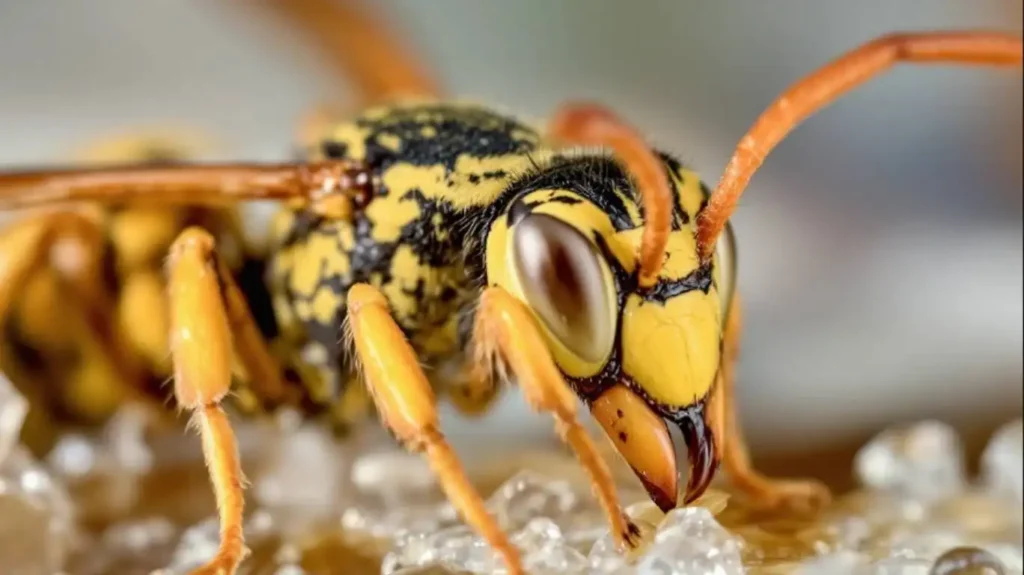
      Yellow jackets are a Vespula species that build underground nests in Milton yards. Their scavenging behavior peaks in late summer due to low food attraction near the colony. Aggression level rises sharply when food gets scarce around August and September. Colony size can hit 5,000 workers by end of season

      Paper Wasps (Polistes)

      Paper wasps are a Polistes species that build an umbrella nest under eaves. Their open comb structure looks small but triggers a fast defensive response. Nesting type here is exposed, making removal tricky without proper gear. Low colony size does not mean low risk when disturbed.

      Bald Faced Hornets

      Bald faced hornets belong to the Dolichovespula maculata family found across Ontario. Their football shaped nest hangs from tree canopy nesting spots near rooflines. One single nest holds up to 700 workers with very strong territorial defense. Seasonal activity runs from late spring right through early fall.

      Mud Daubers Solitary

      Mud daubers are a Sceliphron species that build small mud nest tubes on walls. Their main job is spider hunting, which actually helps control spiders nearby. Solitary by nature, they rarely sting unless directly handled by someone. We still remove them safely when nests appear near doors or windows.

      Why Wasps Keep Coming Back to Milton Properties

      eco-friendly

      Food Sources

      Wasps hunt protein for larvae and sugary liquids for adult energy. Garbage bins left open and outdoor dining areas draw foragers fast. Fallen fruit in the yard is one of the biggest environmental attractants on any property. Remove these food triggers and you cut return visits by a lot.

      eco-friendly

      Structural Nesting Opportunities

      Roof soffits and siding gaps give wasps a wind protected spot to build. Attic vents without proper screens are an open door for new colonies. Deck cavities underneath boards stay warm and hidden all season long. Nesting site reuse happens when old scent markers guide new queens back each spring.

      eco-friendly

      Moisture and Water Access

      Wasps use condensation and standing water to soften wood fiber for nest building. Bird baths and leaking irrigation systems give colonies a steady water supply nearby. Fixing moisture sources cuts one key reason wasps return to the same yard. Dry conditions push them to find easier spots elsewhere.

      Our Milton Wasp Nest Removal Process

      Step 1: Same Day Property Inspection and Species Identification

      A proper pest inspection starts with species identification before anything else. We track flight activity to complete nest mapping across your full property. Colony size estimation tells us how aggressive the treatment needs to be. Thermal detection helps spot hidden nests inside walls before treatment begins.

      Step 2: Safety Assessment and Equipment Preparation

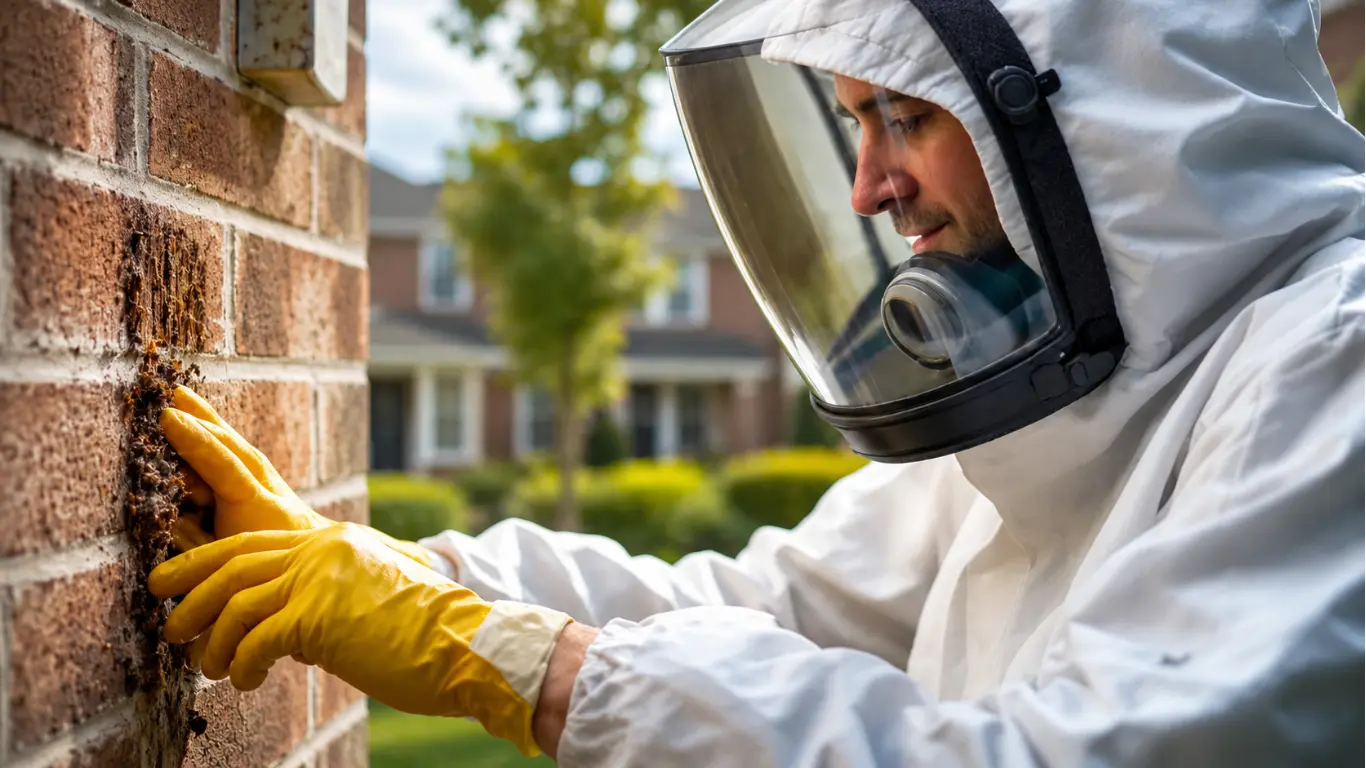
      Every tech suits up fully in a protective suit and respirator before getting close. Ladder stabilization on uneven ground prevents falls near aerial nests above rooflines. Stinging risk drops sharply when gear is checked before any movement near the nest. No shortcuts happen here, even for small colonies

      Step 3 Targeted Treatment Based on Nest Type and Location

      Nest injection pushes residual insecticide dust deep into cavities and underground nests. Aerosol wasp spray handles exposed aerial nests with fast knockdown at safe range. Colony treatment targets the entry point first to stop workers from escaping outward. Each nest type gets a method that matches its exact location and size.

      Step 4 Physical Nest Removal and Structural Sealing

      Mechanical extraction pulls the dead nest out fully after colony treatment confirms activity has stopped. Every removed nest goes straight into a containment bag following our safe disposal protocol. Removal differs from neutralization because live nests need treatment first before any physical handling. Structural sealing closes off the gap so no new queen moves in next spring

      Step 5: Treatment Guidance and 24 to 72 Hour Activity Expectation

      Residual colony activity continues for 24 to 72 hours after treatment ends outside. Worker return cycle brings foragers back to the nest site even after full nest extraction. You’ll see dying worker wasps on the ground during this normal wind down period. Stay clear of the treated zone for at least one full day after service.

      Step 6: Follow Up Inspection and Prevention Consultation

      Recurrence monitoring happens during our follow up visit after the first treatment clears. Prevention consultation covers exactly which zones on your property need attention each season. Structural repair recommendations target gaps that could invite a new colony next year. Seasonal prevention planning keeps Milton homes protected well past the summer months

      Wasp Nest Removal Toronto dress

      Wasp Nest Removal Cost in Milton

      Nest size and nest accessibility are the two biggest drivers of service cost in Milton. Wall cavity nests and underground nests cost more because they need extra tools and more time to treat. Structural location matters too since a nest near a roofline requires full ladder access and added safety steps. Price depends on property size as larger yards may hide multiple nests needing separate visits. We give honest quotes upfront so you never get a surprise number at the door

      Why Milton Homeowners Choose Pestiseed Pest Control

      Milton homeowners pick Pestiseed because our local technicians actually know this area well. Our response time beats most competitors, with same day service available for urgent nest problems. Customer reviews from real Milton families back up every promise we make on this page. Our local wasp experts also handle emergency wildlife removal with a full 24/7 wildlife response line ready year round. Every job comes with guaranteed exclusion so you know the problem stays gone for good.

      Why Our Wasp Removal Technicians Are Professional Trained

      eco-friendly

      Workplace Hazardous Materials Training

      Every technician holds a valid WHMIS certification before touching any chemical on site. Pesticide handling training covers safe mixing, application, and storage on every job. Most companies skip this level of detail and just hand someone a spray can. Knowing what’s in the product matters just as much as knowing how to use it.

      eco-friendly

      Transportation of Dangerous Goods

      TDG certification makes sure our team moves pesticides legally and safely on Milton roads. Every vehicle carries products stored and labeled under Transport Canada rules without exception. This training protects your neighborhood, not just the technician inside the truck. Most local companies never mention this step at all.

      eco-friendly

      Ladder Safety and Fall Protection

      Ladder safety training covers angle, surface, and load limits before any aerial nest removal. Working near rooflines without fall protection puts both the tech and your property at risk. Our team completes hands on fall protection training as a required part of field certification. You’ll never see one of our techs on a wobbly ladder propped against a gutter

      Wasp Prevention for Milton Homeowners Seasonal Action Calendar

      Inspection and Sealing Season Early Spring

      Overwintering queens wake up in early spring and start looking for a build spot. Queen emergence happens fast once temperatures hit around 10 degrees Celsius in Milton. This is the best time to seal gaps before nest initiation even begins. Catch a spring queen wasp early and you stop an entire colony before it starts

      Early Intervention Window Late Spring

      Worker wasp population starts building quickly once the queen lays her first eggs. Early nest growth stays small enough in late spring to treat with minimal risk. Spotting a golf-ball sized nest now saves you a much bigger job in July. Colony growth moves fast, so acting in this window makes a real difference.

      High Risk Period Mid to Late Summer

      Colony peak hits hard between July and August across Milton properties. Aggressive defense kicks in strong because the colony now has thousands of workers guarding it. Peak activity near outdoor spaces makes this the most dangerous time to disturb a nest. Most stinging incidents we see happen right in this window every single year

      Post Season Sealing Fall

      Colony collapse begins in fall as worker wasps die off and food runs out. Queen dispersal sends new queens into walls and wood gaps to wait out winter. Sealing cracks in fall blocks overwintering queens from setting up inside your home. Skip this step and next spring starts the whole cycle all over again.

      jeep for pestiseed

      Milton Neighbourhoods and Service Areas We Cover

      We serve all of Milton Ontario including busy neighbourhoods like Beaty, Clarke, Dempsey, and Timberlea. Wasp nests show up differently across each area depending on property age and tree coverage nearby. Our team covers the full Halton Region and extends into surrounding municipalities when needed. No matter which part of Milton you’re in, a local tech reaches you fast.

      Ajax

      Aurora

      Barrie

      Bolton

      Bradford

      Burlington

      Caledon

      Cambridge

      Cookstown

      Etobicoke

      Georgetown

      Guelph

      Hilton Hills

      Hamilton

      Innisfil

      King City

      Kleinburg

      Mississauga

      Newmarket

      Nobelton

      North York

      Oakville

      Ottawa

      Oshawa

      Richmond Hill

      Scarborough

      Schomberg

      Book Your Free Wasp Nest Removal Consultation in Milton

      Our free inspection is not just a quick look around your yard. Every wasp nest inspection starts with full species identification and nest accessibility check on your property. We complete on site evaluation covering nest location mapping, colony size, and a detailed risk assessment before recommending anything. Same day scheduling means your wasp exterminator Milton appointment fits your week without Risk. Book today and get a real diagnosis, not just a sales call.

      Don’t hesitate ask us about our work!

      Frequently Asked Questions

      Professionals wear full protective gear and apply insecticide dust directly into the nest. Pestiseed technicians neutralize the colony first before any physical removal begins safely

      Early spring is best because the wasp colony lifecycle just starts and nests stay small. Acting before overwintering queens build full colonies makes removal faster and much safer.

      Most jobs take 30 to 60 minutes depending on nest size and location. Hidden nests inside a structural void or soffit nesting spot may need extra inspection time.

      Yes. Pestiseed holds a valid license under Ontario pest regulations for all wasp treatments. Every technician meets provincial standards for pesticide handling and safe aerial nest removal

      The colony grows fast and defensive swarm behavior becomes a serious risk by midsummer. A subterranean nest or cellulose nest material structure expands weekly, making late removal much harder