If a raccoon approaches you, stand tall, make noise, and back away slowly. Do not run or feed it. Use light or sound to scare it. Call Wildlife removal services if it shows signs of illness or aggression. Raccoons in Toronto are getting bolder every single season. A raccoon walking toward you is not being friendly at all. Food conditioning, loose garbage, and warm shelter spots pull them straight to your door. Knowing why they approach helps you react the right way before things escalate fast.
Raccoon attacks are rare but real, especially near dens or when pets get too close. A cornered raccoon bites hard and scratches deep without much warning at all. This guide covers every real situation, from a backyard visit to a full swarm charge. Pestiseed Pest Control has resolved hundreds of Toronto raccoon cases using proven field methods, not guesswork.
What Should You Do Immediately When a Raccoon Approaches?
At 30 ft, a raccoon (Procyon lotor) is simply watching you. This human wildlife encounter feels alarming, but stay calm. Back away slowly to reset the escape distance. That one move changes everything.
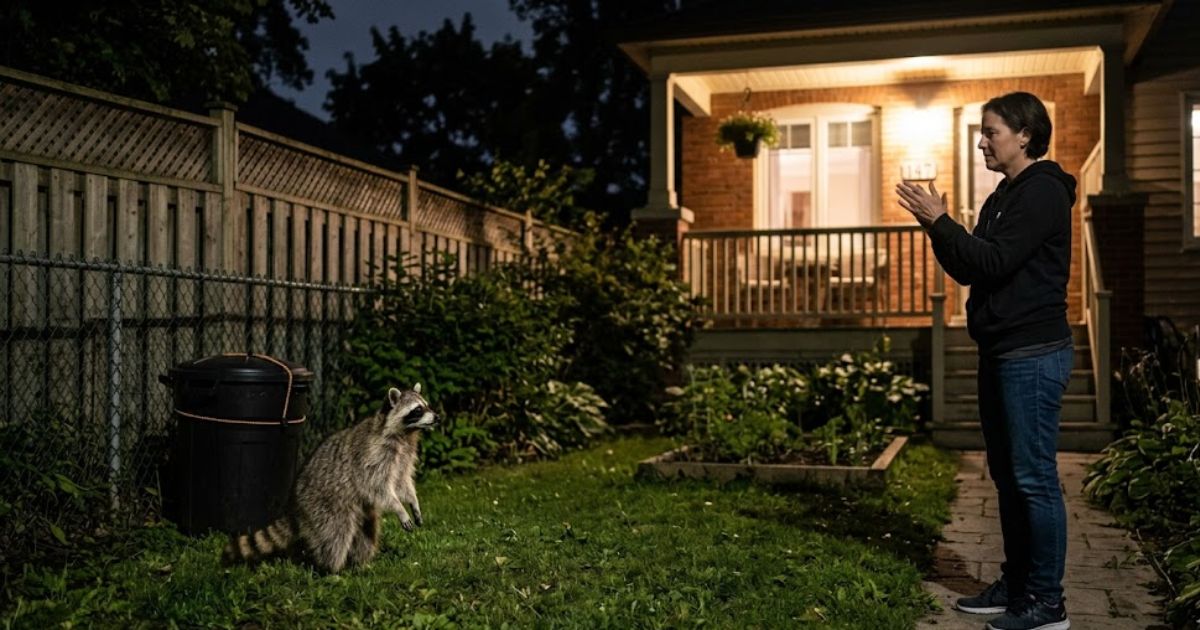
At 15 ft, defensive wildlife behavior starts showing up fast. We’ve seen Toronto raccoons display hazing behavior like hissing or stomping. At 5 ft, this urban wildlife interaction turns dangerous quickly. Loud claps or a firm voice are your best wildlife deterrence tool.
Why Do Raccoons Approach Humans?
Food Tricks Raccoons Into Trusting You
Urban raccoon behavior shifts once pet food is left outside regularly. Anthropogenic food sources like garbage attractants and bird feeders create learned feeding behavior fast. Wildlife food conditioning works through food reward reinforcement deep in their brain. Urban raccoon intelligence lets them remember which Toronto yards gave food before.
Why a Nesting Raccoon Charges Without Warning
Breeding season in Toronto runs February through June. Near her raccoon den, a female shows maternal aggression fast. Seasonal aggression peaks when kits are very young. Den protection and offspring survival push her to charge even large animals.
How Can You Tell if a Raccoon Is Dangerous?
Normal Raccoon Behavior
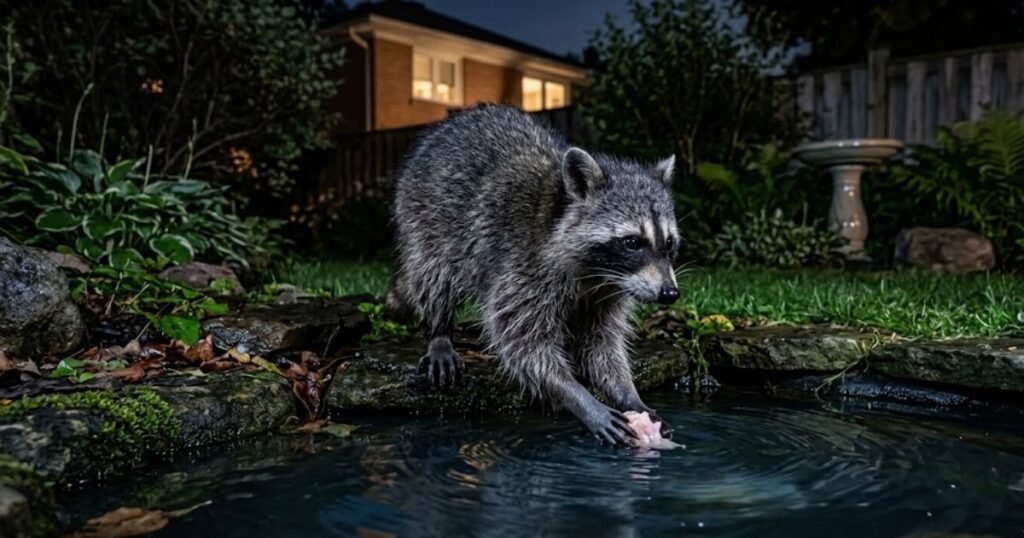
Smart raccoon threat assessment starts by reading their body language first. Healthy raccoons rely on nocturnal foraging and show strong avoidance behavior around people. A wide curiosity distance and quick tree climbing both signal a calm, healthy animal. Scavenging behavior near trash usually ends with a fast retreat response.
Warning Signs of Aggression
Bluff charging means a raccoon rushes toward you then stops short. Raised fur, growling, and lunging are clear wildlife behavioral signals you must not ignore. That defensive vocalization sounds like a sharp bark or loud hiss. A full threat display paired with an aggressive display means back away fast.
Signs of Rabies or Distemper
Rabies virus and canine distemper virus both cause serious neurological infection in raccoons. Daytime activity, drooling, and disorientation are the three biggest red flags to spot. These neurological symptoms from rabies infection erase their natural fear of humans completely. We called Toronto Animal Services the same day, no waiting.
What Should You Do if a Raccoon Gets Too Close?
Use Hazing Techniques
A proper hazing protocol teaches raccoons that humans aren’t safe targets. Stand tall and project clear intimidation signals with strong body posture. Shouting, stomping, and clapping all count as solid behavioral deterrence moves. A human dominance display using flashlight use works great after dark.
Objects That Safely Deter Raccoons
Motion sensor lights and water spray deterrents create an instant stimulus response. Every sudden burst builds fear conditioning that keeps raccoons moving away. Noise devices deliver sharp noise deterrence without you stepping outside at all. That steady retreat pressure trains raccoons to skip your Toronto yard entirely.
What Should You Do if a Raccoon Attacks?
Real wildlife attack defense starts with knowing attacks are extremely rare. A calm, standing adult rarely triggers a charge. Raccoons prefer escape. Use a bag, jacket, or stick as a quick barrier against any raccoon bite injury. Get indoors fast and call Toronto Animal Services right after.
Any bite or scratch risks rabies exposure and possible zoonotic disease transmission to your bloodstream. Wash the wound hard with soap and water for ten full minutes. See a doctor the same day, no delays allowed on this one. Fast medical action after any animal contact cuts your infection risk sharply.
What Should You Do if a Raccoon Approaches Your Pet?
Protect Dogs
Raccoon vs dog conflict starts the moment your dog lunges forward. Dogs trigger a fast territorial defense reaction that turns ugly quickly. Use strong leash control and a firm recall command before things escalate. A predatory reaction from a cornered raccoon can seriously injure your dog.
Protect Cats
Outdoor cat predation risk jumps sharply after dark in Toronto yards. Raccoon territorial disputes with cats usually happen near food bowls or fence lines. Raccoon vs cat conflict is less common but still dangerous at night. Keeping cats inside after dark is the single most effective fix.
Encounter Scenarios and How to Respond
Raccoon in Your Yard
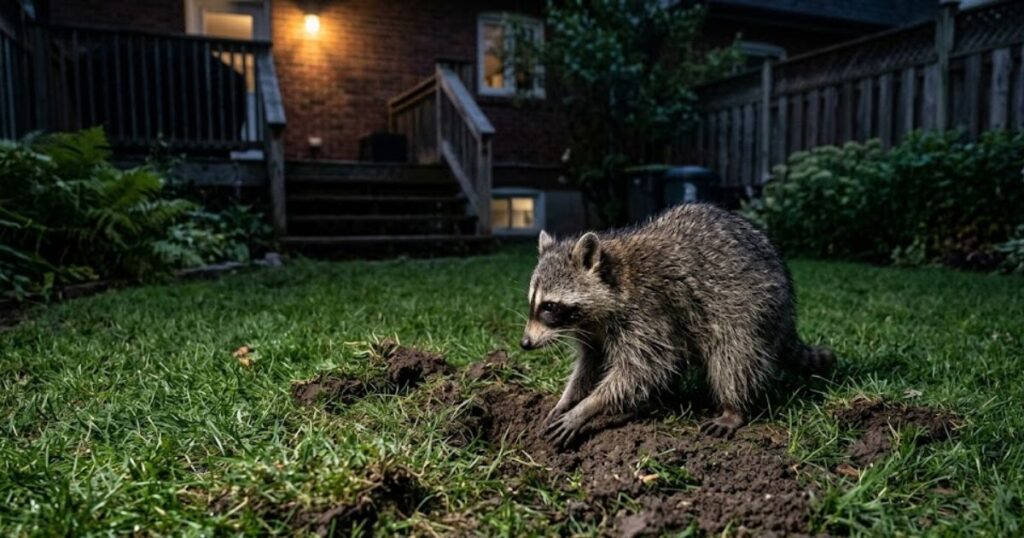
Backyard attractants like open garbage containers pull raccoons in every single night. Urban raccoon encounters happen most when bins sit unlocked near the back door. Secure your trash and remove any food scraps before sunset. That one step cuts most yard visits fast.
Raccoon on a Hiking Trail
Trail encounters spike near campsites with open or unsecured food. Smell is everything to a raccoon. Outdoor wildlife encounters on Toronto trails spike when hikers leave snacks out. Store all food in sealed bags hung away from your campsite. Raccoons track smell, so no smell means no visit.
Raccoon Near Your Home Entrance
Porch encounters happen because raccoons seek warm shelter near buildings after dark. Nighttime wildlife activity peaks between 9 PM and 3 AM near home entrances. Block gaps under porches and stairs before the cold season hits. We always check entry points around foundations during fall inspections.
What Mistakes Make Raccoon Encounters Worse?
Feeding wildlife is the fastest way to create a bold, fearless raccoon. Raccoon conflict escalation almost always starts with a human offering food first. Neighbors in Toronto do this thinking it’s kind, but it backfires badly. That single habit turns a shy animal into a pushy regular visitor.
Cornering animals near fences or walls triggers an instant fight response. Panic reactions like screaming and running make the situation much worse fast. A raccoon reads fast movement as a threat and reacts hard. Stay calm, stand firm, and give it a clear path to leave.
How to Prevent Raccoons From Approaching Your Property
Remove Food Sources
Food source removal starts with locking down garbage management every single night. Raccoons target calorie dense scraps, so tight compost control cuts their main reward fast. Raccoon prevention really begins the moment you deny them an easy meal. No food signal means no reason to visit your Toronto yard.
Secure Structures
Raccoons exploit weak attic entry points and open crawl space openings easily. Wildlife exclusion works best when you seal gaps before the fall season hits. We check rooflines and foundation edges during every Toronto property inspection. Habitat modification at the structural level stops den seeking behavior cold.
Install Wildlife Deterrents
Motion lights startle raccoons and break their comfortable nighttime routine instantly. Ultrasonic deterrents send high frequency signals that raccoons find deeply uncomfortable. Pair both systems together for a much stronger stimulus based barrier around your home. Switch deterrent types every few weeks. Raccoons adapt fast to one signal.
Quick Safety Checklist for Raccoon Encounters
Follow this encounter response checklist the moment a raccoon gets too close. This wildlife safety protocol keeps every Toronto resident calm, safe, and in full control fast.
- Stop moving and The moment a raccoon gets close, stop moving and stand tall with arms raised wide.
- Clap loudly and shout in a firm voice. Then back away slowly, never turn your back.
- Back away slowly without turning your back on the animal.
- Remove pets from the area before the raccoon gets closer.
- Call Toronto Animal Services if the animal looks sick.
Why Choose Pestiseed for Raccoon Approach Control
Most Toronto homeowners try DIY fixes before calling a raccoon removal service. Sprays, traps, and decoys rarely work long term without a full property assessment. Raccoons simply find another weak spot and move right back in. A proper exclusion plan seals the problem at the source, not just the surface.
Our wildlife technicians check every entry point, food trigger, and shelter zone and nothing gets skipped. We use humane exclusion methods that meet Toronto’s municipal wildlife guidelines — and pass city inspection. After closing off weak spots, we install deterrent systems that survive harsh Toronto winters. Most clients stop seeing raccoon activity within the first two weeks after service.
FAQs About Raccoon Encounters
What to do if a raccoon stares at you?
A staring raccoon performs a raccoon threat assessment of its surroundings. Stand still, avoid eye contact, and back away slowly. Give it a clear escape path. Call Pestiseed if it stays.
What does it mean when a raccoon approaches you?
It usually signals food expectation from past human feeding nearby. Curiosity behavior also drives bold approaches in urban Toronto yards. Never feed it. Contact Pestiseed for safe removal help.
Do raccoons get attached to humans?
Raccoons develop habituation through repeated contact and food rewards. Once comfortable, they just find another weak spot and come right back.
Do raccoons sleep in the same place every night?
Raccoons use raccoon den rotation across multiple urban den sites weekly. They rarely sleep in one spot two nights straight. Attics and crawl spaces become favorite Toronto winter dens fast.
How many raccoons live together in a den?
Raccoon family groups typically include a mother and four to five kits. Litter size averages three to seven young per breeding season. Pestiseed safely removes entire family groups from Toronto properties.
Need Help With Raccoons on Your Property?
Raccoons scratching at your roof or raiding your yard need professional attention fast. DIY fixes delay the problem and often make the animal bolder over time. Wildlife removal services step in when repeated visits, structural damage, or sick behavior appear. That is the clearest sign to stop waiting and call a trained team.
Pestiseed Pest Control delivers humane raccoon control across Toronto with zero guesswork involved. We assess entry points, behavior patterns, and risk zones in one thorough site visit. After the inspection, we build a removal and exclusion plan built for your exact property. Book your assessment today and take your yard back for good.