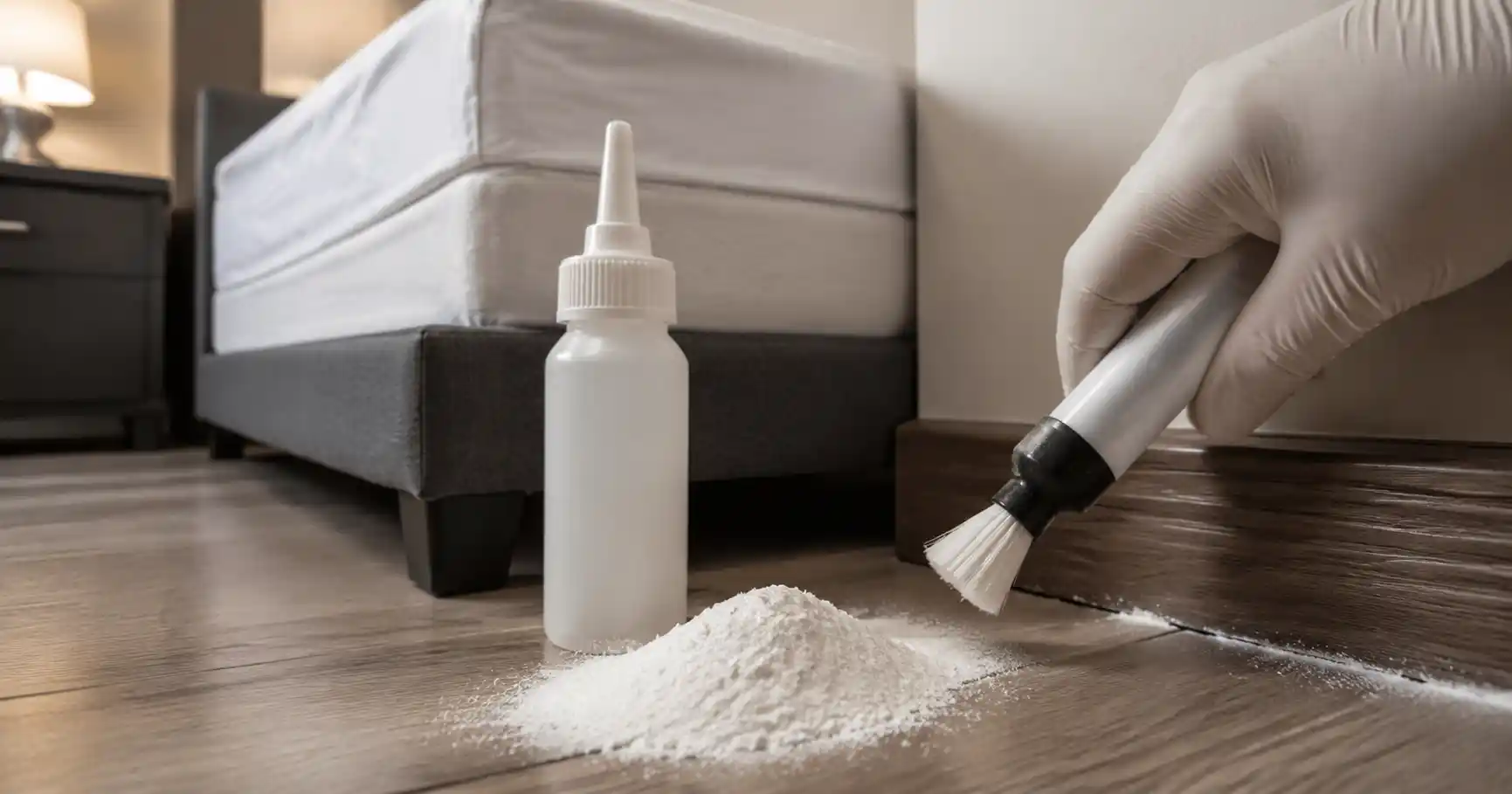
Silica gel kills bed bugs but most Toronto renters apply it wrong, buy the wrong grade, or miss the zones where bugs actually hide. Health Canada’s PMRA requires any silica gel used indoors to carry a PCP registration number of registered products that have no legal pest control status in Ontario. This guide covers the physical kill mechanism, correct application zones from mattress seams to shared wall voids, seasonal timing for Toronto winters and summers, tenant rights under RTA Section 20 and the full 3 to 4 week treatment cycle from first application to colony elimination.
What silica gel does to bed bugs at the physical level
How the Exoskeleton Absorbs the Dust and Loses Moisture
3 layers make up the Cimex lectularius exoskeleton, the epicuticle, procuticle, and cuticular lipid coat. Silica gel particles stick to the lipid coat on direct contact. Body fluid loss starts within hours. Nymph cuticles are thinner than adult cuticles nymphs dehydrate faster. Death follows in 24 to 48 hours under sustained exposure, per Harrison County Extension data.
Why Amorphous Silica Gel Works When Crystalline Silica Does Not
2 forms of silicon dioxide exist amorphous and crystalline. Structure separates them entirely. Amorphous silica has a porous, randomly organized surface that absorbs moisture fast. Health Canada classifies crystalline silica as a respiratory hazard never safe for indoor use. The product label must state amorphous before use in any Toronto home.
Health Canada registered silica gel products available in Ontario
CimeXa Availability and Legal Status in Canada
CimeXa by Rockwell Labs contains 92.1% amorphous silicon dioxide, the highest concentration of desiccant dust available for bed bug control. Canadian buyers must check the product label for a PCP registration number before purchase. No PCP number means the product has no legal pest control status under Health Canada’s PMRA. Verify CimeXa’s Canadian registration at the PMRA database before ordering from Amazon or any Ontario retailer.
Food Grade vs Pest Control Grade Silica Gel for Canadian Homeowners
Food grade silica gel packets contain only 20 to 40% silicon dioxide far too low to kill bed bugs through desiccation. Pest control Etobicke grade silica gel carries 90%+ SiO2 concentration. Food grade packets are not registered pesticides under Canada’s Pest Control Products Act. Grinding cat litter silica as some websites suggest is legally incorrect in Ontario. Only PCP Act registered pest control grade silica gel works and complies with Health Canada rules.
How Toronto housing conditions affect where you apply silica gel
Apartment Units, Shared Walls, and Baseboard Harborage Points
Bed bugs in Toronto rental apartments travel through shared wall voids and plumbing chases between units. Adult bed bugs measure 4.5mm wide thin enough to fit through a baseboard gap. Apply silica gel along the entire baseboard perimeter, at every floor to wall junction, and inside electrical outlet cavities after removing the cover plate. Scarborough and North York high rises show this transmission pattern most often.
Seasonal Timing for Silica Gel Treatment Winters and Summers
Toronto winters push bed bugs deeper into wall voids and heating ducts from November through February. Forced air heating systems maintain 20 to 22 degrees Celsius inside ducts and bed bugs stay active there all winter. Surface applied silica gel loses contact opportunity in cold months. Toronto summer humidity reaches 60 to 80% in July and August high moisture reduces desiccant kill rate. Treat in spring or early fall for best silica gel performance.
Preparation steps before applying silica gel in a Toronto home
Vacuuming, Laundry and Clutter Removal Before Any Dust Application
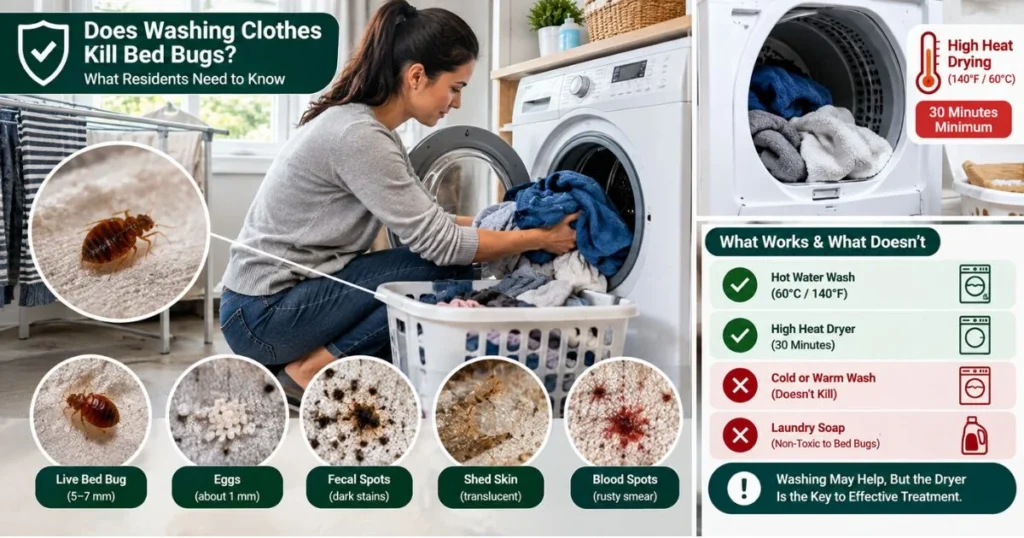
A HEPA vacuum with a crevice tool targets mattress seams, box spring folds, baseboard crevices, and furniture joints before any silica gel goes down. Seal the vacuum bag immediately and take it to the outdoor bin. Bed bug eggs glue to surfaces vacuuming removes loose debris only. Run all washable fabrics through a high heat dryer cycle for 30 minutes minimum to kill every life stage.
Protecting Children and Pets From Airborne Silica Dust Indoors
Silica gel dust irritates the respiratory tract, eyes and skin during application indoors. Wearing an N95 mask it filters particles down to 0.3 microns, covering the full silica dust range. Nitrile gloves stop the desiccant from drying out skin on contact. Keep children and pets out of the treated room for 2 to 4 hours until airborne particles settle completely. Health Canada confirms amorphous silica is a physical irritant only not a carcinogen at residential levels.
Step by step silica gel application for bed bugs
How to Apply Thin, Even Layers to Mattress Seams and Bed Frames
Use a bulb duster with a 6 inch extension tip along the full mattress seam perimeter top, bottom, and sides. Apply inside box spring folds, bed frame joints, slat grooves and the headboard gap. The dust film must be barely visible to the naked eye. Visible white powder means too much. Never apply silica gel to the mattress sleeping surface where skin makes direct contact.
Baseboards, Electrical Outlets, Furniture Joints and Wall Voids
Turn off the circuit breaker first, then remove the outlet cover plate with a flathead screwdriver. Apply a thin dust layer inside the electrical outlet cavity, then replace the cover. Run one bulb duster pass along the full baseboard perimeter at the floor junction every infested room needs 360 degree coverage. Treat dresser drawer tracks, nightstand joints and sofa leg joints as secondary harborage zones.
How Long Silica Gel Stays Active and When to Reapply
Silica gel stays active indefinitely in dry indoor conditions. Water contact deactivates it but full strength returns within 3 to 5 hours after drying out completely. Oily or greasy residue permanently deactivates amorphous silica gel and reapplies fresh product immediately. Wet mopping or spray cleaners remove the dust layer and reapply after every cleaning. Reinspect at 7 days, then again at 14 days, to confirm active coverage remains.
What to expect after applying silica gel in Toronto
Timeline From 24 Hours to 14 Days and What Dead Bugs Mean
Adult bed bugs die within 24 to 48 hours of contacting silica gel dust. Nymphs die in the same window but only after hatching and crossing a treated surface. Eggs survive desiccants entirely. Eggs hatch in 6 to 10 days at room temperature, then nymphs must contact the dust. Full population elimination takes 3 to 4 weeks across all hatching waves.
Combining Silica Gel With Interceptors and Mattress Encasements
Place ClimbUp interceptors under every bed leg and furniture leg in the infested room. Encase both the mattress and box spring in covers with nymph proof zipper teeth rated for bed bug containment. Silica gel kills bugs crossing treated surfaces. Interceptors block host access. Continued live bug activity after 3 weeks of combined treatment means calling a professional for bed bug extermination in Toronto.
Still Seeing Bed Bugs After Using Silica Gel?
If live bed bugs continue appearing after repeated DIY treatment, hidden harbourage areas or reinfestation may be keeping the problem going. Pestiseed can help you explore professional bed bug treatment options for your Toronto or GTA home.
Licensed & Insured
Toronto & GTA
Professional Pest Control
Your rights as a Toronto renter during bed bug treatment
Ontario Residential Tenancies Act Obligations on Landlords
RTA Section 20 classifies a bed bug infestation as a landlord maintenance failure across all Ontario rental units. Send written notice to your landlord first email with date and photographs creates a valid LTB record. File a T6 Maintenance application with the Landlord and Tenant Board if the landlord fails to act.
What You Can Treat Yourself and What Requires Landlord Permission
Toronto renters can legally apply PMRA registered silica gel to personal furniture, mattresses, and the baseboard perimeter inside their own unit. Send written notice to the landlord before starting any self treatment that protects your LTB rights. Wall voids, shared laundry rooms, and hallways require landlord coordination. Tenants cannot access or treat structural wall voids, plumbing chases, or adjacent units without landlord permission.
FAQs
Does Silica Gel Kill Bed Bug Eggs?
Silica gel does not kill bed bug eggs. The egg’s outer chorion shell is impermeable; desiccant particles cannot penetrate it. Eggs hatch in 6 to 10 days, then nymphs cross the treated surface and die within 24 to 48 hours.
Is Silica Gel Safe to Use Around Children and Pets in Canada?
Amorphous silica gel is non toxic under Health Canada’s classification. Airborne dust irritates eyes and airways during application. Keep children and pets out for 2 to 4 hours until dust fully settles. Wear an N95 mask and nitrile gloves while applying.
How Is Silica Gel Different From Diatomaceous Earth for Bed Bugs?
Silica gel absorbs moisture through the bed bug cuticle killing 97.5% of adults within 24 hours. Diatomaceous earth scratches the cuticle mechanically and kills roughly 80% within 4 days. Silica gel is the faster desiccant under equivalent indoor conditions.
How Long Does Silica Gel Take to Kill Bed Bugs?
Adult bed bugs die within 24 to 48 hours of contact. Eggs survive, they hatch in 6 to 10 days and nymphs must cross the dust. Full colony elimination takes 3 to 4 weeks with reapplications at 7 and 14 days.
When Should Toronto Residents Call a Professional Bed Bug Exterminator?
Call a professional when biting continues after 3 weeks of consistent silica gel treatment. Deep wall void harborage and adjacent unit re-infestation always require coordinated professional bed bug extermination in Toronto. Heat treatment at 49 to 60 degrees Celsius kills all life stages including eggs.
Still Dealing With a Bed Bug Infestation?
Let Pestiseed Help You Find the Right Treatment
If silica gel and other DIY methods have not resolved the problem, professional treatment may help address hidden bed bugs and ongoing activity. Contact Pestiseed for a quote on bed bug extermination in Toronto and the surrounding GTA.
Licensed & Insured
Toronto & GTA
Pest & Wildlife Control