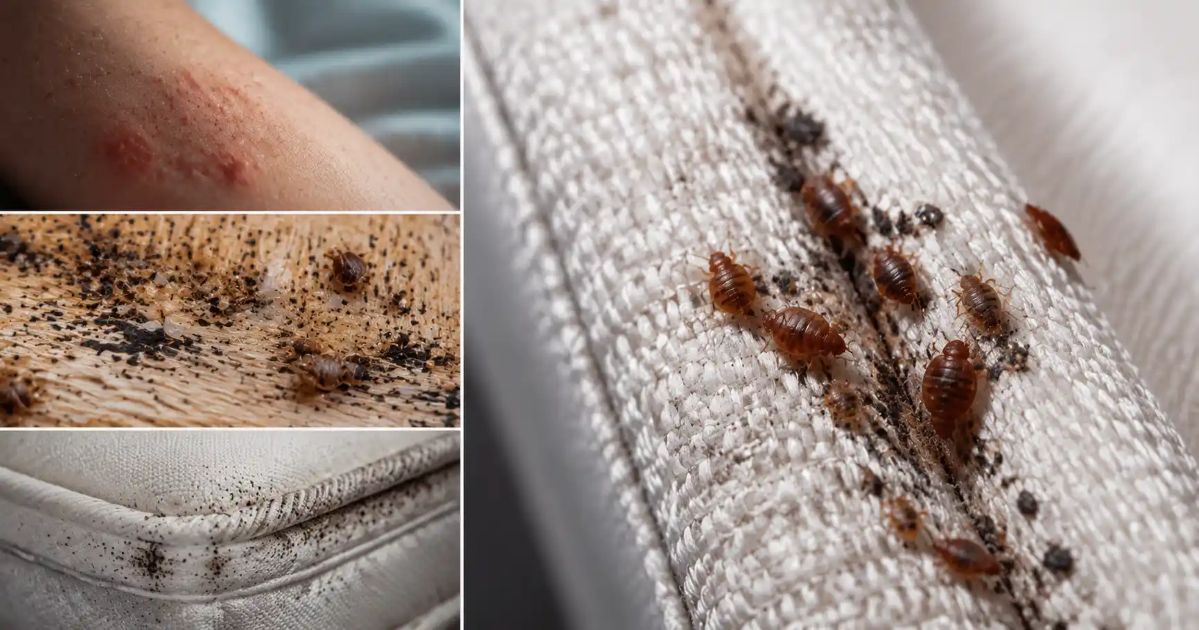
Bed bugs in Toronto don’t stay in one unit. One infested mattress seam spreads Cimex lectularius through pipe chase gaps and shared wall cavities to adjacent suites within 2 to 6 weeks. Most Toronto residents don’t spot the infestation early 25 to 30 percent show zero bite reactions, and nocturnal feeding between 1 and 5am means activity happens while you sleep. Fecal spots, shed exuvia, and pale yellow 1mm eggs appear long before bites do.
One female produces 500 eggs in her lifetime untreated populations don’t shrink, they multiply. Pestiseed confirms the infestation, identifies the harborage sites and eliminates every life stage using heat treatment at 49 to 57°C, residual chemical protocols, or Aprehend Beauveria bassiana biopesticide all Health Canada PCP registered. Ontario landlords carry full cost responsibility under RTA Section 20.
What Are Bed Bugs and What Do They Look Like
Physical Description and Life Stages of Cimex lectularius
Cimex lectularius passes through 5 nymphal moults before reaching adulthood. Each instar stage needs one blood meal to trigger the next moult. Eggs measure 1mm and appear pale yellow. First instar nymphs stay translucent until their first blood meal. Adults reach 4 to 5mm, turn reddish brown after feeding, and leave shed skins called exuvia inside mattress seams, box springs, and baseboards.
How Bed Bugs Feed and Why They Are Hard to Find
Bed bugs detect hosts through carbon dioxide and body heat gradients. They feed between 1 and 5am during deep sleep, with each feed lasting 3 to 12 minutes. Their flat body enters gaps as thin as a credit card. Post feed, they return to cracks, electrical outlets, and wall voids within 1.5 to 2.5 metres of the host. Toronto Public Health confirms nocturnal activity makes detection rare before populations spread across Ontario homes.
Signs of Bed Bug Infestation in Toronto Homes and Apartments
Physical Signs on Bedding, Furniture and Walls
Fecal spots on a Toronto mattress appear as 1mm dark ink dot stains that bleed into fabric and don’t wipe off. The same material on a wooden headboard frame sits on the surface and scrapes away cleanly. Pale yellow eggs cement directly onto surfaces and resist standard vacuuming. Live nymphs and shed exuvia hide inside box spring interiors, curtain rod brackets, and nightstand drawer tracks. Toronto Public Health confirms dark spotting near electrical outlet plates signals active harborage behind the wall.
Bite Patterns and Skin Reactions Toronto Residents Should Know
Bed bug bites appear as small red welts on exposed skin arms, neck, and shoulders most often. Anesthetic compounds in saliva delay the reaction by hours, meaning residents feel nothing during the actual feed. Bites cluster in groups of 3, following the breakfast lunch dinner pattern across one skin surface. 25 to 30 percent of Toronto residents show zero visible skin reaction after bites. An absence of marks does not confirm an absence of infestation scratched bites carry secondary infection risk from papular urticaria and impetigo.
Why Toronto Has One of the Highest Bed Bug Rates
High Rise Housing and Multi-Unit Buildings
Toronto condominiums spread bed bugs through gaps around electrical conduits and plumbing pipes inside shared walls. Laundry rooms, lobby seating, and elevator upholstery act as passive transfer points between residents. Units directly adjacent, above, and below an infested suite carry the highest spread risk. Under Ontario’s Residential Tenancies Act, building management holds a legal obligation to maintain pest free conditions. One untreated unit reaches neighboring suites within weeks without professional intervention.
Travel, Pearson Airport, and TTC as Spread Vectors in the GTA
Pearson International Airport Terminal 1 and Terminal 3 upholstered seating transfer bed bugs directly onto traveller clothing. Older TTC buses on GTA routes carry fabric upholstered seats with a named transfer surface zero competitors identify. Hotel mattress seams and luggage racks along the Mississauga hotel corridor near the airport carry consistent infestation risk. Canada protocol requires washing and heat drying all travel clothing immediately on return before storage. Inspecting all luggage seams outdoors before bringing bags inside cuts the primary introduction pathway into Ontario homes.
Health Effects of Bed Bug Bites on Toronto Residents
Physical Reactions From Mild Welts to Allergic Response
Bed bug bite reactions range from no visible mark to large urticarial plaques requiring medical care. Onset delays 1 to 3 days due to anesthetic compounds in saliva. Moderate reactions produce itchy raised welt clusters on arms, neck, and shoulders. Scratching broken skin introduces bacteria, producing impetigo or cellulitis within days. A rare severe response called a bullous reaction causes blistering no competitor names this documented clinical outcome.
Psychological Impact Including Sleep Disruption and Anxiety
Insomnia from bed bug infestation stems from fear induced wakefulness, not always active biting. Residents report hypervigilance feeling crawling sensations on skin even without confirmed bites. Children and elderly Ontario residents show higher psychological distress across documented infestation cases. After treatment, a small number develop delusory parasitosis, a persistent crawling sensation clinicians recognise as a separate post infestation condition. Anxiety and social isolation persist 3 to 6 months after confirmed elimination in many Toronto households.
Tenant and Landlord Rights Under Ontario Law for Bed Bug Infestations
What the Residential Tenancies Act Says About Landlord Responsibility
RTA Section 20 requires every Ontario landlord to keep rental units in good repair and free of pest infestation. Professional extermination costs fall entirely on the landlord, never the tenant. The Residential Tenancies Act sets no exact response deadline. LTB adjudicators treat 2 to 4 weeks as a reasonable action window in documented decisions. A written bed bug report from the tenant establishes the legal foundation for a T6 Maintenance Application at the Landlord and Tenant Board.
How Toronto Tenants File a Complaint at the Landlord and Tenant Board
T6 Maintenance Applications trigger after a landlord ignores written treatment requests within a reasonable time. Tenants file through the Tribunals Ontario website at a fee of CAD 53 a cost zero competitors currently disclose. Remedies include a landlord treatment order, rent abatement and compensation for documented costs. Toronto tenants hold a second complaint pathway connected directly to Municipal Licensing and Standards for a bylaw enforcement inspection. Both routes run independently and strengthen the tenant’s legal position at an LTB hearing.
Suspect Bed Bugs in Your Home or Apartment?
Dark spots, shed skins, or live bed bugs can indicate an infestation. Contact Pestiseed to discuss a professional bed bug inspection and suitable treatment options in Toronto and the GTA.
Bed Bug Treatment Options Available in Toronto
Heat Treatment and Its Advantages for Toronto Condos
Heat treatment raises condo air and surface temperatures to 49 to 57°C for 6 to 8 hours. Every egg, all 5 nymphal instars, and adult bed bugs die in one session. No chemical residue remains after treatment ends. Residents return the same day once the space cools below 30°C. Toronto condo dwellers benefit most from one session that causes less building disruption than a 3 visit chemical protocol.
Chemical Applications and Residual Spray for Multi-Room Infestations
Pyrethroid compounds disrupt sodium channels in the bed bug nervous system causing paralysis. Significant pyrethroid resistance exists in Canadian urban bed bug populations. Health Canada’s PMRA documents this risk. Desiccants like diatomaceous earth and silica gel destroy the waxy outer cuticle and bypass resistance entirely. Chemical treatment requires 2 to 3 visits at 14 day intervals timed to kill freshly hatched nymphs before reproductive maturity. All Ontario applications must carry a PCP registration number under Health Canada rules.
Aprehend Biopesticide as a Non Chemical Option in Toronto
Aprehend contains Beauveria bassiana strain GHA an entomopathogenic fungus registered under Canada’s Pest Control Products Act. Bed bugs walk through a spore barrier applied in travel paths. Spores adhere to the cuticle, germinate within 20 hours, and spread to harborage mates through direct contact. Colony level die off occurs over 3 to 5 days without residents vacating. Residual protection lasts 3 months making Aprehend the preferred option for Toronto schools, shelters, and homes with children or pets.
Preventing Bed Bugs in Toronto Condominiums and Rental Units
Travel Precautions After Visiting Hotels or Using TTC Transit
Hotel mattress inspections start before unpacking pull back bedding and check the mattress seam, headboard gap, and wall joint. Keep luggage on a metal rack, never on the floor or bed. Inspect rack surfaces first for fecal spots or shed eluvia. Older TTC buses carry upholstered seats, avoid prolonged contact and keep bags on your lap not the floor. All travel clothing goes straight into a hot wash cycle and 30 minute dryer run before storage.
Physical Barriers That Reduce Bed Bug Risk in Multi-Unit Buildings
Caulk seals along baseboards, pipe penetrations, and electrical outlet box gaps block the 3 primary wall travel corridors between Toronto condo units. Mattress encasements must carry a bed bug proof zipper rating waterproof covers are a different product category and don’t qualify. Place 4 interceptor traps, one under each bed leg talcum coated inner walls prevent escape after entry. An electrical outlet gasket seals the shared wall penetration point that zero competitors currently identify. A door sweep on the unit entrance eliminates the under door corridor from building hallways.
FAQs
Are landlords responsible for bed bug treatment costs in Ontario?
Yes. Under Section 20 of Ontario’s Residential Tenancies Act, landlords cover all professional treatment costs. Responsibility applies unless the tenant directly introduced the infestation through their own infested items.
How quickly do bed bugs spread in a Toronto apartment building?
One untreated unit spreads bed bugs to adjacent units within 2 to 6 weeks. Bugs travel through pipe chase gaps and shared wall cavities. Units directly beside, above and below the source unit face the highest risk during the first spread cycle.
What is the most effective bed bug treatment available in Toronto?
Heat treatment sustaining 49 to 57°C for 6 to 8 hours delivers the most complete single session result. It reaches all harborage sites simultaneously and kills every life stage including eggs. No chemical only treatment achieves this in one visit.
Do bed bugs go away on their own without treatment?
Bed bugs never self eliminate. One female produces up to 500 eggs in her lifetime. Untreated populations grow exponentially within weeks. Bed bugs survive months without a blood meal vacating a Toronto apartment temporarily does not end the infestation.
Book a Free Bed Bug Inspection in Toronto
Pestiseed serves Toronto, North York, Scarborough, Etobicoke, Mississauga and Brampton with free bed bug inspections. One untreated unit reaches adjacent suites within 2 to 6 weeks. Treatment options include heat treatment, residual chemical protocols and Aprehend bio pesticide all Health Canada PCP registered.
Think Bed Bugs Have Infested Your Home?Get Help From Pestiseed
Whether you’ve spotted signs on your mattress or are concerned about bed bugs spreading through an apartment building, Pestiseed can help you explore inspection and treatment options. Request a quote for bed bug services in Toronto, North York, Scarborough, Etobicoke, Mississauga, and Brampton.