✅ Humane Skunk Removal (ISHA Certified Handling)
✅ Odor Control & Spray Risk Prevention
✅ Entry Point Sealing & Long Term Prevention
✅ Affordable Skunk Removal Rates
✅ Same Day Emergency Skunk Removal

Oakville homes near Sixteen Mile Creek and Bronte Creek face steady skunk pressure. These ravine corridors give skunks a direct path into backyards. Our licensed wildlife technician holds a valid MECP licence under the Fish and Wildlife Conservation Act. A one way exclusion door follows every den assessment, without exception.
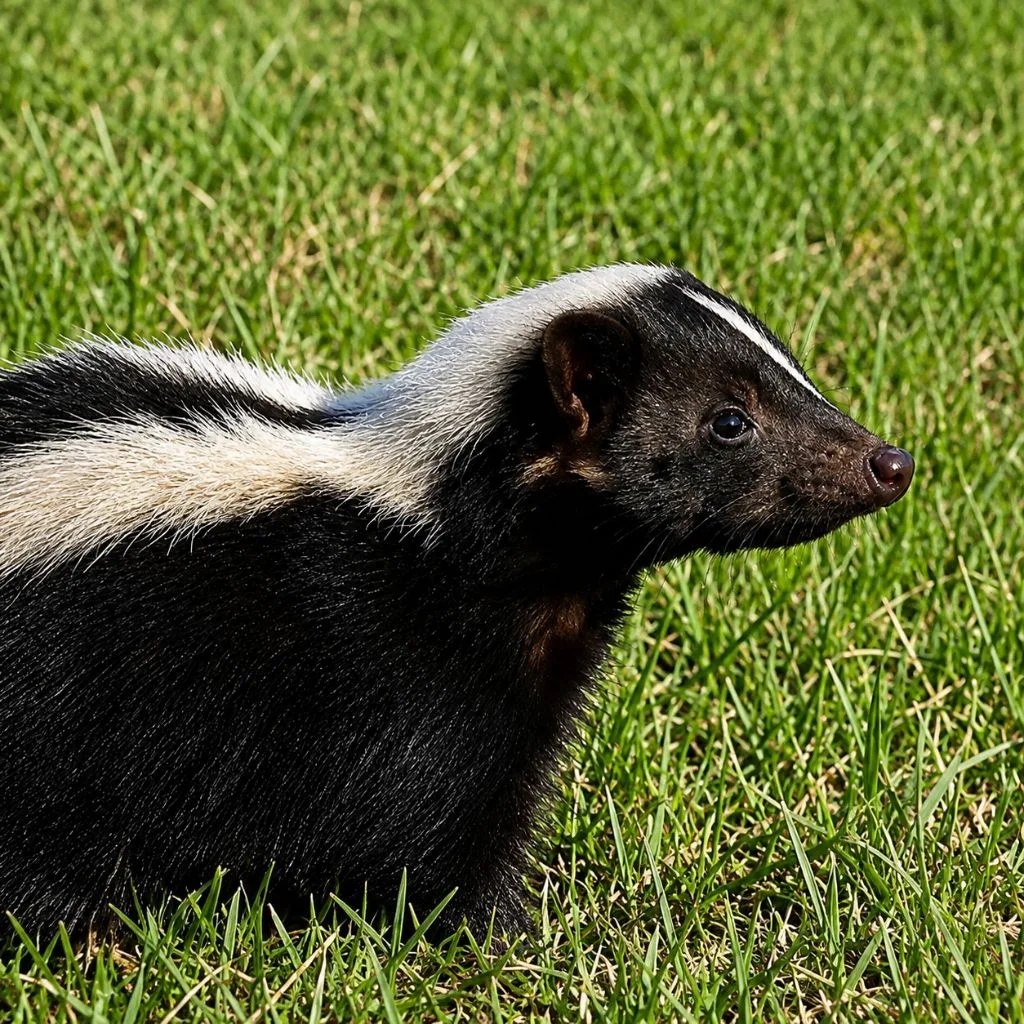
Humane skunk removal in Halton Region follows strict Ontario wildlife regulations. Our pest management professional carries WHMIS certification and SPMAO membership. The striped skunk, Mephitis mephitis, is the species behind nearly every Oakville call. Every skunk eviction protects your residential property without harming the animal.
Most pest firms skip WHMIS certification entirely. Our technicians follow full Workplace Hazardous Materials Information System standards. Every job uses Health Canada approved formulation with safety data sheet compliance. This certification stays current through annual renewal.
Chemical mishandling during transit causes real risk to your neighbourhood. Our team holds active TDG certification under Transportation of Dangerous Goods rules. Every product moves safely from the depot to your Oakville job site. Documentation accompanies every product on the route.
Roof and height work needs more than a ladder and good intentions. Our technicians carry IHSA certification from the Infrastructure Health and Safety Association. Every job meets full fall protection training and height safety compliance standards. This matters most on multi-story properties near Lakeshore Road.
A full property walkthrough confirms den entrance identification before any work begins. Our technician checks for recent use, skunk track identification, and scent presence at the entry point. Aged soffits and original woodwork gaps in Old Oakville heritage homes get extra attention during this stage. Confirmation happens before any exclusion door goes in.
Spray avoidance technique prevents musk discharge during every removal visit. A one way exclusion door allows self evacuation, following strict MNRF humane removal standards. Removal timing shifts to dusk, when skunks naturally leave the den to forage. This timing avoids startling a resting animal during daylight hours.
An L-shaped footer barrier paired with galvanised steel mesh seals every deck perimeter exclusion point. This barrier stops re-entry through the same gap permanently. Our 2 year exclusion warranty covers all secondary access point closures. Skunks that return to a familiar den site, common after winter dormancy, find the entry point gone.
Ambient skunk odour without a visible animal signals active denning nearby. Skunk musk contains thiols and sulfur compounds. These compounds cause structural odour saturation fast. A smell that lingers for days, not hours, points to a den close to your foundation. Odour intensity often spikes during mating season, when males travel wider territory searching for a mate.
Cone shaped digging patterns along your deck perimeter confirm skunk digging. Shed base excavation and displaced soil expose an active entry point. Skunks dig for grubs first, then widen the hole into a den. Ground level voids under decks and sheds are the most common target.
Nocturnal scratching beneath your floor signals active den activity below. Nighttime movement under the deck confirms after dark animal presence. Skunks stay nocturnal for most of the year. February through March mating season brings more daytime activity, even from typically nocturnal adults. Males may travel several kilometres from their winter den during this window, checking multiple properties for shelter.
Pet agitation near the deck is an early skunk warning sign. A dog sprayed by a skunk needs a hydrogen peroxide neutraliser applied immediately. Repeated agitation at the same spot, night after night, usually means a den sits directly below. Cats and dogs both react before homeowners spot any physical sign.

Oakville skunk removal covers Glen Abbey, Bronte, River Oaks, Iroquois Ridge, West Oak Trails, and Old Oakville. We serve detached homes, townhouses, and semi detached properties along Lakeshore Road and Trafalgar Road. Properties backing onto Sixteen Mile Creek or Bronte Creek see the highest call volume in the region, since both waterways run through established residential neighbourhoods year round.
Halton Region jobs include Burlington, Mississauga, Milton, and Halton Hills. We cover the full GTA south west corridor near both major creek systems. Bronte’s cluster of established homes near the creek mouth is one of our most frequent call areas for denning activity. Same day dispatch applies across every Oakville neighbourhood we serve.
A skunk denning on your Oakville property needs fast action, especially as mating season approaches each February. Call 437-771-8717 to book a no obligation assessment with a MECP licensed technician. Pestiseed provides same day service availability across most Oakville locations. Get your skunk removal quote and confirm your service area today.
Persistent odour at the structure, a visible burrow entrance, and freshly displaced soil confirm active denning. Pet agitation and nighttime scratching are strong secondary signs needing professional assessment.
Skunks rarely self vacate once denning is established. Spring return to the same den after winter dormancy is common. Attractant conditions left unchanged make repeat seasonal use almost certain.
Our spray free eviction method uses a one way door for self exit. A slow, non threatening technician approach prevents the foot stamping and tail raise warning signs entirely.
Yes. Every sealed entry point carries a 2 year warranty against re-entry. Post removal follow up confirms the exclusion barrier holds at each treated location.
Lawn grub population, unsecured garbage bins, open compost, and pet food left outdoors attract skunks. Ground level voids under decks provide shelter. Grub control treatment reduces the primary attractant significantly.