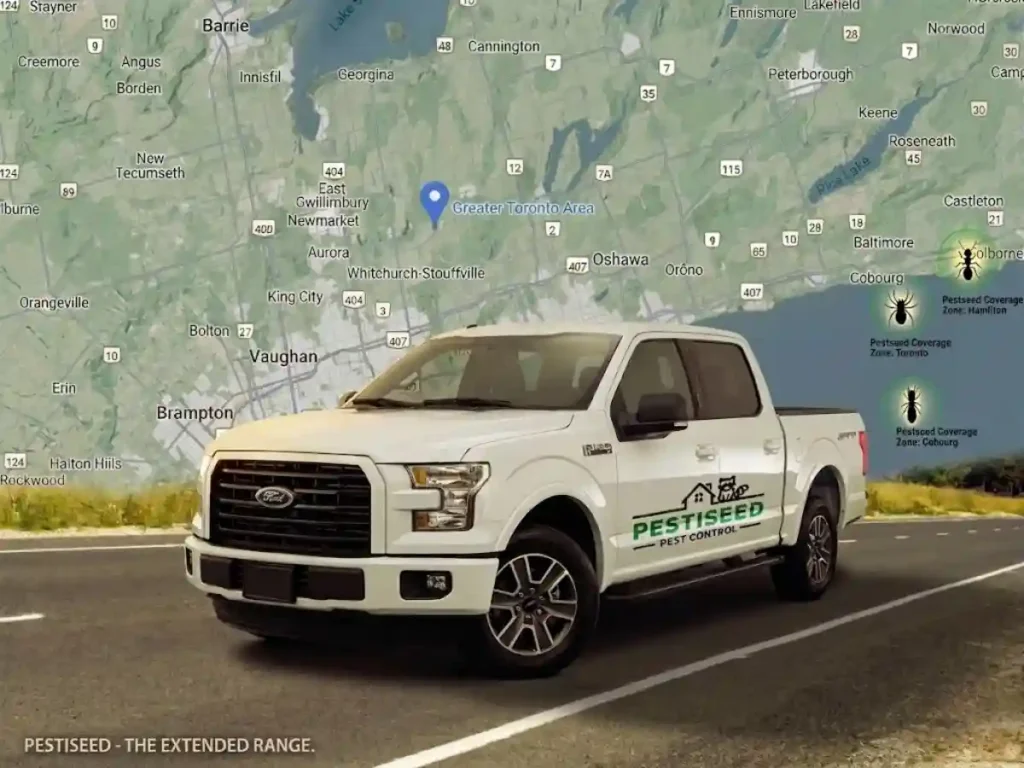
Professional wasp exterminator services vary based on several factors. Nest size affects the price significantly. Location matters too. Hard to reach spots cost more obviously.

We provide upfront quotes before starting any work. No hidden fees or surprise charges ever. Our licensed wasp exterminators in Toronto ensure fair pricing. You get quality service without breaking your budget.

Safe Wasp Nest Removal in Vaughan

Certified Safe Chemical Handling (WHMIS & TDG Compliant)

Complete Nest Removal — Not Just Surface Spraying

Ladder & Roof Safety Trained Technicians

Same-Day Emergency Wasp Nest Removal in Vaughan

✅24/7 Emergency Wildlife Removal vaughan

Google reviews

WHMIS Trained | TDG Trained | ISHA Wildlife Handling & Humane Removal Trained Technicians

    Quick Quote Request

    Pestiseed Pest Control Vaughan

    Safe Wasp Nest Removal in Vaughan

    Certified Safe Chemical Handling (WHMIS & TDG Compliant)

    Complete Nest Removal — Not Just Surface Spraying

    Ladder & Roof Safety Trained Technicians

    Same-Day Emergency Wasp Nest Removal in Vaughan

    ✅24/7 Emergency Wildlife Removal vaughan

    Google reviews

    WHMIS Trained | TDG Trained | ISHA Wildlife Handling & Humane Removal Trained Technicians

      Quick Quote Request

      Wasp Nest Removal Toronto dress

      Licensed & Trained Wasp Nest Exterminators Service in Vaughan

      Found a wasp nest around your home or business? Wasp nests hide in walls, roof gaps, and yard corners. A pest control technician spots them fast. Our team in Vaughan, Ontario follows every Ontario pesticide regulation closely. We carry a valid pest control license and full protective equipment on every job.

      Pesticide application here follows Health Canada PMRA guidelines strictly. Our structural pest management approach includes a full structural inspection before any treatment. Risk mitigation is built into every step we take. That keeps your family safe and meets all Integrated Pest Management (IPM) and Health Canada pesticide compliance standards.

      Emergency Wasp Nest Removal Services in Vaughan

      An active wasp nest grows fast, especially from August to September. That’s peak aggression season, and defensive colony behavior gets serious. A colony builds up to 5,000 workers by late summer. Wasps defend a 15 to 20 foot radius around their nest, so getting close feels risky fast.

      Same day pest control matters here because waiting makes things worse. Wall cavity nests and ground nests are the trickiest ones to spot safely. Aerial nest removal needs proper gear and a calm, trained hand. We handle every residential pest emergency with speed to protect full property safety before the colony size grows beyond control.

      Wasp Nest Removal Toronto 2

      Signs You Need Immediate Wasp Nest Removal in Vaughan

      eco-friendly

      Increased Wasp Traffic Around Your Property

      Wasp foraging near your yard follows a clear pattern. Wasps chase protein food sources like garden insects in spring. By late summer, they shift to sugar sources near outdoor garbage bins. Repeated wasp flight patterns along the same path usually point to a nearby colony entrance.

      Wasp activity near food spots is your first real warning sign. A steady trail of wasps means nest construction is already happening close by. Watch the flight direction carefully every time. That repeated path maps straight back to the nest location.

      eco-friendly

      Visible Nest Structures

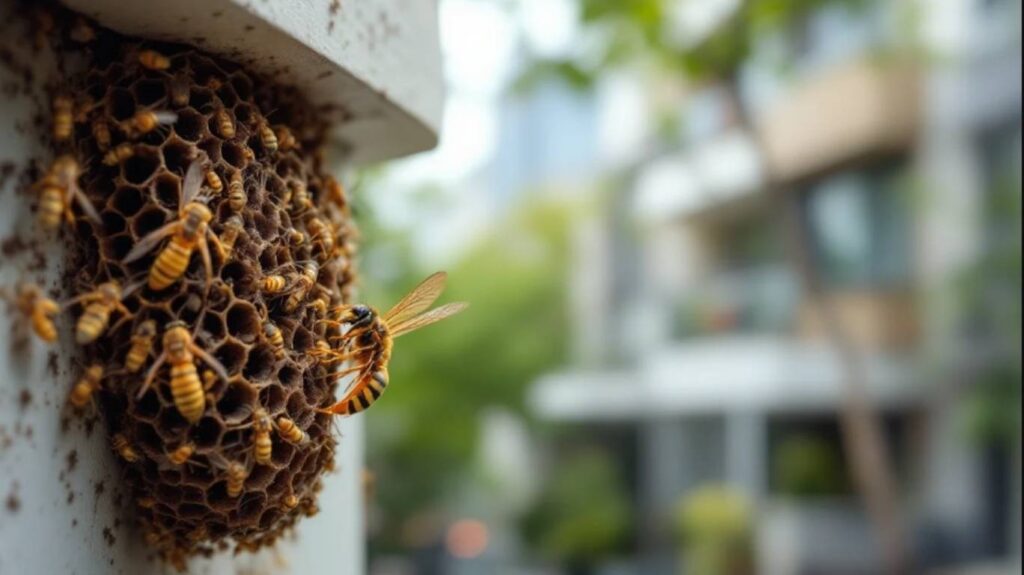
      A paper nest looks like layered gray cones hanging in quiet spots. Wasps build these by chewing wood into cellulose fibers, then forming a soft paper pulp. That comb structure expands fast once the colony grows. You’ll spot aerial nests under eaves, deck edges, or tree branches.

      Check soffits and siding gaps closely during warmer months. These tight spots give wasps a safe, hidden build zone. The nest material feels papery and light to the touch. Spotting one early saves a lot of trouble later.

      eco-friendly

      Aggressive Behavior Near Specific Zones

      Defensive wasp behavior kicks in the moment you enter their space. Most colonies protect a defensive perimeter of 10 to 20 feet around the nest. Colony protection gets stronger when the nest faces direct sunlight or wind. Any nest disturbance, even accidental, triggers fast group response.

      You’ll notice wasps circling the same corner of your yard daily. That repeated zone tells you their structural nesting spot is close by. Stay back and watch the pattern instead of getting closer. Knowing the zone helps our team treat it safely and fast.

      eco-friendly

      Buzzing From Inside Walls or Ceilings

      A low buzz from your wall is not your imagination. Wasp wings vibrate inside wall voids, and that creates a humming drywall vibration you can actually feel. Insulation cavities trap the sound and make it louder near vents. Attic ventilation gaps are one of the most common hidden entry points we find.

      Wall void nests grow quietly for weeks before anyone notices. By the time buzzing starts, the colony inside is already large. Structural nesting inside walls needs fast action before damage spreads. Waiting even a few days makes removal much harder and riskier.

      Common Wasp Species in Vaughan We Remove

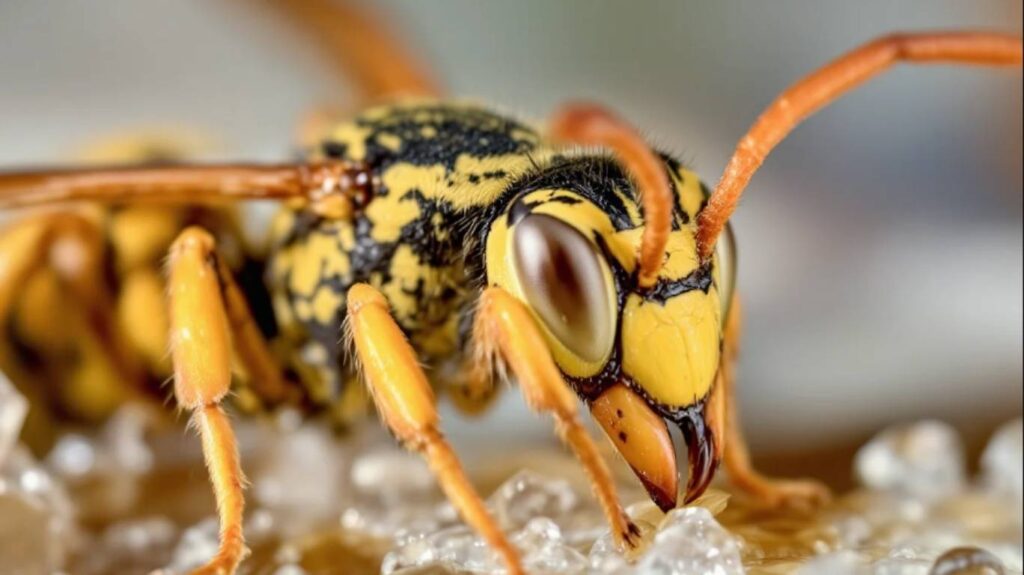
      Yellowjackets (Ground & Aerial Nests)

      Yellowjacket wasps from the Vespula species build underground colonies in lawn soil. They often take over old rodent burrows to start ground nests fast. Finding their entry hole is tricky since it blends into grass. We’ve pulled colonies from spots homeowners walked past for weeks.

      Ground nests grow to thousands of workers by late summer. Any vibration near the hole, like a lawnmower, triggers fast stinging. These belong to the Vespidae family and rank highest in aggression. Yellow jackets sting multiple times without stopping, which makes solo removal very risky.

      Paper Wasps (Polistes)

      Paper wasp colonies from the Polistes species build open comb nests with no outer shell. You’ll spot them under roof eaves and porch ceilings through spring. Unlike enclosed nests, open comb structure leaves every egg cell fully visible. That open design makes the colony easier to identify but still painful to approach.

      Polistes species show moderate aggression compared to yellow jackets. They sting when the nest area feels disturbed or threatened. Eave nests grow quietly until the comb spreads across a full overhang section. Catching them early in May saves a lot of discomfort later in the season.

      Bald Faced Hornets

      Bald faced hornet nests, built by Dolichovespula maculata, start small in June. By August, a single aerial nest in the tree canopy reaches basketball size or bigger. That large paper nest holds hundreds of highly defensive workers inside. Getting within 10 feet triggers an immediate group response.

      Spotting a gray, football shaped mass hanging from branches means act fast. These hornets defend a wider zone than most other Vespidae species. Their aerial nest location makes removal without proper gear genuinely dangerous. Early season removal is always the safer and smarter call.

      Mud Daubers Solitary

      Mud dauber wasps from the Sceliphron species build small mud tubes on walls and window frames. Each solitary wasp works alone, with no colony to defend. That means mud daubers rarely sting unless someone picks one up directly. Most people find them harmless once they understand solitary behavior.

      Mud tubes look messy but signal a low risk situation overall. No colony means no group attack response like yellow jackets deliver. Still, active mud tubes near doorways or vents deserve a quick removal. Clearing them early stops other insects from reusing those same mud cavities later.

      Why Wasps Keep Coming Back to Vaughan Properties

      eco-friendly

      Food Sources

      Spring wasps hunt protein sources like insects to feed their growing colony. By late summer, the same colony switches fully to sugary drinks and fallen fruit. That diet shift explains why wasps swarm patios hard in August. Habitat suitability stays high as long as easy food sits nearby.

      eco-friendly

      Structural Nesting Opportunities

      Wasps squeeze through soffit gaps and siding cracks as small as 3 to 5 mm. Roofline voids and attic vents give queens a warm, hidden start point. The wasp nesting cycle restarts every spring from these same micro entry spots. Nesting site memory in queens pulls them back to familiar structural nesting zones yearly.

      eco-friendly

      Moisture and Water Access

      Roof leaks and irrigation runoff both attract wasps looking for building material. Wasps collect water from bird baths to soften wood fibers for nest pulp. That wet pulp forms the colony lifecycle foundation from the very first cell built. Fixing moisture sources cuts off one key reason wasps return each season.

      Our Vaughan Wasp Nest Removal Process

      Step 1: Same Day Property Inspection and Species Identification

      Species identification shapes every decision we make on site. Yellow jackets, hornets, and paper wasps each need a different treatment approach. Our technician walks the full property before touching anything. Knowing the species first means the right tools come out right away.

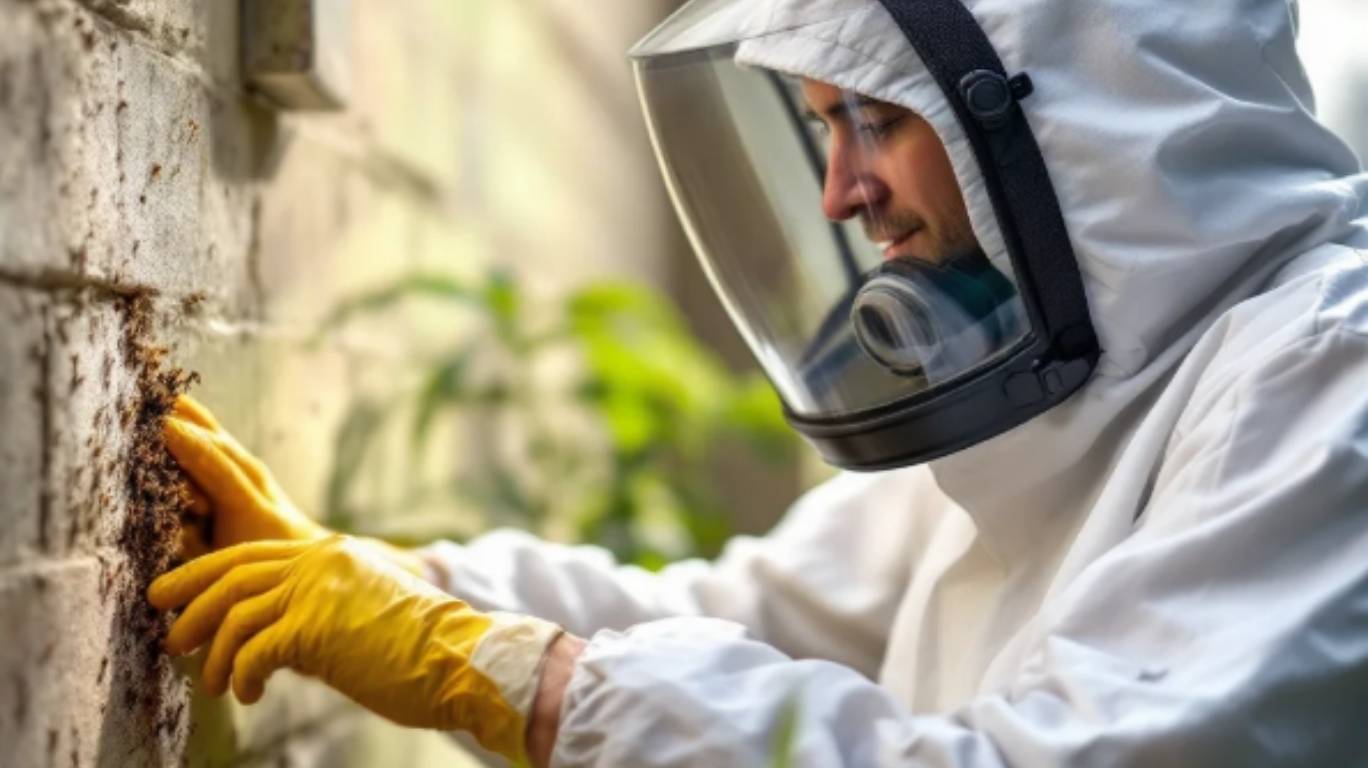
      Step 2: Safety Assessment and Equipment Preparation

      Every job starts with a full risk read of the area around the nest. Kids, pets, and entry points all factor into how we set up safely. Full protective gear goes on before anyone steps within 20 feet. A rushed setup causes more problems than the nest itself ever would.

      Step 3: Targeted Treatment Based on Nest Type and Location

      Pest control treatment changes based on where the nest sits and how large it has grown. Ground nests get a dust based treatment injected directly into the colony entrance. Aerial and wall nests receive a foam or liquid application suited to the void size. Matching the method to the nest type gets better results every single time.

      Step 4: Physical Nest Removal and Structural Sealing

      After treatment, physical nest removal clears dead comb and leftover material from the site. Leaving old nest material behind attracts new queens the following spring. Prevention sealing covers every soffit gap, crack, and roofline void identified during inspection. That structural sealing step breaks the return cycle most other companies skip entirely.

      Step 5: Treatment Guidance and 24 to 72 Hour Activity Expectation

      Wasp activity near the treated zone continues for 24 to 72 hours after treatment. Dying workers return to the nest site before the colony fully collapses. You’ll notice less traffic each day as the treatment works through the colony. Stay clear of the zone during this window and let the process finish naturally.

      Step 6: Follow Up Inspection and Prevention Consultation

      A follow up visit confirms the colony is fully gone and no rebuilding has started. We check attic spaces, wood piles, and bark crevices where queens commonly overwinter. That overwintering check stops next season’s infestation before a new queen ever builds. Prevention advice covers landscaping, moisture fixes, and entry point sealing specific to your property.

      Wasp Nest Removal Toronto dress

      Wasp Nest Removal Cost in Vaughan

      Wasp control pricing depends on three main things. Nest size, nest accessibility, and infestation severity all shift the final number. A small exposed nest costs far less than a hidden one inside a wall. Wall nests run higher because reaching them needs extra time and structural access work.

      Roof nests and ground nests each carry different labor demands too. Roof jobs need height equipment and extra safety setup on site. Ground nest treatments go faster but deep underground colonies add treatment complexity. We give clear pricing after the inspection so nothing surprises you on the invoice.

      Why Vaughan Homeowners Choose Pestiseed Pest Control

      Pestiseed is a trusted local pest control company serving Vaughan with fast, honest service. Our Same Day Emergency Service means a certified technician reaches your door within hours. Every team member carries full technician certifications and deep pest management expertise built from real field work. Our 100% Customer Satisfaction Guarantee backs every single job we complete on your property.

      Why Our Wasp Removal Technicians Are Professional Trained

      eco-friendly

      Workplace Hazardous Materials Training

      Wasp feces contamination in attics carries real health risks most people don’t expect. Our team holds full workplace safety training covering hazardous material handling and attic sanitation on every job. Biohazard cleanup after removal follows strict protocols that protect your family from airborne pathogens. That level of wildlife handling safety separates a trained technician from someone with just a ladder and gloves.

      eco-friendly

      Transportation of Dangerous Goods

      Captured raccoons don’t just go in the back seat and hope for the best. Every transport follows Ontario wildlife transport law using certified containment equipment built for live animal handling. Our technician certification covers full wildlife transport regulations so every relocation stays legal and humane. Jobsite safety protocols extend beyond the property line and onto every road our team drives.

      eco-friendly

      Ladder Safety and Fall Protection

      Roof work without proper gear causes more injuries than the wildlife ever does. We use roof safety harness systems and fall arrest systems on every elevated job site. Ladder stabilization equipment locks in place before anyone climbs a single rung. Most pest control companies skip this entirely, and that is a risk no homeowner should carry.

      Wasp Prevention for Vaughan Homeowners Seasonal Action Calendar

      Inspection and Sealing Season Early Spring

      Overwintering queens wake up in March and start hunting for a build spot fast. Structural sealing in early spring blocks them before early nests ever form. Checking soffits, vents, and roofline gaps now costs far less than summer removal. This is the single best move in the entire wasp lifecycle calendar.

      Early Intervention Window Late Spring

      Small nests in May hold only 10 to 20 wasps with just the queen present. Removing a queen only colony at this stage takes minutes and costs very little. Once workers hatch, that same nest needs full treatment gear and more time. Seasonal pest control action in late spring stops the colony before it ever gets going.

      High Risk Period Mid to Late Summer

      Mature colonies peak between July and September with thousands of active workers. Aggressive defense kicks in hard during this window near any nest zone. Mowing, trimming, or even walking close triggers fast group stinging responses. This is the window where DIY attempts most often end badly for Vaughan homeowners.

      Post Season Sealing Fall

      Colony collapse happens naturally in October as workers die off with the cold. Queens leave the nest and hide in bark, wood piles, and wall gaps to survive winter. Prevention sealing in fall closes every gap before new queens settle in for the season. Skipping this step is exactly why the same spots get nest prevention problems every single year.

      jeep for pestiseed

      Vaughan Neighbourhoods and Service Areas We Cover

      Wasp nests show up differently across Vaughan depending on the neighbourhood layout. Older tree lined streets in Kleinburg, Maple, Concord, Thornhill, Vellore Village, Sonoma Heights, Patterson, and Woodbridge see more aerial and eave nests near mature canopy cover. Newer builds in Maple and Concord deal more with ground nests tucked into fresh landscaping and sod lines. We cover Thornhill too, where mixed housing styles create a wide mix of nest locations every season.

      Ajax

      Aurora

      Barrie

      Bolton

      Bradford

      Burlington

      Caledon

      Cambridge

      Cookstown

      Etobicoke

      Georgetown

      Guelph

      Hilton Hills

      Hamilton

      Innisfil

      King City

      Kleinburg

      Mississauga

      Newmarket

      Nobelton

      North York

      Oakville

      Ottawa

      Oshawa

      Richmond Hill

      Scarborough

      Schomberg

      Book Professional Wasp Nest Removal in Vaughan

      Need Wasp Nest Removal Today? A wasp nest found today needs attention before tomorrow. Pestiseed Pest Control offers a free inspection with every pest control consultation booked in Vaughan. Our licensed technicians arrive the same day for any emergency pest service call. Book now and get your property assessed fast, safely, and without any guesswork.

      Don’t hesitate ask us about our work!

      Frequently Asked Questions

      April and May are the best months for wasp nest removal. Early summer nests hold fewer than 50 wasps. The colony lifecycle has not peaked yet. Smaller colonies mean safer and faster removal. Pestiseed recommends acting before July when colonies grow fast.

      Yes, wasps can return to the same spot using pheromone trails left behind. Nesting site reuse happens even after full nest removal. Pestiseed seals entry points after every removal job. That breaks the scent trail and stops them from rebuilding in the same zone.

      No, wasps never reuse an old nest the following year. Colony collapse happens every fall when workers die off naturally. Overwintering queens survive and build brand new nests each spring. Old nests attract new queens if entry points stay open and unsealed.

      A wasp nest lives for one single season only. Seasonal colonies start in spring and fully collapse by late fall. The annual lifecycle runs roughly April through October in Vaughan. No wasp nest survives a full Canadian winter on its own.

      Wasps are most active between 10 AM and 4 PM daily. Diurnal activity peaks when temperatures sit above 20 degrees Celsius. Temperature influence slows wasps down significantly in early morning and evening. Pestiseed schedules treatments in cooler hours for safer and more controlled removal.