Diseases Raccoons Carry in Ontario
Raccoons in Toronto spread serious zoonotic diseases that threaten public health. We’ve treated homes where Procyon lotor left droppings infected with roundworm eggs near children’s play areas. Bacterial infections like leptospirosis spread through urine in standing water. Viral threats include rabies which attacks the nervous system fast. Parasitic roundworms cause severe brain damage if accidentally swallowed. Ontario’s humid summers and cold winters force raccoons into attics and garages where contact with humans increases.
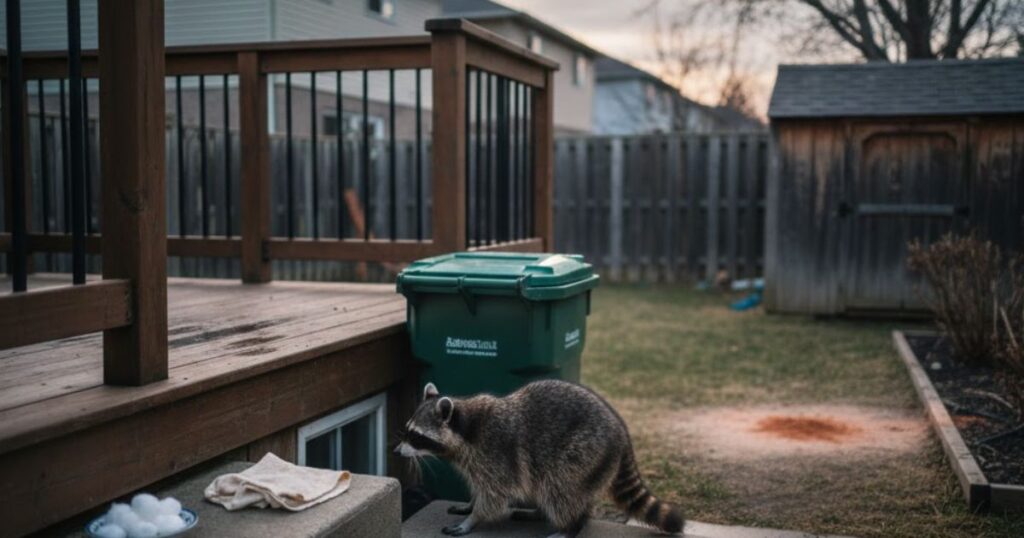
Ontario wildlife carries pathogens year round but spring baby season brings more public health risk. We removed a mother Raccoon from a Scarborough garage where her latrine contaminated stored toys with roundworm larvae. Fleas and ticks on Raccoons carry Lyme disease and other infections into your yard. Distemper spreads rapidly through Raccoon populations during warm months. Zoonotic diseases don’t always show obvious symptoms in infected animals. A healthy looking Raccoon near your trash can still shed dangerous parasites. Ontario reports hundreds of Raccoon related disease exposures annually.
Rabies in Ontario Raccoons
What Makes the Raccoon Rabies Strain Dangerous
- Rabies virus attacks the central nervous system within days of entering the body.
- Lyssavirus moves through nerve pathways straight to the brain where it causes fatal damage.
- Mammalian hosts like raccoons carry high concentrations in their salivary glands before showing symptoms.
- We’ve inspected Toronto properties where aggressive raccoons displayed erratic behavior during daylight hours.
- The raccoon rabies strain spreads faster among urban wildlife than other variants.
- Once symptoms appear in any infected animal the fatality rate reaches nearly 100 percent.
- Ontario raccoons serve as efficient carriers because they live close to human homes and pets.
How Rabies Spreads from Raccoons to People and Animals
- Bites and scratches transfer infected saliva directly into open wounds on skin.
- We removed a sick raccoon from a Scarborough backyard after it attacked a family dog near the garbage bin.
- Mucous membranes in eyes, nose, and mouth also absorb the virus during close contact.
- Pets often encounter rabid raccoons while defending their territory at night.
- Transmission happens fast when dogs chase infected wildlife into corners or under decks.
- Even tiny scratch marks from a raccoon’s claws can introduce the pathogen into your bloodstream.
Tracking Rabies Cases Across Ontario
- Surveillance programs run by health authorities test suspected animals throughout the province year round.
- Rabies monitoring data shows confirmed cases cluster in specific regions based on wildlife movement patterns.
- Ontario reports show containment success in some areas but increased detections near expanding Toronto suburbs.
- We follow case trends to identify high risk neighborhoods before removing potentially infected raccoons.
- Regional clustering happens when one sick animal spreads the infection through local populations quickly.
- Testing programs help predict where outbreaks might occur next based on geographic patterns.
Distemper in Raccoons Compared to Rabies
How Canine Distemper Virus Affects Raccoons
- Canine distemper virus belongs to the Paramyxovirus family and attacks multiple body systems at once.
- The respiratory system shows infection first with coughing and thick nasal discharge building up fast.
- We’ve captured Toronto raccoons struggling to breathe through blocked airways before neurological damage started.
- Nervous system involvement happens later when the virus reaches the brain and spinal cord.
- Distemper spreads through air droplets when sick raccoons cough or sneeze near healthy animals.
- This multi-system disease weakens raccoons gradually over several weeks unlike rapid rabies progression.
Physical and Brain Symptoms Distemper Causes
- Seizures shake the raccoon’s entire body causing violent muscle spasms that last several minutes.
- Lethargy makes infected animals move slowly and ignore nearby threats they would normally flee from.
- We removed a sick raccoon from a North York garage that showed extreme disorientation and circling behavior.
- Hardened foot pads develop thick crusty skin that cracks and bleeds when raccoons try to walk.
- Eye discharge creates a yellow crust around eyelids that glues them partially shut during infection.
- Neurological symptoms progress from mild confusion to complete loss of coordination and balance control.
Which Animals Catch Distemper and Transmission Patterns
- Dogs face the highest infection risk when they encounter sick raccoons in yards or parks.
- Wildlife species including foxes, skunks, and coyotes spread distemper through shared food sources and dens.
- Humans cannot catch canine distemper virus because it only infects specific animal species with compatible cells.
- Cross species transmission happens between different wildlife types but never jumps to people or cats.
- We’ve seen Toronto neighborhoods where distemper killed entire raccoon populations within two months of outbreak.
- Unvaccinated dogs contract the disease from touching contaminated surfaces where infected raccoons traveled recently.
Why People Confuse Distemper with Rabies
- Behavioral changes like aggression and loss of fear appear in both diseases making differential diagnosis challenging.
- Stumbling, drooling, and daytime activity overlap between the two infections causing frequent misidentification by property owners.
- Neurological symptoms such as head tilting and jaw snapping look identical in raccoons infected with either virus.
- We test suspected animals carefully because treatment protocols differ completely depending on the correct disease identification.
- Both conditions cause raccoons to approach humans unnaturally and act confused in open spaces during daylight.
- Veterinarians examine specific symptom patterns and progression speed to distinguish between distemper and rabies accurately.
Human and Pet Exposure Pathways to Raccoon Diseases
Direct Contact Through Bites, Scratches, and Saliva
- Bites create deep puncture wounds that push infected saliva directly into tissue and bloodstream.
- Scratches tear skin open allowing pathogens to enter through fresh open wounds on arms or legs.
- We’ve treated Toronto homes where domestic animals fought raccoons and needed immediate veterinary care after contact.
- Salivary transmission happens fast when raccoon drool touches broken skin or gets into eyes.
- Pets that corner raccoons in garages often receive defensive strikes that break through fur and skin.
- Exposure routes through direct physical contact carry the highest infection risk for both people and animals.
Contamination from Feces and Urine in Living Spaces
- Droppings contain millions of parasite eggs that stay infectious in soil for years after deposit.
- Urine pools under decks and in attics where it soaks into insulation and wooden beams.
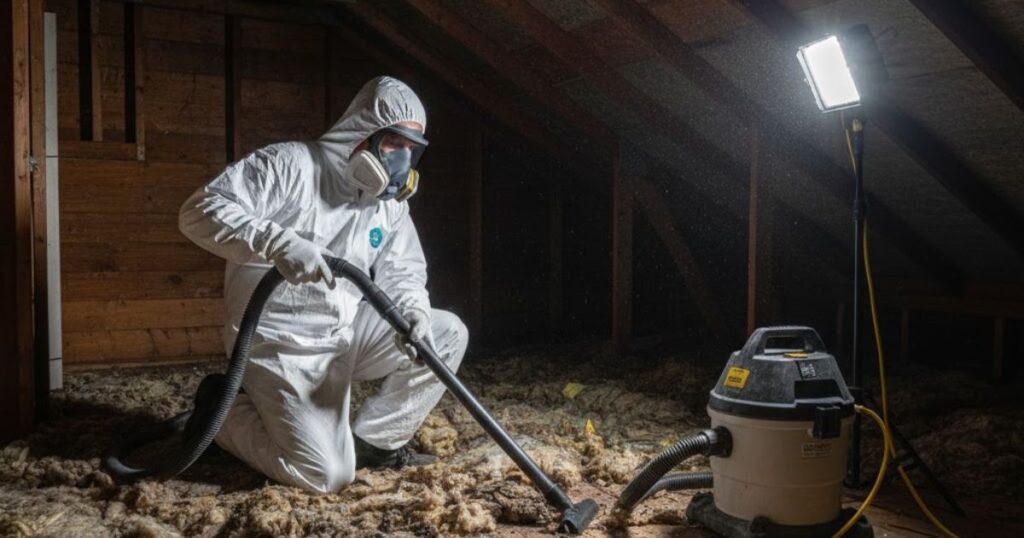
- We removed contaminated insulation from a Scarborough attic where feces covered over 200 square feet.
- Water contamination occurs when rain washes raccoon waste into puddles where children and pets play.
- Environmental vectors like flies land on waste then transfer bacteria to food surfaces inside homes.
- Garden tools stored near raccoon latrines pick up microscopic parasites that spread to vegetable beds.
Handling Injured or Dead Raccoons Safely
- Carcasses leak body fluids filled with concentrated bacteria and viruses onto grass and pavement.
- Decomposition releases airborne pathogens that float into nearby properties through open windows and vents.
- We’ve documented pathogen concentration levels in dead raccoons that remain dangerous for weeks after death.
- Injured raccoons bite defensively when approached even if they appear too weak to move quickly.
- Toronto residents who touch dead wildlife without gloves expose themselves to multiple infection routes at once.
- Maggots and insects feeding on carcasses carry diseases to new locations across your property within hours.
Indicators of Sick or Dangerous Raccoons
Behavioural indicators show up first when raccoons lose their natural fear of people and pets. We’ve documented Toronto properties where sick animals approached residents in broad daylight instead of hiding. Dangerous raccoons stagger in circles or walk without normal coordination through open yards during morning hours. Aggression toward nearby dogs or children signals brain infection affecting judgment and impulse control rapidly. Daytime activity combined with unusual boldness means the animal likely carries a serious neurological disease. Healthy raccoons always retreat when humans get within 20 feet of their location outdoors.
Physical indicators include matted fur, excessive drooling, and discharge leaking from eyes or nose constantly. We removed a sick raccoon from an Etobicoke backyard that couldn’t close its jaw properly due to paralysis. Limping or dragging rear legs shows nerve damage progressing through the spinal cord and brain. Crusty buildup around the mouth and facial twitching appear when infection reaches advanced stages quickly. Dangerous animals often ignore loud noises or bright lights that would normally scare them away instantly. Never approach any raccoon displaying these warning signs even if it appears weak or helpless.
Raccoon Disease Risk Reduction Around Residential
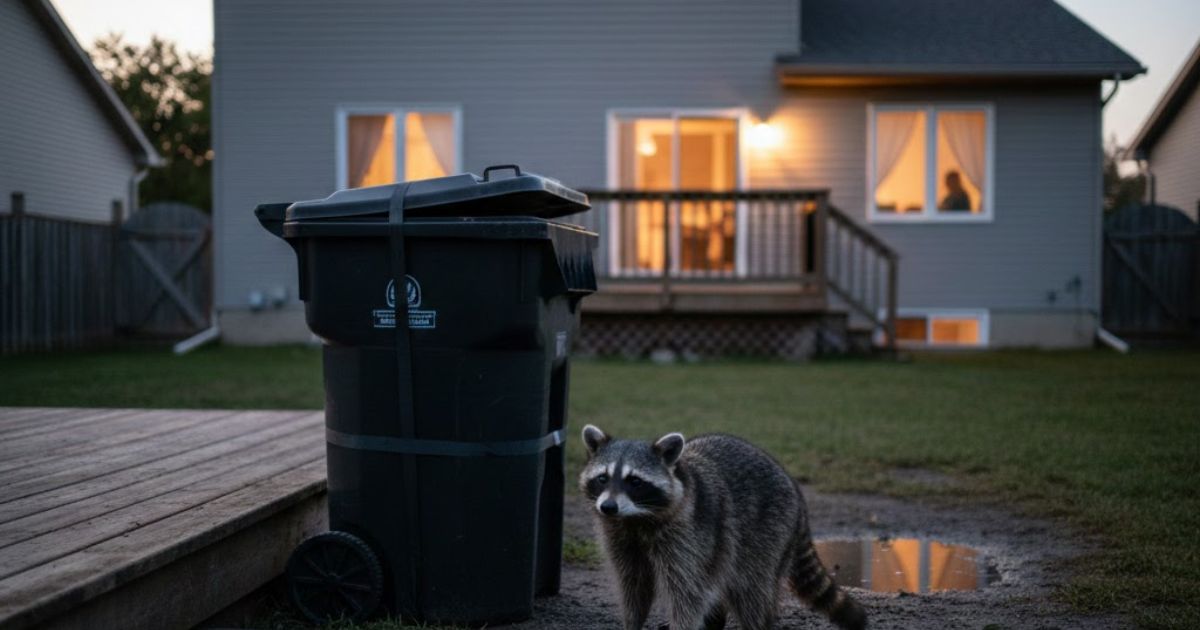
Property hygiene starts with removing food sources that attract raccoons carrying infectious diseases to your yard. We’ve helped Toronto families eliminate garbage access by securing bin lids with bungee cords and locks. Bird feeders dropped on the ground create feeding stations where sick raccoons congregate and spread pathogens quickly. Pet food left outside overnight draws multiple animals into close contact near doorways and play areas. Fallen fruit under trees ferments and attracts raccoons that urinate and defecate while eating in your garden. Prevention works best when you eliminate attractions before wildlife establishes regular visiting patterns around your home.
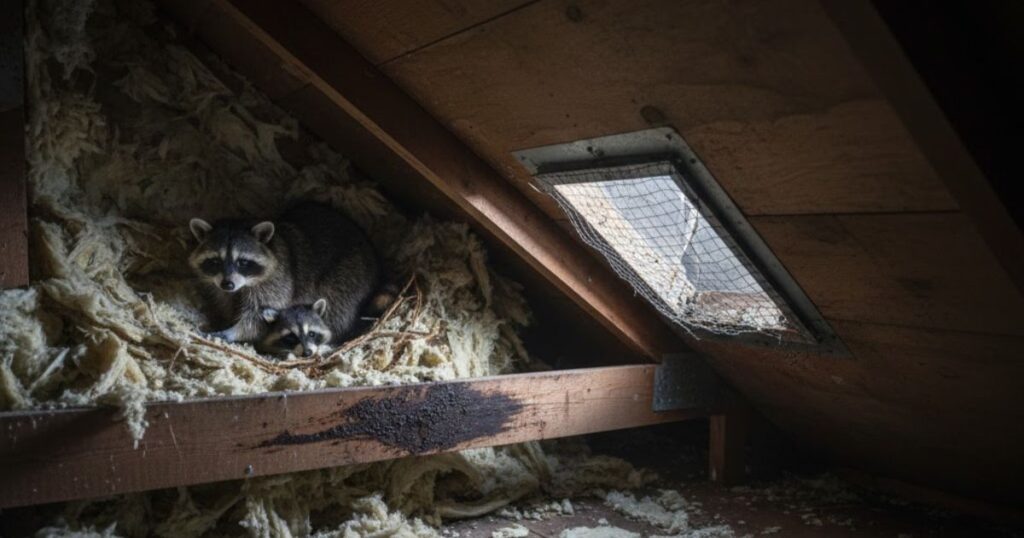
Exclusion methods block entry points where raccoons access attics, crawl spaces, and sheds to nest indoors. We install heavy gauge steel mesh over roof vents and chimney openings in residential areas across the city. Trim tree branches back at least 8 feet from your roofline to prevent jumping access. Cap unused chimneys with metal screens that allow smoke out but keep wildlife outside your structure. Risk reduction requires sealing gaps larger than 4 inches around soffits and foundation walls immediately. One way doors let raccoons exit safely but prevent re-entry while keeping your family protected from disease exposure.
Why Choose Professional Raccoon Control in Ontario
Licensed raccoon control experts follow Ontario regulations that protect both wildlife and property owners during removal operations. We assess disease risk before handling any raccoon to prevent pathogen exposure to your family. Professional technicians wear protective equipment that blocks contact with infected saliva, feces, and contaminated surfaces safely. Humane removal techniques keep animals calm and reduce defensive biting that spreads rabies and other infections. DIY trapping often injures raccoons and creates dangerous situations when cornered animals attack in enclosed spaces. Pestiseed Pest Control completes full property inspections to identify contaminated areas that need specialized cleaning after extraction.
Ontario laws require specific handling protocols for wildlife suspected of carrying transmissible diseases in urban areas. We document every raccoon capture with detailed health observations that help track regional disease patterns across Toronto. Professional teams use one way exclusion doors that let animals exit without re-entry while maintaining building integrity. Improper sealing methods trap baby raccoons inside walls where they die and create decomposition hazards.
FAQs
Are Raccoons in Ontario Likely to Have Rabies?
Rabies in Ontario raccoons is rare today. Wildlife vaccination programs reduced cases significantly. We still recommend caution around wild raccoons. Never touch or approach them. Call local wildlife control if you spot sick raccoons.
Can a Vaccinated Dog Still Get Rabies from a Raccoon?
Vaccinated dogs have strong protection against rabies. However, no vaccine offers 100% safety. We advise seeing a vet immediately after raccoon contact. Keep pet vaccinations current for best protection in Ontario.
Is It Safe to Clean Raccoon Droppings Yourself?
We strongly advise against DIY cleanup. Raccoon feces may contain roundworm eggs. These parasites cause serious health problems. Our trained team uses proper safety gear. We handle waste removal safely for Ontario homeowners.
Do Urban Raccoons Carry More Diseases?
Urban raccoons often carry more parasites and bacteria. City food sources create closer animal contact. This spreads diseases faster among raccoon populations. We offer professional wildlife removal across Ontario cities. Our team protects your family from urban wildlife risks.
What Time of Year Are Raccoon Diseases Most Common?
Spring and summer bring higher disease risks from raccoons. Warmer weather increases raccoon activity and breeding. Baby raccoons also emerge during these seasons. We recommend scheduling wildlife inspections before spring arrives. Early action prevents costly infestations in Ontario homes.
Protect Your Family and Property
Family health depends on quick action when raccoons establish nesting sites near your Toronto home. Property safety requires professional intervention before disease-carrying wildlife contaminates living spaces where children play and pets roam freely. We respond to urgent raccoon situations with same day assessments that identify immediate health risks and entry points. Pestiseed Pest Control provides comprehensive removal services that eliminate infected animals and sanitize contaminated areas completely. Protect your household by contacting licensed wildlife specialists at the first sign of raccoon activity. Don’t wait until a sick animal bites someone or leaves dangerous droppings in accessible locations. Call us today for a thorough inspection that keeps your family safe from preventable disease exposure.