How Raccoon Urine and Feces Enter and Spread Inside Homes
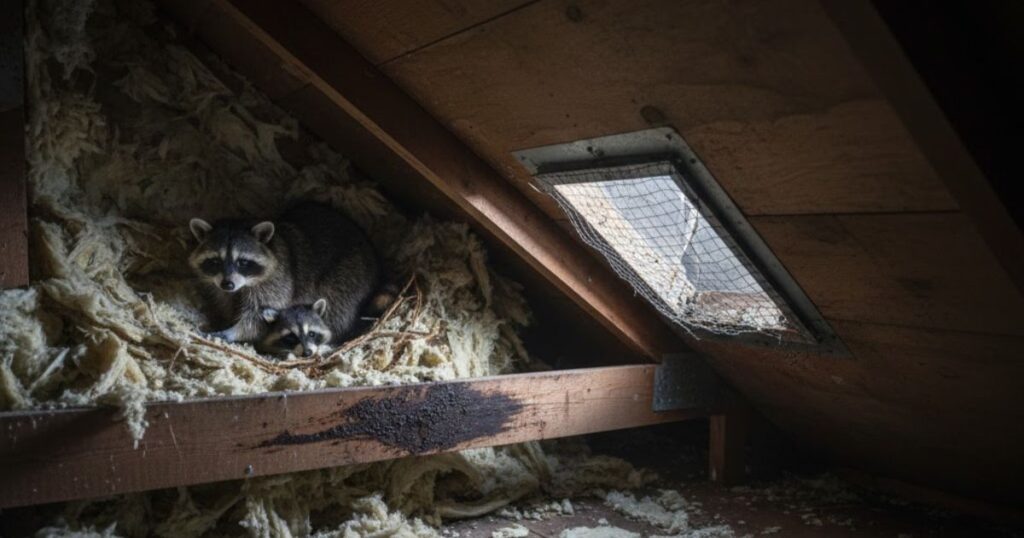
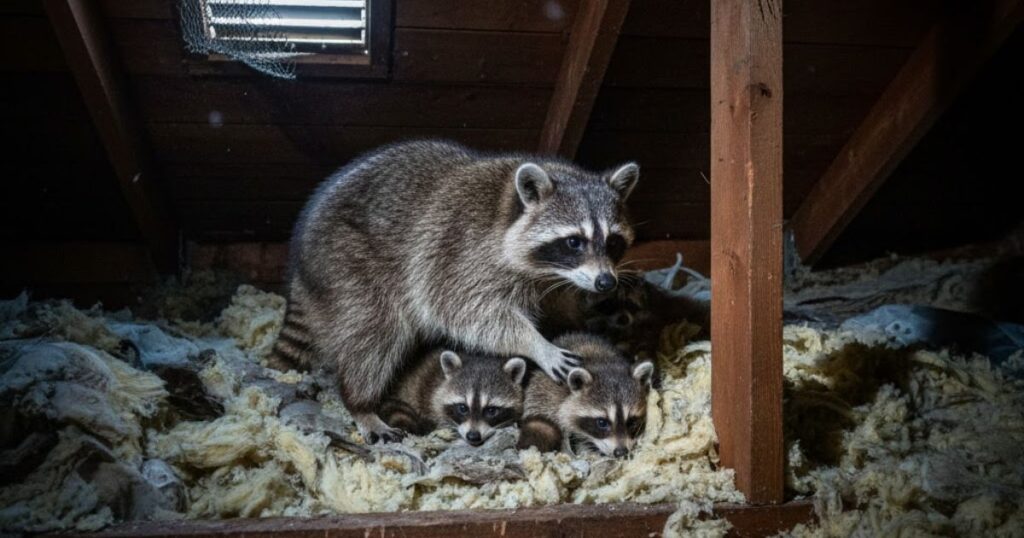
Raccoons don’t just pass through your home. They pick specific spots to repeatedly relieve themselves. We’ve found raccoon latrines in the same attic corner for months in Toronto homes. Chimneys become vertical highways where droppings fall and pile up at the bottom. Wall cavities trap waste between studs where you can’t see it spreading. Crawl spaces under older Toronto bungalows collect urine that soaks into soil and wooden beams.
Insulation acts like a sponge for raccoon urine and holds the smell for years. Air currents push ammonia vapors through ceiling cracks into your living areas below. Feces dry out and crumble into dust that circulates through your HVAC system. One latrine in a crawl space can contaminate an entire floor because the waste breaks down and releases spores.
Biological Hazards Present in Raccoon Urine and Feces
Parasitic Threats From Raccoon Feces
Baylisascaris procyonis lives inside most raccoon guts we see in Toronto. Raccoon roundworm eggs survive in attics for years after animals leave. We’ve found eggs still dangerous after three full winters passed. Accidental ingestion happens when contaminated dust lands on your kitchen counter. Neural larva migrans attack your brain when these worms migrate through tissue. Neurological damage becomes permanent with no cure available today. Egg viability makes old droppings just as deadly as fresh piles.
Bacterial Exposure From Raccoon Urine
Leptospira bacteria grows in pooled urine under crawl spaces. Leptospirosis spreads through aerosolized urine particles floating when furnaces turn on. Airborne exposure means you get sick without touching anything contaminated. Mucous membrane entry happens when you breathe droplets through your nose. Moisture dependency keeps bacteria alive in damp basements for months. We’ve seen urine soak into wood and release particles daily.
Secondary Contaminants and Environmental Growth
Mold spores explode across insulation materials after raccoon urine soaks in. Fungal growth feeds on nitrogen from animal waste left behind. Moisture retention creates perfect spots for black mold colonies. HVAC systems suck spores from attics and blow them into bedrooms. Indoor air contamination spreads because one latrine triggers growth across ten feet. The amplification effect means biological hazards multiply after raccoons disappear.
Health Effects Linked to Indoor Exposure to Raccoon Waste
Respiratory symptoms start when you breathe contaminated air from your attic below. We’ve seen Toronto families develop chronic coughs that doctors couldn’t explain for months. Gastrointestinal illness hits when dust from dried droppings settles on food surfaces. Neurological symptoms appear weeks after exposure when roundworm larvae reach your brain tissue. Ocular damage occurs when microscopic particles enter your eyes and cause inflammation.
Indoor exposure to raccoon waste doesn’t require direct contact with the source material. Your HVAC system circulates contaminated particles into every room you sleep in. We’ve tested air quality in homes where families lived above infested crawl spaces for years. Breathing problems developed slowly so people thought it was just seasonal allergies. Health effects multiply when moisture from urine feeds mold growth that releases additional toxins. Most Toronto homeowners we help had no idea their mystery symptoms traced back to wildlife.
Individuals at Higher Risk Inside Contaminated Homes
Children crawl on floors where contaminated dust from attics settles daily. We’ve responded to Toronto homes where toddlers played under infested access points. Immunocompromised people battling cancer or diabetes lack defenses against parasites healthy adults resist. Elderly individuals in basement suites face exposure when raccoons nest overhead in crawl spaces. Weaker immune systems turn brief contact into infections needing hospital care. Grandparents we’ve helped develop lung issues from spores younger people tolerated fine.
Pets sniff contaminated insulation during attic explorations and lick their fur afterward. Dogs carry waste particles on paws after crawl space investigations. Cats hunting below infested areas walk through dried urine then groom for hours. Higher risk groups inside contaminated homes require fast cleanup before illness appears. We’ve treated families where kids and animals got sick from identical latrine exposure. Your vulnerable loved ones need shields from hidden threats overhead.
Reducing and Controlling Health Risks From Raccoon Waste
Exposure reduction starts by keeping family members away from contaminated spaces immediately. We’ve closed off attics in Toronto homes until professional teams removed dangerous waste. Entry point sealing stops new animals from adding fresh droppings to existing problems. Roof vents and foundation gaps need steel mesh that raccoons can’t tear through. Sanitation protocols require specialized equipment because household cleaners don’t kill roundworm eggs effectively.
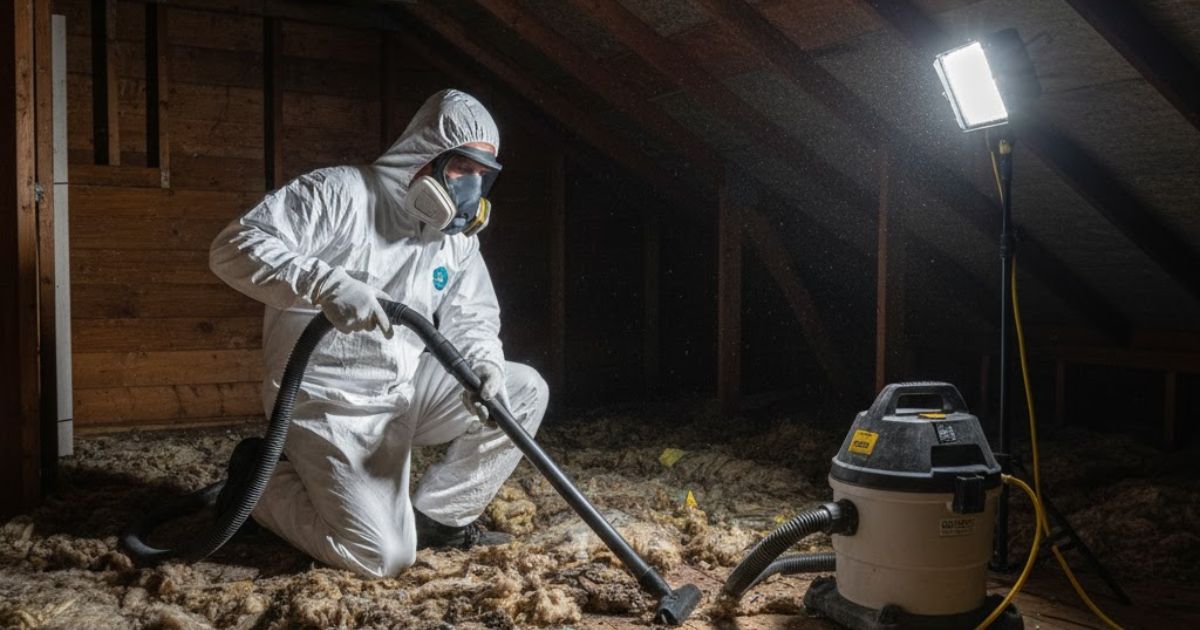
Controlling health risks from raccoon waste means treating contaminated zones like medical hazard areas. Protective gear prevents breathing airborne particles during initial assessments we perform. HEPA vacuums capture microscopic threats regular vacuums blow back into room air. We’ve seen families try cleaning attics themselves and spread contamination to three more floors. Professional reducing methods include removing soiled insulation and treating wood with antimicrobial solutions. Your safety depends on complete decontamination that eliminates biological threats at their source.
How Can Homeowners Reduce Health Risks From Raccoon Waste?
Homeowner actions should focus on keeping everyone away from suspected contaminated areas first. We’ve advised Toronto families to lock attic doors until professionals inspect the space. Safety precautions include wearing N95 masks if you must enter rooms below infested zones. Never sweep or vacuum droppings because this launches eggs into breathing air. We’ve seen people accidentally spread contamination by using shop vacs without HEPA filters. Avoidance behavior means stopping kids from playing near crawl space vents or basement corners.
Reduce health risks from raccoon waste by changing furnace filters monthly during active infestations. Wash hands immediately after touching anything stored in potentially contaminated spaces like attics. We recommend keeping pets out of basements until professional teams confirm safe conditions. Homeowners who discover fresh droppings should document locations with photos before calling experts. Smart actions prevent family exposure while waiting for proper decontamination that eliminates threats completely.
Why Choose Professional Raccoon Waste Removal and Sanitization
Professional raccoon removal teams at Pestiseed Pest Control use hospital-grade equipment Toronto homeowners can’t buy in stores. Biohazard sanitation requires specialized foggers that penetrate wood grain where urine soaked deep. We’ve treated attics where DIY attempts spread contamination to ventilation systems throughout homes. Decontamination protocols include enzyme treatments that break down organic matter at molecular levels. Exclusion services prevent recontamination after we remove every trace of biological threats.
Professional raccoon waste removal and sanitization protects your family from invisible dangers household methods miss. We seal entry points with materials animals can’t chew through or pry open. Pestiseed Pest Control technicians wear full protective suits because we understand airborne particle risks. Sanitization goes beyond surface cleaning to treat structural materials absorbing pathogens. Proper removal means extracting contaminated insulation and replacing it with clean materials safely.
FAQs
Is raccoon feces more dangerous than dog or cat feces?
Yes, raccoon droppings carry serious health risks. They contain Baylisascaris roundworm eggs. These parasites can cause brain damage in humans. Dog and cat waste rarely poses this threat. Our Toronto wildlife removal team handles safe raccoon feces cleanup daily.
Can raccoon urine make you sick without direct contact?
Raccoon urine spreads leptospirosis bacteria through contaminated surfaces. You can get sick by touching infected areas. Breathing dried urine particles also causes illness. We recommend professional attic decontamination services. Our licensed technicians use hospital grade sanitizers for complete protection.
Are attic raccoon droppings a serious health concern?
Attic raccoon latrines create major health hazards for families. Roundworm eggs become airborne when droppings dry out. Breathing contaminated dust causes severe infections. We provide full attic restoration services across the GTA. Our team removes all waste safely.
Can household disinfectants kill raccoon roundworm eggs?
No, regular household cleaners cannot destroy raccoon roundworm eggs. These parasites survive bleach and common disinfectants. Only extreme heat treatment works effectively. Our wildlife cleanup experts use specialized equipment. We guarantee complete elimination of dangerous parasites from your home.
Should raccoon feces be removed without professional help?
DIY raccoon feces removal puts your family at serious risk. Disturbing droppings releases infectious spores into the air. Improper handling spreads contamination throughout your home. We offer free estimates for safe wildlife waste removal. Our eco-friendly process protects your health completely.
Protect Your Home and Health
Indoor health requires eliminating biological threats hiding in your Toronto property today. We’ve helped families breathe easier after removing contaminated materials they never knew existed. Long term safety demands complete decontamination that stops parasites from thriving in living spaces. Disease prevention begins with professional inspections identifying every contaminated zone before illness starts. Pestiseed Pest Control prioritizes protecting your home and health through proven elimination methods. Call us for thorough assessments keeping loved ones safe from hidden dangers.