Bed bugs are not a cleanliness problem in Toronto, they are a city structure problem. Dense condos, multi-unit buildings, the TTC, and short term rentals all create perfect spread conditions. Cimex lectularius resists common sprays due to pyrethroid resistance, which is why one bed bug treatment rarely finishes the job. This guide covers everything from biology to Toronto law to Pestiseed’s five phase process.
You will find a full treatment method comparison, real cost breakdowns, tenant and landlord rights under the Ontario Residential Tenancies Act, and a risk stratified prevention plan. Every section answers a real question Toronto residents ask before, during, and after treatment. Health Canada compliant solutions exist for every budget and building type.
Why Toronto Has a Distinct Bed Bug Problem
Bed bugs in Toronto thrive because of how the city is built. Dense living in condos, rental apartments, and high rise buildings gives them easy access. One infested unit spreads bugs to neighboring units fast. Multi-unit buildings with shared walls make this worse.
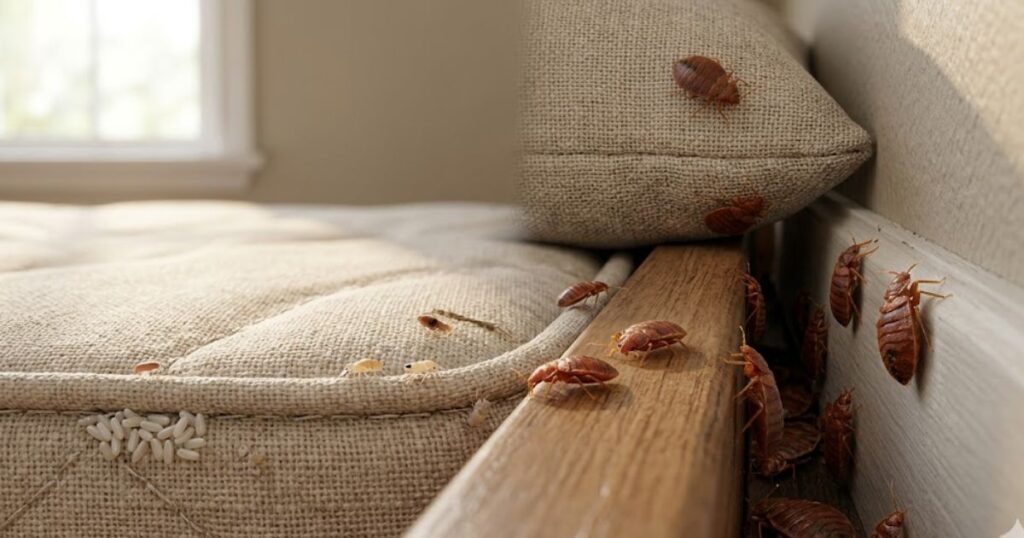
Central heating keeps indoor temperatures at 18–26°C all year. Cold climate outside does not stop them inside. The TTC, Airbnb, short term rentals, dormitories, shelters, hotels, and healthcare facilities all act as pickup points. These hitchhiker pests hide in cracks, crevices, and wall voids at just 4–5mm in size and here is the guide how to get rid of bed bug in toronto
Biology That Determines Your Treatment Timeline
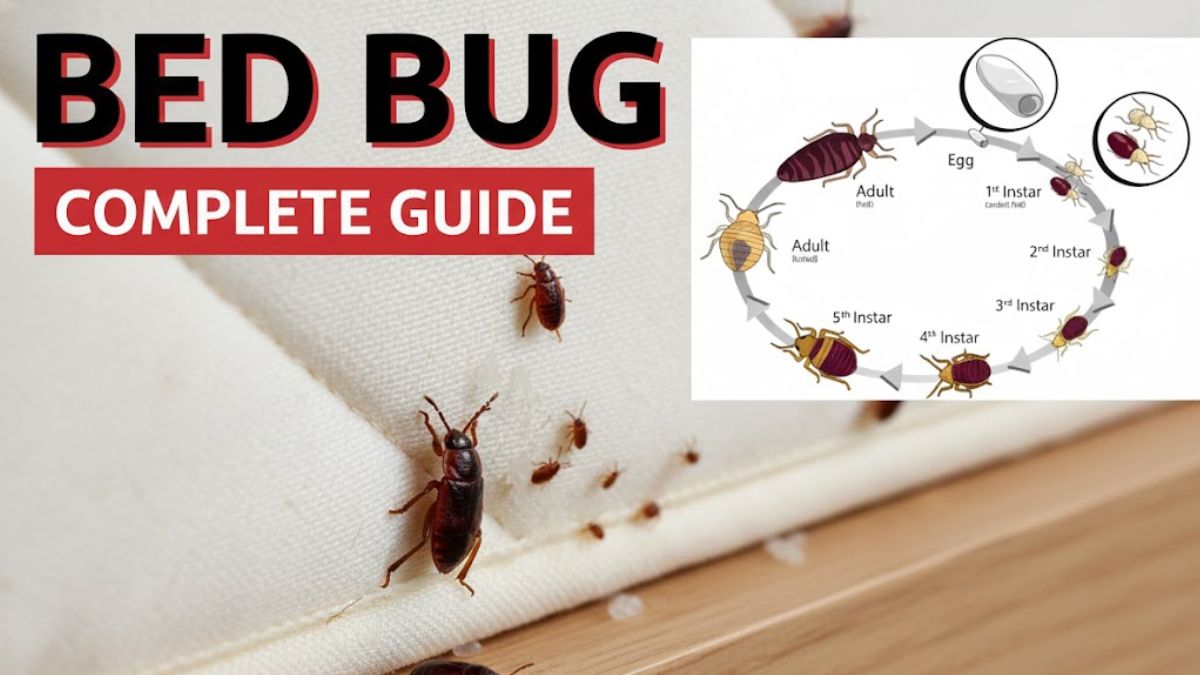
Cimex lectularius moves through a 5 stage nymph cycle before becoming an adult. Each stage needs a blood meal and molting to progress. They hide using aggregation pheromones inside 2–5mm cracks within 1.5 metres of a host. These harborage behavior patterns define your treatment target zones.
Egg viability is what breaks most treatments. Contact insecticide resistance, especially pyrethroid resistance, is confirmed in Canadian urban populations by Zhu et al. 2013 in the Journal of Medical Entomology. Health Canada links insecticide failure to both metabolic resistance and cuticle resistance. That biological reason is why multiple treatment visits are never optional.
Bed Bug Treatment Method Comparison Evidence
Heat Treatment
In heat treatment, whole room heat raises every harborage site temperature to 49–52°C (120–125°F) for 60–90 minutes. Professional heat equipment, special heaters, fans, and temperature monitors work together. This kills all life stages, including eggs. The gap has no residual protection, which raises re-introduction risk.
Steam Treatment for Bed Bugs
Steam treatment works by delivering Temperature Threshold heat at ≥ 50°C directly into mattress seams, baseboards, and furniture joints. At 100°C optimal steam, the kill rate reaches 100% for both eggs vs adults no chemical needed. This makes it fully EPA Compliance friendly and safe for Toronto homes with kids or pets.
Apprehend Treatment for Bed Bugs
Beauveria bassiana, the active ingredient in Apprehend treatment, is a fungal biopesticide that spreads from bug to bug. Bed bug nymphs and bed bug eggs pick it up crossing the residual barrier treatment. This insect pathogen kills hidden colonies without sprays reaching them directly and here is the information about how to identify bed bug in your homes
Residual Chemical Treatment
Licensed pesticide using Schedule 6 active ingredients like neonicotinoids and pyrethroids works through dual mode application. Crack and crevice application, harborage spray, void treatment, and electrical outlet dust deliver long lasting insecticide effects. Low volatility insecticide and low toxicity formulation keep exposure low. Residual weeks of protection stop re-infestation risk after treatment.
Combined (Integrated) Treatment
Integrated pest management runs heat plus chemicals in one visit under an IPM framework. Heat delivers immediate kill across all life stages while IGR (insect growth regulator) handles egg disruption and nymph disruption. The insect growth regulator mechanism causes fertility impairment and development impairment in survivors. Residual protection from the combined treatment closes every gap heat alone leaves open.
Comparison matrix
| Factor | Heat Only | Chemical Only | Combined |
| Kills eggs | Yes | No (IGR disrupts only) | Yes |
| Residual protection | No | Yes (weeks) | Yes |
| Visits required | 1–2 | 2–3 | 2 |
| Chemical exposure | None | Moderate | Low |
| Best for | Single units, speed | Budget constrained | Severe/multi-room |
| Success rate (first cycle) | High | Moderate (resistance dependent) | Highest |
Toronto Tenant and Landlord Rights Law Requires
The Ontario Residential Tenancies Act, Section 20, puts the landlord obligation first. Landlords keep every unit in good state of repair and pest free condition. Toronto Municipal Licensing and Standards enforces this under Municipal Code Chapter 629. An unresolved infestation opens the door to rent abatement for tenants.
Tenant obligation runs alongside those tenant rights. A tenant carries a reporting duty and cooperation duty during any treatment. Preparation compliance and access cooperation within a reasonable time after adequate notice and legal entry are required by law. Under the Condominium Act, the condo corporation’s responsibility covers shared spaces while the individual unit owner holds the unit owner obligation inside their own unit.
Pre-Treatment Preparation Protocol
Decluttering is not just tidying up, it is a tactical necessity. Less clutter means direct harborage reduction and better chemical contact probability. Pull all furniture placement to 12 inches from wall (30 cm from wall) for full baseboard access and crack and crevice access. Run a HEPA vacuum across floors and seams, then handle vacuum bag disposal immediately outside.
Thermal textile treatment kills what you cannot see. Wash all bedding at 140°F minimum with a hot water wash, then run a full dryer cycle duration at 60°C core temperature for a 30 minute exposure minimum. Store everything in sealed plastic bags to close the re-contamination window before the technician arrives.
What to Expect During and After Treatment A Realistic Timeline
Day 0–2 activity goes up before it goes down. A disturbed population starts host seeking movement and crosses every treated surface on the way. Seeing dying bugs in this window is a good sign, not a bad one. Bite reduction becomes clear by day 3–7 as the chemical does its work.
At the week 2 follow up, the focus shifts to newly hatched nymphs and egg survivors. A 14 day interval between visits matches the post treatment timeline for hatch cycles. The second treatment visit is your immediate action trigger against persistent infestation. We log every return visit with full treatment documentation for quality assurance and a confirmed follow up schedule.
Pestiseed’s Treatment Process for Toronto Homes
Phase 1: Inspection and Confirmation
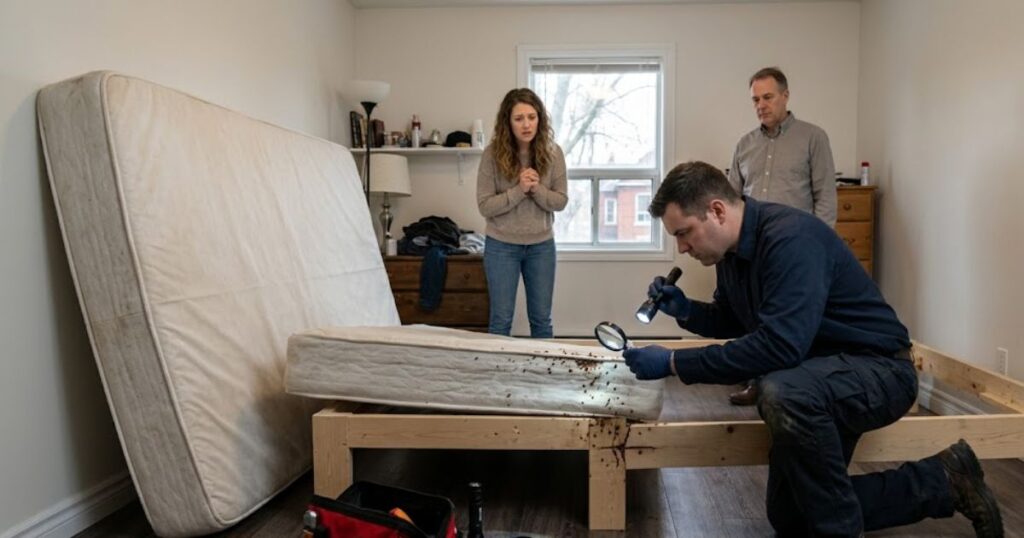
A free inspection starts with a full room by room inspection and photographic documentation. Our canine detection team uses a trained dog with proven bed bug detection accuracy per Cooper et al. 2014. Visual inspection technique confirms the infestation severity assessment. Every home gets a custom treatment plan delivery before work begins.
Phase 2: Preparation Critical Success Factor
A customized checklist matches every treatment type specific preparation need. Preparation compliance drives an 85–95% success rate with proper prep versus 40–60% success rate without prep. We tailor steps across steam preparation, heat preparation, chemical preparation, and freezing preparation. Skipping prep is the single biggest preparation failure consequence we see.
Phase 3: Initial Treatment
The initial treatment visit follows a strict treatment day protocol. Technicians wear full protective gear and follow product label compliance at every step. Combined technique application covers crack and crevice spray, baseboard treatment, upholstered furniture treatment, and sofa treatment. Ventilation of treated areas starts immediately after heat application, chemical spray application, and dust application.
Phase 4: Follow Up Treatments
The 14 day follow up targets newly hatched nymphs from the egg hatch cycle. A second visit breaks the first generation break in the colony. 3+ visits severe cases follow the retreatment protocol at the shortest retreatment shortest permitted interval allowed by product label interval. Sealed bags maintained with no bag opening and continued preparation compliance protect every re-inspection result.
Phase 5: Monitoring and Clearance
Interceptor traps and bed leg interceptors run as passive monitoring tools after treatment. The zero live bugs standard requires 21 consecutive days of clean checks. We run weekly inspection month one, then bi-weekly inspection months two and three. Mattress encasement installation with 18 month encasement duration and encasement integrity check closes the file to Toronto Public Health clearance standard.
Health Risks and Psychological Impact
Bed bug bites appear on exposed skin in a bite line pattern, bite cluster, or bite zig-zag pattern. Face bites, neck bites, arm bites, shoulder bites, and hand bites are most common. Watch for infection warning signs like increasing redness, red streaks, and warmth and swelling. A full 30% no visible reaction at all, per Sheppard et al. 2022, which makes silent spread easy.
From a service provider perspective, the social stigma hits harder than the allergic skin reaction most times. Housing stigma, shame, and judgment follow people long after treatment ends. Sheppard et al. 2022 confirms the mental health support need is real and serious. We always point clients toward professional help referral and crisis resource options because bugs are fixable the emotional weight needs attention too.
Bed Bug Treatment Costs in Toronto
Treatment cost Toronto shifts based on three hard factors. Room count factor, infestation severity factor, and building type factor all move the price range up or down. Condo pricing sits lower than detached house pricing due to smaller footprint. The GTA market rate for chemical treatment cost runs lower than heat treatment cost, with combined treatment cost sitting in the middle.
The real number people miss is delay cost. Waiting turns a one visit upfront cost into a multi-round re-treatment cost fast. Long term cost of an ignored infestation in a detached house beats the property size pricing of acting early every time. Treating one room today costs far less than treating six rooms next month and here is the complete knowledge about eco friendly bed bug control methods
Prevention for Toronto Residents Risk Stratified by Lifestyle
Travel prevention starts before you unpack at any hotel. Fresh off Pearson International arrivals, run a quick hotel mattress check, headboard inspection travel, and bed frame check travel before putting anything down. Keep luggage elevated on a raised rack with luggage away from bed at all times. Pack clothes in sealed luggage bags and skip the dresser drawers completely.
Back home, risk stratification splits renters and building dwellers into their own prevention lane. Run post travel laundry with a return home wash and high heat dryer post travel cycle the same day you land. Renters need a property history check before signing any lease. Neighbor bed bug communication, landlord notification, and coordinated building prevention cut spread risk across shared walls before it starts.
FAQs
Do bed bugs die in Toronto winters?
No. Indoor bed bugs survive all winter inside heated homes. Central heating removes any cold threat completely.
Can I get bed bugs from a laundromat?
Yes. Shared laundry rooms spread bugs through cross contamination. Always use sealed laundry bags after every wash.
Will my landlord pay for treatment in Ontario?
Yes. The Ontario Residential Tenancies Act Section 20 makes landlord paid treatment the legal standard. Submit a written request first.
Can bed bugs live in my car?
Yes. Bugs hide in car seat harborage zones and upholstered vehicle surfaces. Professional vehicle treatment clears them properly.
Is diatomaceous earth effective?
Partly. Diatomaceous earth kills through cuticle damage but works slowly. Use it as supplementary use only, never alone.
Book a Free Inspection in Toronto
Pestiseed sends a licensed exterminator and insured exterminator to your door fast. Every visit across the GTA service area and Toronto neighborhoods carries zero pressure. This is a real no obligation inspection backed by 5+ years experience in active field work. We read rooms other companies miss. MECP licensed, Health Canada compliant, and Toronto Public Health compliant standards cover every job we run. Pest control Toronto residents trust starts with one honest look at the problem. Book your free inspection today and get a clear answer before the problem spreads further.