How Can You Identify Raccoon Tracks in Toronto With High Accuracy?
How Front and Hind Raccoon Tracks Differ
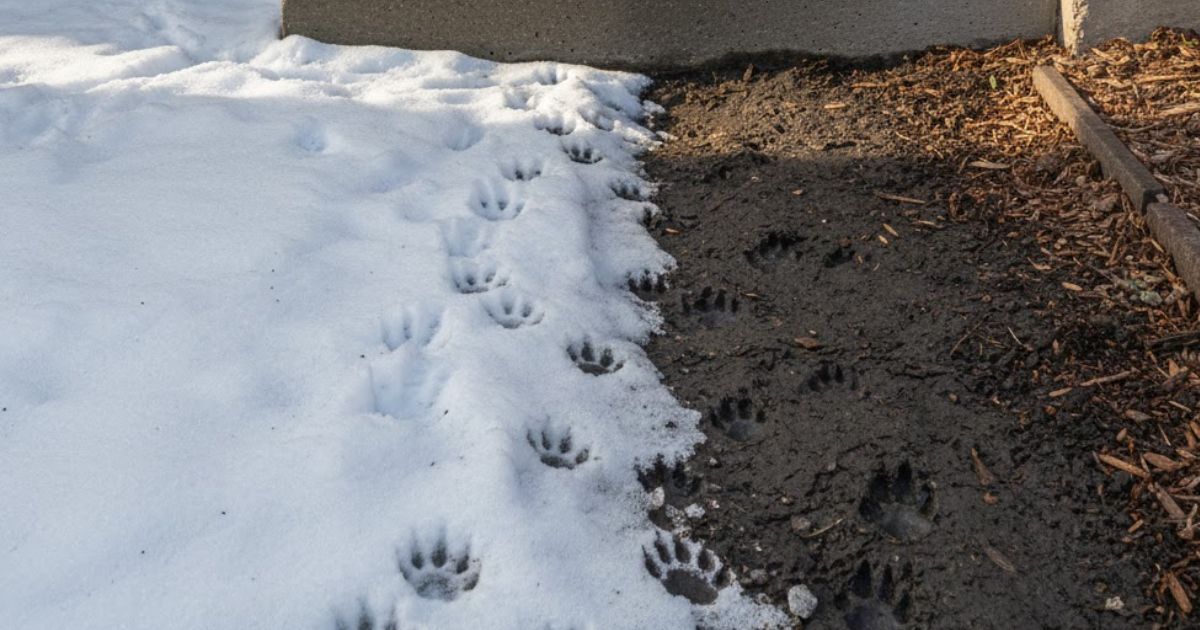
Raccoon track identification starts with understanding the front paw versus hind paw differences. The front paw prints measure about 2 to 3 inches wide with five toes spread out like tiny human fingers. Hind paw tracks stretch longer at 3 to 4 inches because of the extended heel pad length. We’ve noticed the size difference helps homeowners spot which direction the animal walked through their property. The front prints often appear wider while the hind ones show less track symmetry due to the longer heel. Many Toronto neighborhoods have soft garden soil where these details become obvious after rainfall. Check for the distinctive star shaped pattern that only raccoon prints create in mud or snow.
Why Urban Toronto Raccoons Leave Clearer Tracks
Urban raccoons weigh more than their forest cousins because they eat human food scraps regularly. We’ve tracked animals in Toronto that leave deeper impressions because of this extra body weight. Human activity actually helps create better tracking conditions around Toronto housing areas. Raccoons follow the same routes between garbage bins and den sites repeatedly. These repetitive movement paths compress soil and create visible highways across lawns and gardens. The combination of heavier animals and consistent trails makes accuracy much higher when identifying prints in city settings. Sidewalk edges and garden borders show the clearest evidence of nighttime raccoon visits.
What Do Raccoon Tracks Look Like in Snow Conditions in Toronto?
How Fresh Snow Preserves Raccoon Track Detail
- Fresh snow captures perfect track imprints with clear finger separation visible on each toe
- Soft powder shows palm depth creating bowl shaped impressions about half an inch deep
- We’ve examined prints near Toronto fence lines where details stay sharp for hours
- Morning shadows make textured pads and ridges easier to identify before wind erases them
How Compacted or Icy Snow Alters Track Shape
- Compacted snow and ice crust destroy fine details needed for accurate identification
- Reduced definition occurs on hardened surfaces near driveways where only claws break through
- Partial impressions look like random scratches instead of complete prints
- We’ve noticed freeze thaw cycles create the worst tracking conditions in Toronto winters
Common Raccoon Movement Patterns After Toronto Snowfall
- Gait pattern creates clusters of four prints showing distinctive waddle motion
- Side by side walking leaves parallel pairs with alternating paw placement in zigzag trails
- Each track sequence reveals whether animals searched slowly or hurried toward shelter
- Toronto snowfall preserves these movement patterns for days when temperatures stay freezing
What Do Raccoon Tracks Look Like in Mud and Wet Soil?
Why Mud Produces the Most Complete Raccoon Footprints
Mud tracks capture perfect details because soft substrate mods around every toe and claw tip. Wet soil records complete weight distribution showing the full palm imprint and finger splay clearly. We’ve examined hundreds of prints in Toronto gardens where spring moisture creates ideal tracking conditions. The malleable surface holds shape for days unlike hard ground that shows only partial marks.
How Toronto Clay Soil Changes Raccoon Track Size
Toronto clay soil causes smearing that makes prints look much bigger than actual foot size. Track expansion occurs when sticky clay soil pulls outward as raccoons lift their paws. We’ve measured prints that appear 20 percent larger due to Toronto ground composition in wet conditions. North York properties show this distortion effect most clearly after heavy rainfall saturates the earth.
Where Muddy Raccoon Tracks Commonly Appear Around Homes
Gardens and areas near downspouts show the clearest prints because of constant moisture retention. Roof edges drip water that softens soil and creates permanent tracking zones around foundations. We’ve found these access routes lead directly to entry points raccoons use for attic and crawl space invasion. Check mulched beds and spots where grass meets pavement after Toronto rainstorms hit.
Finding Raccoon Tracks Around Your Home Repeatedly?
Repeated tracks near your foundation, shed, or roofline may indicate regular raccoon activity. Contact Pestiseed for a professional wildlife inspection in Toronto and the GTA.
Licensed & Insured
Toronto & GTA
Pest & Wildlife Control
How Do Raccoon Tracks Compare to Other Common Animal Tracks?
Raccoon Tracks vs Skunk Tracks: Key Differences
Skunk tracks show shorter toes bunched together while raccoon tracks display long finger length spread wide apart. The palm shape differs dramatically because skunks leave oval impressions without the hand like appearance what raccoon noises in the attic mean. We’ve helped Toronto homeowners avoid confusion by checking for the distinctive star pattern only raccoons produce. Track comparison becomes easier when you measure toe spacing at the tips. Skunk prints rarely exceed two inches wide while raccoon marks stretch beyond three inches consistently.
Raccoon Tracks vs Opossum Tracks
Opossum tracks feature a thumb that points sideways at a sharp angle creating unique toe orientation. The heel pad on opossums appears longer and narrower than the wide raccoon palm base. We’ve examined prints where the opossum’s splayed thumb makes identification instant even for beginners. Similar species confusion drops when you spot this backwards pointing digit that raccoons never display. Toronto properties near ravines show both animals but the thumb difference eliminates guesswork completely.
Raccoon Tracks vs Dog and Cat Paw Prints
Dog tracks and cat tracks both show symmetrical toe placement arranged in neat arcs. Claw marks appear on dog prints but cats retract theirs leaving clean impressions. We’ve noticed the perfect symmetry in domestic animal prints contrasts sharply with raccoon’s finger like chaos. Track comparison reveals raccoons lack the triangular pad shape dogs and cats share. Toronto backyards often mix wildlife and pet prints but the hand shape separates raccoons immediately.
Why Choose Professional Raccoon Track Identification in Toronto?
Professional wildlife inspection uncovers hidden entry points that tracks alone cannot reveal to homeowners. Pestiseed Pest Control combines footprint analysis with thermal imaging and complete structural assessments. We’ve found active infestations where residents only noticed occasional prints in their yards. Local expertise matters because Toronto’s varied housing stock requires specific knowledge of vulnerable building areas. Risk assessment includes checking insulation damage and exposed wiring that prints near foundations signals.
Toronto services from trained technicians document whether animals visited once or established permanent travel routes. We’ve tracked raccoon families using multiple roof and basement access points owners never suspected. Professional wildlife inspection saves money by locating all entry locations before incorrect sealing traps animals inside. Pestiseed Pest Control accounts for seasonal behavior changes affecting where creatures leave visible marks. Local expertise prevents common mistakes that cause severe property damage and health hazards from waste buildup.
FAQs
How big are raccoon tracks in snow and mud?
Raccoon tracks measure about 2 to 4 inches long. They look like tiny human hands with five toes. Front paws are smaller than back paws. Mud shows clearer prints than snow.
Do raccoons leave tracks during Toronto winters?
Yes, raccoons stay active in Toronto winters. They do not fully hibernate. You will see tracks during mild winter days. We find fresh prints near garbage bins and porches often.
Can raccoon tracks appear on roofs and balconies?
Raccoons climb very well. They use downspouts and trees to reach roofs. We often spot tracks on flat roofs and balconies. This signals possible attic entry points needing inspection.
How can you tell raccoon tracks from skunk tracks?
Raccoon tracks show five long toes spread wide. Skunk tracks have five toes but are smaller. Raccoon prints look like hands. Skunk prints look more like small dog paws with claws.
Do repeated tracks indicate a nearby nest or den?
Repeated tracks in one spot suggest a den nearby. Raccoons return to the same shelter daily. We recommend checking attics and sheds. Multiple track paths mean an established wildlife problem.
Schedule a Professional Raccoon Inspection Today
Raccoon inspection from Pestiseed Pest Control stops small problems before they become expensive repairs costing thousands. Early intervention protects attics and crawl spaces from contamination that spreads disease through your ventilation system. We’ve seen damage prevention save Toronto homeowners from complete insulation replacement and electrical rewiring bills. Home protection starts with identifying active entry points raccoons use during their peak breeding seasons. Pestiseed Pest Control Etobicoke provides detailed reports showing exactly where animals accessed your property and what repairs prevent future intrusions. Track evidence combined with structural assessment gives you the complete picture needed for lasting solutions.
Raccoon Tracks Keep Appearing on Your Property?Let Pestiseed Help Identify the Access Points.
A professional wildlife inspection can help determine whether raccoons are using your property and identify potential entry points. Contact Pestiseed for raccoon inspection and removal services in Toronto and the surrounding GTA.
Licensed & Insured
Toronto & GTA
Pest & Wildlife Control